Tag Archives: the Way of Tea

無我茶會Sans Self Tea Gathering(Wu-Wo Tea Ceremony)-Chapter 8- Guidelines for brewing, serving and drinking tea -蔡荣章Rong-tsang Tsai

《無我茶會Sans Self Tea Gathering(Wu-Wo Tea Ceremony) 180條》

蔡荣章著Author:Rong-tsang Tsai

ISBN 978-957-9690-08-9,“无我茶会Sans Self Tea Gathering (Wu-Wo Tea Ceremony)180” ,First edition: 1999.9, Second edition: 2010.9.《无我茶会180条》,1999.9第一版,2010.9第二版.台北陆羽茶艺股份有限公司.2012.05.20修订版.-English Translator : Katherine Yip,英语翻译:叶德明.

Chapter 8 Guidelines for brewing, serving and drinking tea

88. Adopting the ’simple brewing method’ for Sans Self Tea Gathering

Tea ware for the Sans Self Tea Gathering is simple, so is the brewing method. Tealeaves are to be put into the teapot before leaving home, hence saving the step of putting in tealeaves at the venue. Also eliminated are the steps of warming the teapot and cups. Tea ware is to be washed only when one reaches home. Essentially, an outdoor tea gathering calls for simple ware; with fuss-free brewing one is less likely to become panic. This way, each participant will have the right amount of time and the right mood to brew a good pot, and enjoy the delightful experience the tea gathering offers.

89. When should we begin brewing and serving?

The event flow of a Sans Self Tea Gathering begins with random drawing for seats, laying out tea ware and mingling with fellow participants for tea ware appreciation and networking. When all participants have arrived, everyone will return to the seats and start brewing. The time for commencement of brewing is clearly stated in the ‘Notification’ distributed to the participants beforehand. When the first brew is done, rise and serve tea to others. Take the first cup of tea after serving. This will be followed by the second round of brewing, and so on. The process should be a seamless flow of action without the need to be overly concerned with exact timing at any one point, provided everyone keeps more or less the same pace.

90. How should one serve the first brew? Where should we place the cups?

The first brew should fill the cups you have brought along at your own place before being served to others using the tea tray. When serving, put the cups at the front end of the ‘tea cloth’ – the space reserved as ‘serving area’ – of fellow participants. As to the exact position of the cup in a particular ‘serving area’, observe the following practice:

The ‘serving area’ is to be mentally divided into four positions (on the assumption that it is agreed for each to serve four cups). When serving the first fellow tea drinker, place the cup at the first position within the ‘serving area’ (beginning from the right of the participant who is serving); place the cup at the second position within the ‘serving area’ of the second fellow tea drinker; place the cup at the third position within the ‘serving area’ of the third fellow tea drinker; then leave the fourth position vacant for one’s own cup. The first, second or third fellow tea drinkers are decided by the order of the seats – for instance, if you will have to ‘offer tea to the three fellow tea drinkers on your left’, the person on your immediate left is considered the first, followed by the second and third fellow tea drinkers to your left. Even if you serve tea to the third fellow tea drinker first, you will still have to leave the cup at the third position within the ‘serving area’.

Serving does not go by the order of seats, and you may serve as soon as tea is brewed. As such, you may notice that the first position at a ‘serving area’ is still empty when you place your cup at the second position.

91. When serving, who should be placing the cups? For the mobility-challenged or vision-impaired, what special arrangements can be made?

Regardless if the person to be served is in his seat or not, cups are to be placed by the participant serving, because he will know exactly where to place the cups. Even if the person to be served is at his place, this will spare him the trouble of identifying which cup belongs to whom.

For a participant with difficulty moving about, his fellow tea drinker on the left may lend a helping hand. If two such participants happen to be next to each other, they could be assisted by fellow tea drinkers on the right (of the mobility-challenged participant on the right) and the left (of the mobility-challenged participant on the left).

For a Sans Self Tea Gathering with a small number of vision-impaired participants who brew tea, they could be assisted by neighbouring participants in the way described above; for a gathering with a majority of visually-challenged participants, the following adjustment is recommended: each participant is to brew three cups, one for the person on the left, one for the person on the right, and the remaining one for oneself.  Keep the seats as close to each other as possible; this way, tea can be served by handing over the cups to one’s left and right without having the person to rise; likewise, one can receive the cups by simply stretching the arms, seated. In this case, the person being served will take care of the position of the cups – the one delivered to him from the right will be placed on the right, and the other on the left, while the centre will be reserved for his own cup.

92. How is tea to be served after the second round of brewing?

After the second round of brewing, pour tea into the tea pitcher.  Place the tea pitcher on the tea tray. (For matcha, serve directly from the ‘spouted tea bowl’ where powdered tea is whipped and foamed). Rise and serve. When serving, pour tea into the cups already distributed after the first round of brewing. For a tea gathering with predominantly visually-challenged participants, hand tea pitcher over to the fellow tea drinker on the left and then the right. The tea pitcher will be returned after they have poured tea into the cups.  There have been queries why participants do not serve tea to some other fellow drinkers after the second round; after all, this will enable more fellow tea drinkers enjoying their brew. There are a few reasons for this format:  first, as it is inconvenient to wash tea cups, taking different teas in the same cup may confuse one’s taste buds; second, taking several brews of the same tea in one go allows better appreciation of its characteristics; third, if we were to rotate the persons to be served, each tea will be served only once, and it may be too transient an experience for one to truly appreciate it; fourth, serving many different participants may tip the balance of the ambience and put too much emphasis on ‘socializing’ and mingling.

93. Should we say Have tea, please’ when serving and ‘thank you’ when being served?

Once brewing begins, the Sans Self Tea Gathering is to proceed in silence. To ensure a peacefully quiet atmosphere, to enable everyone to channel attention to tea brewing, and to allow participants to experience the rhythmic beauty of collective action, there is no need to say ‘have tea, please’ when serving nor ‘thank you’ when being served. A slight bow or a smile will do just fine.

94.  Is it necessary to follow the seat order when serving?

It is not necessary to following the order according to the seat numbers. If a participant is to offer tea to the second, fourth and sixth fellow tea drinkers on his left, he does not have to go by that particular order – for example, if the second fellow participant on his left is being served by others, he can proceed to serve the fourth fellow tea drinker first.

95. From which side should we rise and proceed to serve tea?  

Basically, when you are ready to serve, hold the tea tray up and rise, slip into your shoes (skip this if you have removed your shoes for an indoor event), and leave your seat from the left hand side because the carrying bag is on your right. However, space restriction on your left may require you to leave from your right, where necessary.

96. What should we do if we come across a vacant seat or a non-brewing participant when we are serving?

Treat any ‘vacant seat’ as if it does not exist, and count only those that have been taken up. In the event that each one is to serve tea to the three fellow participants on the left, and the seat adjacent to yours has not been taken up, start counting from the occupied seat next to it when serving.

‘Non-brewing participants’ are to be served. For instance, if tea is to be served to the first, third and fifth fellow tea drinkers on your left, and the first participant on your left is not equipped; he will still be the ‘first’ one for you to serve.

The participant on the right of a ‘non-brewing participant’  ‘to be served’  may lend the unequipped participant a ‘wrapping cloth’, which can be laid in front of him to mark the ‘serving area’. At the end of serving and when cups have been collected, this ‘non-brewing participant’ should fold the wrapping cloth neatly, return it and thank the lender.

97. For performers who are responsible for ‘post-tea drinking programmes’ and will be unable to participate in brewing, how should we arrange tea for them?

It is ideal if these performers also participate in brewing. However, if this is impossible, the organizer will have to make special arrangement so that the performers are also served. If there is only one performer, just treat him the way you would a ‘non-brewing participant’; if there are two to three performers, or more, the organizer would have to prepare some cups to be distributed to the participants seated near the performers, and assign the person responsible for brewing an extra cup for a certain performer. As each person assigned is to brew only one extra cup, it should not create too much inconvenience to the participants concerned even if they are only informed on the spot. Furthermore, as seats are decided by random drawing, it would be hard to decide which participants have to bring along extra tea cups. Prior arrangement may also prove to be impractical since the person assigned to brew extra cups may be seated very far from the performers.

Meanwhile, when arrangement for the performers is made by ‘assigning particular participants to serve tea’ to them, the performers are not counted. Assuming that tea is to be served to one’s fellow drinkers on the left in a certain tea gathering, tell the participant on the performer’s right that the performer’s seat is to be considered a ‘vacant seat’. This will help avoid mistake.

98. If there is a presenter at the Sans Self Tea Gathering, how should we arrange tea for him?

In general, if there is a presenter, the Sans Self Tea Gathering concerned would have planned to offer tea to onlookers.  In this case, tea can be served to the presenter alongside onlooking audiences. In the event that tea is not served to the onlooking crowd, the arrangement for the presenter would be made by ‘assigning particular participants to serve tea’ to him – the organizer would have provided an extra cup for a nearby participant and inform this particular participant to offer tea to the presenter.

99. How should we offer tea to members of the public?

Clear instruction should be included in the ‘Notification’, under ‘Rules for tea serving’, if tea is to be offered to members of the public. For example: ‘The first and third brews are to be reserved for the three fellow tea drinkers to one’s left, and the second and fourth brews for the onlooking public. Extra cups will be supplied by the organizer.’ If this is the case, the first brew will be served to the three participants on one’s left, with the cups placed on the tea tray. The last cup will be reserved for oneself (if it has been agreed that each person is to brew four cups). When the second round of brewing is completed, take out the four cups provided by the organizer from one’s carrying bag, and pour tea into these cups. Place the cups on the tea tray and offer them to the onlookers. When the third round of brewing is done, bring along the tea pitcher (or spouted tea bowl) and pour tea into the cups of fellow participants and one’s own. At the end of the fourth round of brewing, bring along the tea pitcher (or spouted tea bowl) and pour tea into the cups of onlookers (these could be people other than those to whom you have served the second brew, as onlookers tend to move around). When serving tea, nod and smile without uttering any word.

The number of cups for the public issued during registration may not be the same as that of the cups brought along by each participant. For example, the Notification may have stated each will have to brew four rounds; but there are not as many onlookers as expected. In this case, the organizer may provide each participant with just three extra cups. For a tea gathering with 50 participants who will be offering three cups each to the public, a total of 150 onlookers will be served the second and the fourth brews. On the contrary, if there are more onlookers than expected, the organizer may issue as many as five extra cups to each participant; but there will be less tea served in each cup. Having said that, each person should not be given six or more cups – the amount of tea served will be too little, and there may not be enough hot water. In the event that a large number of public has turned up, and the organizer wants to make sure each of them be served, eight cups can be issued to each participant. Use four cups for the second brew, and the other four for the fourth brew. For the fourth brew, the priority will be people who were not served the second brew. This way, each onlooker will be served once.  For a tea gathering with 50 participants, 400 onlookers will be offered a cup each. This is what we called ‘offering four cups each for the second and fourth brews’ when the members of the public are served.

If the number of onlookers matches that of tea-brewing participants, the organizer may give out only one extra cup. According to the agreed rounds of brewing (say, three rounds), one extra cup will be offered to the onlookers each round. Give out the extra cup issued by the organizer at the first round. From the second round onwards, bring along the tea pitcher and serve tea to both fellow tea drinkers and onlookers (serve fellow participants first). In this case, both the onlookers and tea-brewing participants will be taking the same number of brews, as what is described as ‘offering one extra cup each brew’ when the members of the public are served.

If there are only half as many onlookers as participants, the organizer may distribute one cup each to half of the participants (such as those who have drawn odd numbers at the time of registration); as such, only half of the participants will have to offer tea to the onlooking crowd. This is known as ‘half of the participants offering one extra cup each brew’.  If the number of onlookers is less than half of the participants, the organizer will assign at its discretion, as in the case of ‘assigning particular participants to serve tea’.

It may be hard to estimate the number of onlookers before the event; and yet, with flexibility and adaptable arrangement, the organizing team on site could decide the number of extra cups accordingly, and give participants simple and clear instruction on the ways in which members of the public are to be served.

100. How to decide the number of cups and brews?

Information about the number of cups and brews is specified in the ‘Notification’; participants will have to prepare the teapot and thermal flask of appropriate sizes.  When making decision on the ‘number of cups’ and ‘the number of brews’, the organizer has to consider the weather and the energy level – strenuous activities under the hot sun such as a Sans Self Tea Gathering held in summer after walking up the hill warrant more cups and rounds of brewing, an example will be four cups with three rounds of brewing. This way, each person will be able to drink 12 cups of tea. This, however, may be too much for an indoor tea gathering in winter. In this case, four cups with two rounds of brewing may be more suitable. Each person will be drinking eight cups of tea; this can be adjusted to three cups and two rounds of brewing, and each person will be taking six cups. Normally, there will not be more than be four cups with four rounds of brewing unless under special conditions – going beyond four cups will mean not just more cups but also a bigger teapot to carry; and anything beyond four rounds of brewing will require a comparatively big thermal flask. The preparation will become laborious.

A Sans Self Tea Gathering for practice purpose will normally use four cups for two brews. This way, participants will be able to practice the ‘positioning of tea cups’ in a more effective manner; meanwhile, they can familiarize themselves with the use of cups and serving with tea pitcher.

101. How should we proceed when we are required to brew two types of tea?

When two tea types are to be brewed, prepare an extra teapot and pack another type of tealeaves in it, if small pots are used. In the case of matcha, bring along another type of powdered tea, or use small pot for tealeaves as an alternative. After brewing the first tea and a break (there will normally be an intermission or another activity in between):

a. For small pot brewing, put away the original teapot and take out a second teapot, rinse the tea pitcher with some water, and drink the water after rinsing. Proceed to brew the second type of tea;

b. For matcha, put away the original tea caddy of matcha and take out another type, rinse the tea bowl with water, and then pour it into the cups and rinse. Drink the water after rinsing. Proceed to whip the second type of powdered tea;

c. For matcha followed by small pot brewing, put away the whisk, scoop and tea caddy of matcha, rinse the tea bowl with water, then pour it into the cups and rinse. Drink the water after rinsing.  Take out a new teapot, brew and use the original ‘spouted tea bowl’ as tea pitcher for serving the brewed tea.

102. How do we replenish water for brewing should we run out of it?

For a tea gathering that requires participants to brew two types of tea, the amount of water needed will increase accordingly. It is necessary to remind participants to bring along an extra thermal flask of hot water, or specify in the Notification that there is hot water supply at the venue for replenishment.

Replenish hot water during intermission if hot water is available on site. The organizer should ensure that the water supplied is suitable for brewing, and the container is free from unpleasant odour. When replenishing, do not hold the thermal flask up to avoid being hurt in case of a spill or splash; instead, place the flask down in an upright position on a level surface and fill it with hot water.

103. If tea time snacks are to be shared during the tea gathering, how should we go about?

The Notification will state clearly, under ‘Procedure of the tea gathering’, tea time snacks are to be shared after which rounds of brewing. When snacks are served, bring out two pieces of paper towel (or two small dishes for snack) – one of these is to be placed at the tea brewing area where tea, and snacks, will be served by others; the other is to be placed on the tea serving tray for the snacks you’ve brought along. Take out the snacks and offer them to designated fellow tea drinkers.

For tea gatherings where onlookers are served, they will be served tea snacks as well. Tea snacks will be served to fellow tea drinkers and onlookers – first to fellow tea drinkers and oneself, then the onlookers, as it is hard to control the quantity if onlookers are invited to take the snacks first. If there is a large number of onlookers, the organizer may have participants with odd/even seat numbers offering tea snacks to the onlookers only; this way the guests will get to enjoy two to three types of snacks, and the participants will have two types of snacks each instead of four. This contingency plan may be stated in the Notification, or be shared with participants when they sign in.

After all the snacks have been served, remove the paper towel or small dish from the tea tray. Meanwhile, put away the paper towel or small dish at the tea brewing area after snacks have been taken. Continue brewing. Take home tea snacks that you have not finished. Wrap any discarded part with paper towel and put it in the carrying bag.

It may be a good idea to brew one more round of tea for cleansing the palate after snacks are taken.

104. May I bring along tea snacks to go with Matcha even if the particular Sans Self Tea Gathering does not call for serving of tea snacks?

There is no need to prepare any snacks if the organizer has not required participants to do so. However, if you strongly feel that the snack is an integral part of the tea you are serving by bringing out its flavor, you may serve it alongside the tea. Just leave the snacks next to the cups you are offering.

105. How should tea be served at a Sans Self Tea Gathering dedicated to a special occasion?

A Sans Self Tea Gathering dedicated to a special occasion honours a person we would like to highlight or commemorate. This could be a friend or someone who is no longer with us. It is more symbolic than physical in nature – even for someone who is present at the gathering, he will not be able to finish each and every cup of tea dedicated to him. Considering this, only the first brew will be served to the identified person, and from the second brew onwards, tea will be served to fellow participants or guests. Meanwhile, as each participant will be offering their first brew to the same person, queuing is necessary, be it in a single file or at several spots in the tea offering area.  Essentially, queuing expresses one’s respect and remembrance to the party concerned.

The organizer may arrange a session dedicated to ‘praising’, ‘scripture reading’ or ‘memory sharing’ as ‘post-tea drinking programmes’  to add impact to the tea gathering; alternatively, meditation or music appreciation could be arranged.

Collect the cup for the dedicated person first when it is time for packing, and then proceed to collect other cups. Return to one’s own seat. Finish the tea in the first cup if it is intact and not taken, before ‘packing the tea ware’. If tea is served to a friend as a gesture of welcome or farewell, he will have to drink the tea or empty the cup.

106. How should we respond to enquiries or requests of onlookers?

If there are a lot of onlookers at the venue, they may raise questions about the Sans Self Tea Gathering or the Way of Tea, whether they are offered tea or not. A participant engaging in an extended conversation with an onlooker may affect the procedure or undermine the integrity of the event. In this case, give a simple response, and direct the onlooker to the place where they can obtain relevant information; or else, pass him the information leaflet you have brought along. Failing which, you may ask the person to hold on for a while and indicate that you will talk to him at the end of the event. The point is, let him know that no talking is allowed during the tea gathering.

107. Etiquette during tea serving

For floor seating, squat down and place the cup in the appropriate position (for the first brew), or pour tea into the cup already distributed (from the second brew onwards). If the person to be served is at his place, look at the person, smile, and give a slight bow, and then turn to leave.

Do not leave the seat when a fellow participant is serving tea to you – wait until he has finished and bowed. If you are in the midst of pouring out your brew when being served tea at your place, you may continue; otherwise, the infusion will become too strong. This is acceptable on the common goal of ‘brewing a good pot of tea’. If you have already stood up and are about to put on your shoes when a fellow tea drinker comes along, stay when you are, wait for him to finish serving and bow before leaving your own place. Under this circumstance, wait until the person stands up after serving, then bow. If a fellow participant is serving tea to you when you are reaching your seat after serving, quickly sit down and accept his offer. If the person has just finished serving and there is not enough time for you to sit down, stay standing, and wait for the person to finish and bow before taking your seat.

When you are serving tea or collecting cups, bow or salute when you are squatting down or seated (for floor seating), and not doing so standing up after serving tea or collecting cups. The exception is when both parties are standing up. Meanwhile, there is no need to bow when the other party is not at the seat, just serve tea reverently.

108. When do we start taking tea? Which cup should we take first?

As there is no event director and master of ceremonies, the Sans Self Tea Gathering goes by the pre-agreed programme which every participant has to observe. Coordination among participants will help synchronize the event flow.  When a participant has finished serving and is back in his own seat, he may begin taking tea provided all the cups are filled. It does not matter which cup to begin with.

There are, however, two circumstances under which one does not have to wait until all the cups are filled to begin drinking.  Firstly, prolonged waiting may affect the progress of the tea gathering. There is always the possibility of human error – the tea supposed to be served to you may not be coming your way.  In view of this, you may start taking tea anyway. Secondly, if the seats are far apart, or participants have to walk for quite a distance to take in the beautiful view at the peak or avoid direct sunlight  when they serve tea, the concern would be more of taking the tea while it is still hot, rather than a rigid  observation of ‘synchronized pace’. In this case, participants may take the tea as and when it is offered.

109. At a Sans Self Tea Gathering, is tea to be taken swiftly or slowly?

In principle, Sans Self Tea Gathering is a leisurely and peaceful way to enjoy tea. By right, the brew is to be taken slowly. By ‘slowly’ we mean not hurrying or in a rush; but not so slow as to leave the tea cold.  On the other hand, Sans Self Tea Gathering encourages a positive attitude and an aspiration for accomplishment. There is a serious side to the occasion; slovenly behaviour has no place here.  

110. What should we do when the tealeaves are steeping?

When brewing begins, you will have to do the necessary – turn over the tea cups, unscrew the cover of the thermal flask, take off the lid of the tea pot, pour water in and wait for the tealeaves to steep (if you are using a small pot for brewing). While you are keeping track of the brewing time, you may just relax and contemplate the relationship between you and the world around – the land, fellow drinkers, tea ware and the tea infusion – experience the ‘presence’ of oneself at that moment. There is really no need to look to your left and right and check what others are doing.

For members of the organizing team, it is hard not to be distracted because they are concerned if the tea gathering is progressing smoothly. For one’s peace of mind, it is important to plan in as comprehensive and realistic a way as possible. Stay true to the spirit of ‘simplicity and frugality’, for this is the only way for every participant, including members of the organizing team, to enjoy the delightful experience bestowed by the Sans Self Tea Gathering.

111. How to adjust the pace of tea brewing if one has gone too far ahead or behind?

Make a conscious effort to slow down if you are way ahead of the others; alternatively, take time to mediate and wait for the others to catch up. Conversely, speed up when you are lagging behind; you may even start brewing when you are drinking to save some time waiting for the tealeaves to steep. The rhythmic beauty of collective action is one of the key contributors to the uniqueness of a Sans Self Tea Gathering. Having said that, the rhythm does not require military precision; it is rather achieved in a natural manner which allows for slightly-varied paces. As a matter of fact, this variation would prove to be necessary in some occasions; for example, it would be a hassle for everyone to serve tea at the same time in a cramped venue.

112. How could we prevent photography/video filming from spoiling the ambience?

When all are seated, participants will form an enclosure whereby the process of tea brewing, serving and drinking can be seen. This is a thumbprint of a Sans Self Tea Gathering. If someone were to stay for an extended period of time at the centre, this signature visual impression would have been undermined.  For this reason, photo or video filming is best done outside of the enclosure except for the ‘tea ware appreciation and networking’ session. It may, however, be necessary to get inside for a good shot. In this case, do so as fast as possible and retreat to outside of the enclosure promptly. It is important to alert the personnel responsible photo or video filming of this.

Posing for group or individual photographs may only be done during the ‘tea ware appreciation and networking’ session. Once brewing has begun, you may only request a non-participant to help photograph/film you or the entire gathering. Failing which, you may take a snapshot at your own place in between, if you really want to have a photo as a memento.


  (4720)

茶道艺术家精炼功夫 一.不设音乐的纯茶道内涵的「茶汤作品欣赏会」-20130624周一喝茶慢-许玉莲

茶道艺术家精炼功夫

一.不设音乐的纯茶道内涵的茶汤作品欣赏会

许玉莲

20130624周一喝茶慢MONDAY SLOW TEA

要如何让出席者知道无音乐?我们需要设身处地了解到大众早已习惯了一般有音乐做背景的茶会,所以初涉纯茶道艺术领域的品茗者进入无音乐的场地会感觉很陌生,并且甚至可能会有一点惶恐。

由于场地安静,人们讲话自然而然不再用喊的可轻声轻气了,低语使谈话的人的距离可靠近些,靠得那么亲近的两个人,似乎要说一些「真心话」才合乎情境,门面话突然变得多余,如此一来语言突然间就变得很矜贵,不是那么重要的话好像也没有讲的必要了,我们迫得需要面对这一份静谧,静得要听自己的呼吸,静得要问自己在想什么,静得要正视每一人及茶席每一物。本来这就是纯茶道要营造的一种境地,但若果没有受过此类训练的大众对这种环境感觉不安,我们就要安慰他。要不然时间到了,泡茶师进场泡起茶来,大众还以为泡茶师在彩排呢。也许,大众认为这位泡茶师做得不够,没把背景音乐做好,还要给泡茶师扣分呢。

首先,我们要在茶会入口处张贴一张说明,告知出席者此茶会的形式,说明文字举例:(一)本次茶汤作品欣赏会无采用任何音乐。(二)本次茶汤作品欣赏会的背景音乐是无音乐。(三)本次茶汤作品欣赏会的背景音乐:静默。以上皆用比较平铺直述的文字,要是换做其他较成熟的艺术领域如:舞蹈、音乐等,或是一些营运得较成熟的艺术产业,艺术家如果能够有别于千篇一律、交出不一样的作品,那可是要成为大肆宣传的「卖点」了,广告词可能就变成「A大师茶道作品新领域-无音乐的听觉震撼,静寂的灵魂触动」之类。

除了进场告知的说明,到了进行的时候,我们也要做轻微调整如:(一)请出泡茶师后,空中可有一个声响(可是乐器或非乐器)响起,暗示出席者「茶道艺术家要开始泡茶了」,最后结束也以同一个声响作为句号「茶道艺术家要泡完茶了」。(二)还没请出泡茶师,我们可请一位「演员」持着「无音乐」告白展示全场,让出席者有心里准备去接受这样的作品发表会,过后才请出泡茶师入场进行茶汤创作。

以上几种「安慰手段」,可在茶汤作品欣赏会发展初期当作茶道艺术家与品茗者之间的桥梁,茶道艺术家有义务要将出席者从桥那边带过来桥这边,以便一起享用作品成果。茶道发展逐渐成熟当人们 慢慢懂得后,这些多余告知就可功成身退。


  (1869)

茶道艺术家的事业在哪里-蔡荣章

茶道艺术家的事业在哪里

蔡荣章

201304《海峡茶道》月刊专栏

什么是茶道艺术家?

茶道艺术家是以泡茶与茶汤作为媒介,用以表达茶道艺术的茶道艺术工作者。这与画家以线条色彩为媒介表现绘画艺术、音乐家以声音表现音乐、舞蹈家以肢体表现舞蹈艺术是同样概念。但茶道艺术与绘画、音乐比较不一样,它应用的媒介(茶叶与泡茶者)受约于自身的质地与风格太多,所呈现的茶汤作品与泡茶境界无法超脱茶叶与泡茶者太多,不像绘画与音乐,虽然绘画颜料与乐器也多少制约了艺术的表现,但总是单纯的一种媒介任艺术家自由挥洒。但茶道艺术就与舞蹈比较接近,舞蹈的艺术性也是受到舞者自身的体型与性格颇大的左右。

茶叶制成后,品质风格不都已经定型,茶道艺术家还有什么改变的空间吗?也就是說茶道艺术家还能以它为媒介表达自己的茶道艺术吗?

还是可以的。同样一泡茶让不同的人冲泡可以得出差距颇大的效果,这不只是说会泡茶的人可以将茶泡得比较好喝,即使一泡好茶,在不同人的诠释之下也可以创作出许多不同的境界。

这个茶的媒介还可以扩大到泡茶的水质、水温、壶质、杯质与泡茶者的心情与能力,一位有能力的茶道艺术家还会应用这些媒介表现他的茶道艺术。至于茶汤作品产生之前的泡茶过程(含奉茶与品茗)也是茶道艺术的范畴,茶道艺术家藉着泡茶过程、茶具使用,与对茶道的感悟,将他想要表现的茶道艺术表达出来。

茶汤在茶道艺术上属于主角的地位,但是一喝便了,那么短暂,那么难于记录,所以大家的印象中,茶道艺术好像就是泡茶、奉茶、品茗,茶汤并不那么重要。对吗?

这个看法是不对的,泡茶、奉茶、品茗的动作可以协助茶汤的表现,但并非主体,如果是因为它比较有看头而将它视为茶道艺术的本体,结果大家就会扩张泡茶、奉茶、品茗的动作表现,忽略了茶道艺术是以茶为主体的前题。茶汤呈现的時间短暂,但却是茶道艺术最终要呈现的作品,也不能因为茶汤无法记录,一喝了便无踪影而将它的地位排在泡茶动作之后。

茶道艺术要在什么场合呈现呢?茶道艺术家的事业在哪里?

就商场而言,茶道艺术要在有泡茶师为客人泡茶的品茗馆呈现,这样的品茗馆是行销茶道艺术的地方。这话也就是说茶道艺术家的事业在品茗馆。就个人的品茗生活而言,茶道艺术家可以在任何的地方为自己或他人举办茶汤作品欣赏会。

茶道艺术家一次最多也只能提供茶汤作品给十个八个人享用,是不是难于形成经济效益?

只要提供的茶汤作品足够精美,消费者是愿意付出代价享用的,小型室内乐也仅是为少数人提供欣赏,厨师也可以只是为几个人提供美食,咖啡师也是每次一杯二杯地冲泡着咖啡。

茶汤作品的提供是每次一种茶还是数种茶?还可以搭配茶食吗?

茶汤作品的提供可以是每次一种茶,也可以是数种茶,每种茶可以只冲泡一次,也可以冲泡数次,其中还可以佐以茶食。茶道艺术家每次提供茶汤作品时都要设计好茶谱,这其中还要规划好用什么壶具什么杯子,也要考虑到享用的时间段与时间的长短,还有品饮者对茶的理解度。

懂得什么是茶道的艺术内涵,能够将茶汤泡得很好,作为一件艺术作品提供给人们享用的人就是茶道艺术家。茶道艺术家有自己的事业,他的茶道事业在自己的工作室或品茗馆,他可以销售他的茶汤作品,他可以将茶道艺术内涵以演讲、展演、著作等方式介绍给人们。

  (2011)

第十三章 無我茶會簡史-蔡荣章

《無我茶會Sans Self Tea Gathering 180條》

蔡荣章著Author:Rong-tsang Tsai

ISBN978-957-9690-08-9 “无我茶会Sans Self Tea Gathering180,” First edition: 1999.9, Second edition: 2010.9《无我茶会180条》1999.9第一版 2010.9第二版 台北陆羽茶艺股份有限公司.2012.05.20修订版-English Translator : Katherine Yip英语翻译:叶德明

第十三章 無我茶會簡史

172.無我茶會的創辦

無我茶會是在臺灣一九九○年代前後的茶思想與環境下所研發出來的一種茶會形式,一九八九年由當時在臺北陸羽茶藝中心擔任總經理的蔡榮章創辦,一九九○年正式推出。

173.為什麼有無我茶會的誕生

無我茶會誕生的內在因素已如前述,外在因素有二:一是原有茶道聚會方式都是一人泡茶、數人為客品飲,或是多人泡茶,更多人為客品飲,如此無法將茶道精神充分表達,所以亟思一種人人泡茶、人人奉茶、人人喝茶的茶會方式。二是原有茶道聚會方式難能大規模舉辦,導致推廣效果受限,如何才能讓眾多人一起享用「茶道」,成了構思無我茶會的另一觸媒。

184.第一次無我茶會的舉辦

這是在一九九○年五月二十六日,蔡榮章將擬好的無我茶會綱要在陸羽茶藝中心正在舉行的第一期「陸羽茶道教室師資研習班」上唸給大家聽,並聽取大家的反應與意見,討論完畢,大家決定於下一個月的二日在離陸羽不遠的「妙慧佛堂」舉行12人的實驗性無我茶會。這是第一次無我茶會的舉辦,會後於現場即席進行檢討,並決定第二次的無我茶會。如此進行了三次實驗性無我茶會,也將茶會的架構確立了起來。

175.第一次公開舉辦的無我茶會

每次「陸羽泡茶師檢定考試」後,都會有一次頒證茶會,一九九○年六月二十三日是第13屆泡茶師頒證典禮,在臺北市中山堂的光復廳舉行,這次即以無我茶會的方式進行,新舊泡茶師70人先進行一場無我茶會,會後舉行頒證,由舊泡茶師分別將「泡茶師證書」頒發給新泡茶師。這是無我茶會的第一次公開舉辦。

176.第一次國際無我茶會

利用茶文化交流的機會把無我茶會介紹給日、韓茶界友人,很快地他們也愛上了這樣的茶會方式,於是利用文字、影帶讓他們帶回去教給其他的茶友。1990年12月18日就在「十方禪寺」的臺北市禪修道場舉辦了第一次國際無我茶會,共有中、日、韓七十余位茶友參加。由於佛堂或禪修道場比較容易有廣大的室內空間,所以初期常以之為無我茶會舉辦的場所。

177.無我茶會專書的出版

為便於大家推動無我茶會,乃於1991年3月出版中、日、韓、英四種語文的《無我茶會》專書,簡單、扼要地介紹無我茶會的做法及其精神。

到了1997年初,為了教學上的需要,將這些年來遇到的問題整理成了180條綱要,作為課堂上研討的依據。1999年初,「中華國際無我茶會推廣協會」應各茶道教室的要求,決定編印六本茶學基本教材,討論的結果,將《無我茶會180條》列為這六本基本教材之一,並率先於同年9月出版。這是無我茶會較為完整的思想記錄與實踐手冊。

2012年冬,《無我茶會180條》完成了一些理念性詮釋的增補,並譯成了英文,於是以《無我茶會Sans Self Tea Gathering—茶人的茶會作品》为名再行出版。

178.第一座無我茶會紀念碑在武夷山

1991年10月17日上午,第二屆國際無我茶會在中國東南的福建省武夷山幔亭峰舉行。會前經大家的努力,尤其是「武夷山莊」劉彩華副總經理與林馨主任的協助,在幔亭峰下的武夷山莊庭園內設置石碑一座,正面刻上「幔亭無我茶會記」,文曰:「一九九一年十月十七日,百餘位來自各方的茶人聚集幔亭峰頂,各自攜帶茶葉茶具圍成一圈,每人泡茶四杯,三杯奉給左邊三位茶友,一杯留給自己,人人泡茶,人人奉茶,不分彼此,天下一家。」背面刻上「無我茶會之精神」,文曰:「座位由抽籤決定,無尊卑之分;奉茶到左,飲茶自右,無報償之心;超然接納四方之茶,無好惡之心;盡力將茶泡好,以求精進之心;依計畫行事,遵守公共約定,無需指揮,培養團體默契。」

感謝名書法家黃美豐先生為我們書寫碑文,名石雕師何雙水先生為我們雕刻,以及贊助經費的諸位茶友們。

179.從「無我茶會推廣委員會」到「中華國際無我茶會推廣協會」

無我茶會創辦後,除以陸羽茶藝中心為基地,使其逐漸成熟外,並以「無我茶會推廣委員會」的組織對外舉辦各項講習與活動。到了1994年8月,經臺灣政府核准立案,成立「中華國際無我茶會推廣協會」,組織成自主性的社團法人。會址設置于陸羽茶藝中心,辦公室也由陸羽茶藝中心撥用。

180.無我茶會大事年表(1990~2012)

1990.05.26 無我茶會初稿研討。

1990.06.02 第一次實驗性無我茶會。

1990.06.23 十三屆泡茶師頒證典禮以無我茶會方式在臺北舉行,為無我茶會首次對外公開舉辦。

1990.11.14 中日茶友20名於妙慧佛堂舉行「清淨無我茶會」,為無我茶會首次向國外茶友介紹。

1990.12.18 中、日、韓70位茶友在臺北市十方禪寺舉行首屆國際無我茶會,由創辦人蔡榮章召集。

1991.03.01 中、日、韓、英四種語文之「無我茶會」專書出版。

1991.03.27 台北陸羽茶道教室從第50期「泡茶講座」起,加入無我茶會課程。

1991.05.12 「母親節親子無我茶會」在臺北中正文化中心舉辦,70人與會。

1991.08.04 百位茶友在臺北植物園的荷花池畔舉行「觀蓮節賞荷無我茶會」。

1991.09.08 50位茶友在浩然敬老院舉行「返璞歸真無我茶會」。

1991.10.17 中日韓百位茶友在武夷山幔亭峰舉辦「第二屆國際無我茶會」,由武夷山市茶葉學會會長姚月明召集,並立碑紀念。

1991.10.20 參加第二屆國際無我茶會的臺灣團員在香港茶具文物館舉辦無我茶會說明會。

1992.05.05 在宜興第三屆陶瓷藝術節上舉行無我茶會說明會。

1992.05.07 在上海湖心亭舉辦無我茶會說明會。

1992.09.20 臺北、高雄兩地60位茶友在高雄佛光山大雄寶殿舉辦「佛堂無我茶會」。

1992.11.09 「第三屆國際無我茶會」,中日韓200位茶友在日本金閣寺、長安寺、天橋立舉辦三場無我茶會。由煎茶道賣茶真流家元正木義完召集。

1993.02.06 在茶友廖純瑜家舉辦的元宵花燈無我茶會中,創辦人蔡榮章提出以彩虹為無我茶會會旗的構想。

1993.10.13 「第四屆國際無我茶會」於韓國景福宮廣場舉行。中日韓茶友350人與會。由韓國國際茶文化交流協會會長釋龍雲召集。

1994.05.01 陸羽茶藝中心開闢「無我道場」,作為訓練無我茶會的場地。

1994.05.08 五百人「甲戌母親節親子無我茶會」在臺北中正紀念堂廣場舉行。

1994.08.10 國際經濟商管學生會亞太地區年會120位各國學生代表在臺北來來大飯店舉行一場無我茶會的講習。

1995.05.31 臺灣關渡基督書院茶道社完成首期茶學講座,當晚舉行頒證無我茶會。

1995.10.27 第五屆國際無我茶會在武夷山召開,由武夷山市茶葉學會會長趙大炎召集。分別於「雲窩」(27日)與「玉女峰」下(28日)舉行兩場無我茶會,各二百人參加。

1996.05.05 這年母親節親子無我茶會分別在臺灣十個城鎮同步舉行,共有一千二百多人參加。

1996.09.25 臺灣台東武陵外役監舉辦「茶香飄武陵,邀月共飲之」的夜晚無我茶會,典獄長與五十位受刑人一同參加。

1997.01.12 香港茶藝大賽中,於藝術館演講廳舉辦一場「無我茶會之舉辦與精神所在」的演講與示範,隨後在尖沙咀海邊舉行50人的無我茶會。

1997.01.14 於馬來西亞吉隆坡茨廠街的陳氏書院舉辦「無我茶會研習營」,30位當地茶友參加。

1997.02  將歷年來發現的問題整理成《無我茶會180條》題綱,作為教學依據。

1997.03.08 臺灣聯合晚報以三分之二版面介紹無我茶會及旅行用茶具,標題為「中國茶文藝復興——無尊卑無報償無好惡……無我茶會開展茶文化沉靜之美」。

1997.11.22 「第六屆國際無我茶會」在臺灣举行,由中華國際無我茶會推廣協會理事長涂國瑞召集。先是臺北中正文化中心的千人無我茶會,26日并在高雄中正文化中心舉辦五百人夜晚無我茶會。

1998.00.00  法國茶文化協會在巴黎百貨公司舉辦無我茶會。

1998.03.07 新加坡茶界聯合當地各族群舉辦了一場跨種族的百人無我茶會。

1998.05.04 北京大學東方茶文化研究會於北大百年校慶時,在校園舉辦了一場無我茶會。

1999.10.16 第七屆國際無我茶會在杭州、新昌、天臺舉行,由浙江省茶葉學會與浙江省科學技術協會聯合主辦。

2000.10.22  義大利威尼斯大學講師Mr.Livio Zanini在Lack Garda湖濱舉行無我茶會,中華國際無我茶會推廣協會理事長陳光偉組團參加。

2001.05.06  「全球母親節親子無我茶會」於全球11個城市同步舉行,包括臺灣八個地區,以及杭州、義大利、新加坡等地,計有一千多位茶友以無我茶會方式向母親奉茶致敬。

2001.10.07  第八屆國際無我茶會於日本召開,由煎茶道賣茶真流家元正木義完召集。分別於愛知縣(7日)、靜岡(8日)、引左町(9日)三地舉辦一場無我茶會,各約250位茶友參加。

2003.04.00  北京陸羽茶藝中心成立,無我茶會的課程在基礎班的「茶藝講座」中設置。

2003.10.16  海峽兩岸陸羽茶文化與茶產業發展研討會於湖北天門市舉行「陸羽獻茶無我茶會」,20日並於安徽農業大學舉辦一場「海峽兩岸茶人金秋無我茶會」。

2004.05.00  擴大每年五月的母親節親子無我茶會為「世界奉茶日」,邀請各地的茶友在每年五月的第一個週末,共同以無我茶會等形式,奉茶給周遭的親友與不認識的人。

2004.08.21  第九屆國際無我茶會於新加坡召開,由新加坡留香茶藝創辦人李自強召集。假濱海城公園舉辦一場五百人無我茶會。

2005.11.02  第十屆國際無我茶會於福建武夷山召開,由武夷山市人民政府召集。於武夷山國家旅遊度假區(2日)暨武夷山市體育館(3日)舉行二場無我茶會,各三百人與會。

2007.09.28  「天福茶學院」(後更名為漳州科技學院)於福建省漳州市盤陀鎮成立,其中「茶文化系」設置了為期一學年的「無我茶會」課程。

2007.10.13  第十一屆國際無我茶會於韓國召開,由韓國國際茶文化交流協力財團總裁李真秀召集。分別於益山圓光大學(13日)、首爾昌慶宮(14日)舉行兩場無我茶會,各約四百位茶友參加。

2009.10.18  第十二屆國際無我茶會於美國三藩市召開,由全美茶文化学會會長林烱志召集。共有來自中國大陸、臺灣、日本、韓國等地及美國當地的茶友一百多人參加。

2010.01.10  馬來西亞紫藤文化企業集團於吉隆坡本部舉行迎春無我茶會,由茶藝學習中心主任許玉蓮召集。

2011.05.22  英國倫敦Teanamu Chaya Teahouse的Mr. Peisiong Wang在Holland Park召開無我茶會。

2011.05.28  第十三屆國際無我茶會在臺灣召開,由中華國際無我茶會推廣協會理事長王春樹召集。29日是臺北中正文化中心的千人無我茶會,30日是日月潭畔的四百人清晨無我茶會,31日是阿里山彌陀禪寺的三百人晨曦無我茶會。

2011.06.17  開始將無我茶會相關資料收錄於http://www.contemporaryteathinker.com

2012.05.27  美國拉斯維加斯茶文化學會在當地舉辦一場「沙漠甘泉無我茶會」。

2012.09.09  汶莱中华文艺联合会邀當地居民30人舉行無我茶會,馬來西亞紫藤文化企業集團茶藝學習中心主任許玉蓮前往指导。

  (2902)

無我茶會Sans Self Tea Gathering-Chapter 7- Taking your seat and Tea ware Appreciation -蔡荣章Rong-tsang Tsai

《無我茶會Sans Self Tea Gathering 180條》

蔡荣章著Author:Rong-tsang Tsai

ISBN 978-957-9690-08-9,“无我茶会Sans Self Tea Gathering 180” ,First edition: 1999.9, Second edition: 2010.9.《无我茶会180条》,1999.9第一版,2010.9第二版.台北陆羽茶艺股份有限公司.2012.05.20修订版.-English Translator : Katherine Yip,英语翻译:叶德明.

Chapter 7 Taking your seat and Tea ware Appreciation

75. How could we ensure seating mats are neatly aligned?

Each number plate is placed in such a way to mark the centre point of the front edge of the seating mat; as such, align your ‘seating mat’ (not the cloth liner) accordingly with the number plate, and the seating arrangement will be neat and as planned when everybody is seated.

76. How should we handle the number plate?

For plate made of cardboard, put it into the carrying bag once the seating mat is laid; this way, the seating area will look tidy. If the number is indicated by way of a souvenir, place it in an appropriate position for display alongside the tea ware. Pack it together with the tea ware when the event is over.

The number lots obtained at the registration counter should also be kept in the bag to keep the place tidy.

77. Should the cups be placed right side up or upside down?

Out of hygiene consideration, tea cups will be placed upside down when they are being laid out on the tea tray, while random drawing is going on and seats are being taken. In this case, turn the cups right side up when brewing begins. Having said that, tea cups can be placed right side up if they look a lot more appealing this way, and the venue is free from sand, draught and other hygiene concerns.

78.  If tea is to be served to onlookers, should the extra cups be displayed?

Generally, the organizer will distribute cups for onlooking guests to the participants when they sign in at the registration counter, if the decision was made beforehand. Participants will keep these extra cups in their carrying bags until the tea infusion for the onlookers is brewed and it is time for serving; there is no need to display these extra cups. There are three reasons for this arrangement: first, to avoid a cluttered brewing area and keep the place neat and visually appealing; second, for security reason, to avoid the cups being overturned or blown away by strong wind; third, to add an element of unexpectedness – onlookers would be pleasantly surprised as cups were hidden from sight and they have no clue that they will be served!

79. Should the snack be displayed if the tea gathering calls for ‘tea time snacks’?

If the tea gathering calls for ‘tea time snacks’, details including when it is to be served will be specified in the ‘Notification’.  Bring along the snack accordingly.  Do not take it out when tea ware is laid for hygiene reason. When the time comes, take it out and distribute.

80.  For Sans Self Tea Gathering taking place in the evening, where should the light be placed?

Participants would have to bring along their own lighting devices for an evening tea gathering. The light should reach the tip of the spout or the inside of the tea bowl, besides contributing to an aesthetically appealing impression, and not getting in the way of water pouring, tea distributing and serving, etc.

Pay attention to safety if candles or oil lamps are used. Make sure the tea towel, tea cloth and seating mat, etc, will be out of the lamp’s way when there is a draught to prevent burning.  Should gas stove be used, make sure there is no leakage when it is being transported.

81. What should we do if there is strong wind outdoors?

For an outdoor Sans Self Tea Gathering, the items prone to toppling over or being lifted in a gale will be the tea cloth, seating mat, cloth liner and tall, slender thermal flask. Under such circumstances, lay the thermal flask on its side on the windward end of the tea cloth. Use the carrying bag to hold the seating mat and cloth liner down. Other heavier personal items, pebbles and stones around can double up as weight.

82. What should we do if the venue is rain-soaked?

Bring along a cloth liner if it rained before you leave home for the tea gathering. If you are already on the way and there is no chance for you to get the cloth liner, be resourceful. If the tea gathering takes place at the countryside, gather some grass and leaves and lay them on the ground, provided this does not spoil the scenery; if brewing is to take place on concrete or stone-paved surface, just sweep away the water on small area, and avoid large puddles. One should be adaptive and prepared to solve problems.

83. The issue with insects for outdoor tea gatherings.

For outdoor event, insects are unavoidable gatecrashers. They will creep up your seating mat or make themselves at home on your tea tray. This issue was raised after the 5th International Sans Self Tea Gathering had taken place on a meadow at the Yunv Peak of the Wuyi Mountain. Some participants complained that insects had popped into their cups. Initially, the organizer responded by saying what seemed to be the obvious: we could spray the place with insecticide a few days before the event. There was a pause, then someone objected: What are insects compared to insecticide? Is insecticide any better than a few insects? Soon, the insects had garnered a lot of support – ‘If the mantis makes its way to my tea tray, I will bring it along to serve tea and let it leave slowly after I have returned to my seat’; ‘If a bug lands in my cup, I will avoid it when I drink, leave some tea at the bottom of the cup with the bug, and discard it.’

Towards the end, it seemed that no one objected to insects participating in the Sans Self Tea Gathering – instead, everyone was talking about the interesting experience they had with these ‘fellow participants’!

84. ‘Tea ware Appreciation and Networking’ session: When to begin, when to end and what are the alternatives?

This is the very first activity during a Sans Self Tea Gathering. When the tea ware is laid, participants could meet and greet fellow tea drinkers and appreciate their tea ware.  This is also the time for making new acquaintances. Normally, there is no definitive time for the beginning of this session.

The ‘beginning of tea brewing’, however, is a key moment. This should be clearly understood by each participant. This also marks the end of the ‘tea ware appreciation and networking’ session. When the time comes, everyone will have to return to the respective seats and begin brewing.

The ‘tea ware appreciation and networking’ session may not matter as much if it is a tea gathering among old acquaintances and friends. As such, it is appropriate to have a few minutes when everyone settle down and sit in quietude before brewing begins. Upon confirming that all participants are present, and tea ware laid, the organizer may suggest that everyone be seated and wait in silence, until the time comes for brewing. At this point, open the thermal flask as a cue that it is time to brew.

The ‘tea ware appreciation and networking’ session is a part of the Sans Self Tea Gathering. Background music is not recommended, as it may distract participants from seriously appreciating the tea ware and getting to know each other; worst still, this may give the wrong signal that preparation is still under way. Should there be briefing arranged for onlookers, it important to tell them what the participants are doing, from the time number plates are placed.

If an opening ceremony is required, have it at the place next to the venue for the tea gathering.  Let all participants sign in and lay the tea ware as usual.  Direct them to the place where the opening ceremony is to take place. When the ceremony is over, go back to the venue for the tea gathering and begin with the ‘tea ware appreciation and networking’ session. This is better than incorporating the opening ceremony into the ‘tea ware appreciation and networking’ session as the integrity of the event flow will be preserved. Likewise, it is better than having the ceremony before the participants laying out the tea ware, which may spoil the atmosphere of the tea gathering.

85. Etiquette during ‘tea ware appreciation’

All participants are required to bring along their own tea ware, which makes Sans Self Tea Gathering a great occasion to showcase individual tea ware; this is especially true for international gatherings whereby participants from different countries get together. Furthermore, the choice of tea ware speaks volume of an individual, which helps facilitate understanding among fellow tea drinkers.

Avoid touching or picking up the tea ware during the appreciation session. Firstly, it is for hygiene reason; secondly, it will also avoid breakage by accident. The exception is when the owner is at his place, and show you the tea pot himself or indicate that you can take up the tea pot to have a closer look.

Walk about gently to avoid kicking up dust and spreading it around, and take care not to step on or kick over the tea ware inadvertently.  Do not disturb participants who are busy laying out their tea ware to avoid delay. Try not to spend too long talking to one person, as he will need time to appreciate tea ware and mingle around. Keep track of your time, and make sure you have enough time to get back to your place before the ‘tea ware appreciation and networking’ session ends.

86. How to optimize the impact of networking?

The best time to build friendship is during the ‘tea ware appreciation’ session and the ‘post-event activities’.  Arrange some ‘networking coordinators’ to assist participants reaching out to fellow tea drinkers. If there are members of a few associations present at a particular Sans Self Tea Gathering, the ‘networking coordinators’ must be familiar with the members of these associations.

87. How to distribute ‘Backgrounder’ to members of the public at the venue

Normally, a Sans Self Tea Gathering taking place at a public venue is intended to be promotional in nature – besides having presenters briefing the public about the procedure and spirit of Sans Self Tea Gathering, ‘backgrounders’ can be distributed. There are three ways to distribute these: a) set up a service counter at the registration area and put up a sign that backgrounder would be given out upon request. Attend to requests throughout the entire tea gathering. b) Arrange to helpers walking about at the venue and giving backgrounders out to interested onlookers. c) Distribute backgrounders to tea-brewing participants beforehand, and let the participants distribute the backgrounders to the onlookers while they are explaining to them afterwards.


  (2005)

第七章 就位時段-蔡荣章

《無我茶會Sans Self Tea Gathering 180條》

蔡荣章著Author:Rong-tsang Tsai

ISBN 978-957-9690-08-9 “无我茶会Sans Self Tea Gathering 180” ,First edition: 1999.9, Second edition: 2010.9.《无我茶会180条》,1999.9第一版,2010.9第二版.台北陆羽茶艺股份有限公司.2012.05.20修订版-English Translator : Katherine Yip,英语翻译:叶德明.

第七章 就位時段

75.每人的坐墊應如何放置才會整齊

由於座位號碼牌的放置位子是以坐墊前緣的中心點為基準,所以就位時,將「坐墊」(不是墊布)前緣的中間點切齊號碼牌,每人就位後就會很整齊了。

76.就坐後號碼牌如何處置

如果號碼牌是用紙片製作的,坐墊放置妥當後就把號碼牌收到袋子裡,這樣看起來比較整潔。號碼牌若是一件紀念品,就將它擺置在適當的地方,與茶具一起展示出來,等到收拾茶具時,才將它一並帶走。

在報到處抽到的號碼簽,也是將它收藏起來比較好,放在座位上顯得淩亂。

77.杯子正放還是倒扣的好

抽籤、就位,擺茶具時,杯子放在奉茶盤上,一般是將之倒扣,理由是基於衛生原則,但如果您的杯子要正放時才好看,而且現場沒有風沙等衛生上的考慮,將之正放亦無妨。開始泡茶前,將杯子打開放正。

78.向圍觀者奉茶時,對外奉茶的杯子要陳列出來嗎

若本次無我茶會決定向圍觀的來賓奉茶,一般是由主辦單位統一於報到處分發特定的杯子。每人領到杯子後先放在茶具袋內,擺設茶具時也不陳列出來,等到奉圍觀者的茶泡妥後,才取出杯子分茶。理由有三:一是為了簡潔美觀,免得泡茶區上太多東西。二是為了安全,免得杯子被風吹跑。三是增加神秘的氣氛,到了奉茶給圍觀來賓時,居然每人都暗藏了額外的杯子。

79.安排有「供應茶食」時,帶來的茶食要不要擺放出來

若本次無我茶會安排有「供應茶食」,會於「公告事項」內說明,並註明在第幾道茶後供應,此時大家就必須攜帶茶食。在茶具擺置時,茶食不要先擺放出來,主要原因是衛生問題,等到供應時才從茶具袋內取出。

80.夜晚無我茶會時,茶會燈放哪兒比較好

天黑後舉辦的無我茶會都要攜帶個人用的茶會燈,擺設的地方以能照射到壺口或碗內為原則,此外要考慮到不妨礙沖水、倒茶、奉茶等動作,而且整體看起來很美觀。

如果茶會燈使用蠟燭或油燈,還要考慮安全問題,如一陣風來,泡茶巾、茶巾、坐墊等會不會被吹到燈罩上而引起燃燒。若使用瓦斯,應留意攜帶過程中會不會造成漏氣。

81.戶外風大時怎麼辦

戶外舉辦無我茶會,遇到風大時,最易被掀起的是鋪在地上的泡茶巾、坐墊、墊布以及直立式的瘦高型熱水瓶。熱水瓶可以躺著放,並藉它壓著泡茶巾的迎風面,坐墊、墊布可以用茶具袋鎮壓。其他較重的隨身物品及場地上的石塊,都可以派上用場。

82.茶會前下過雨,場地濕濘怎麼辦

出發前就知道場地可能濕濘,應該帶一塊防水墊布以便鋪在地上。若半路上才下了一場雨,只有隨機應變了。如果在野外泡茶,在不破壞景觀的情況下可拔些草、摘些葉子鋪在地上;若在水泥或鋪石地上泡茶,可將地上小面積的積水掃掉,大面積的積水則避開。克服困難、隨遇而安是這個時候應有的態度。

83.戶外昆蟲的問題

戶外舉辦無我茶會,席地而坐後難免有昆蟲前來參加,或爬到坐墊上,或跑到奉茶盤上。第五屆國際無我茶會在中國武夷山的玉女峰下草坪舉行後,有茶友就反映這個問題,甚至抱怨小蟲跳到杯子裡面。主辦單位直覺地回答:那麼下次舉辦,前幾天先噴灑一次農藥就不會有這些問題了。停了一下子馬上有人反對:一些昆蟲有什麼關係,難道噴農藥比較好嗎?大家思索了一陣了,結果支持昆蟲的聲音此起彼落:有隻螳螂爬到我的奉茶盤上,我就帶著它一起去奉茶,回座位後它才慢慢地離開。另外一位茶友說:有只小蟲跳進我的杯子裡,我就避開它把茶喝了,剩下一些茶把蟲倒掉。

討論到後來,大家似乎不再反對小蟲的參與,反而說起了小昆蟲們與會的趣事。

84.「茶具觀摩與聯誼」何時開始、何時結束、有何替代方案

「茶具觀摩與聯誼」是無我茶會的第一項活動。茶具擺設妥當後就可以起身與周遭的茶友打招呼、參觀他們帶來的茶具,陌生的朋友也利用這個機會相互認識。「茶具觀摩與聯誼時間」沒有明確的起點。

但是「開始泡茶」卻是很重要的一個明確時刻,每位參加無我茶會的人都要知道。泡茶開始的時刻就是「茶具觀摩與聯誼時間」的結束,大家必須及時主動回到自己的座位,開始泡茶。

如果是一群相知甚深的朋友,茶具觀摩與聯誼變得不重要,可改為大家靜坐數分鐘後開始泡茶。主辦人發覺大家都已到齊,而且都擺好了茶具,主動引導大家靜坐,預定的時間到後,有意以打開熱水瓶,發出聲音來告訴大家開始泡茶。

從報到進入茶具觀摩與聯誼,已是無我茶會的一部分,不宜播放音樂,以免大家站在一旁聆聽,不認真從事茶具觀摩與聯誼,甚至誤以為這只是無我茶會的預備時段。如果設有對外解說,從擺號碼牌開始就要告訴圍觀的人,這群人在做些什麼。

如果舉行茶會的城鎮需要有個開幕式,可於會場旁設置開幕式的場所,大家辦完報到,茶具擺放妥當後,聚集到開幕式的地方。進行完開幕式,回到無我茶會會場,從「茶具觀摩與聯誼」時段做起。這樣做比將開幕式安排在「茶具觀摩與聯誼」時間內為佳,不會破壞無我茶會的完整性。也比安排在擺設茶具之前為好,因為那個時候一點無我茶會的氣氛都沒有。

85.茶具觀摩的禮節

無我茶會是每人自備茶具,所以茶會的現場有如茶具的展覽,尤其是國際性的無我茶會,各國的茶具聚集一堂,實在熱鬧。再說,每人攜帶的茶具也或多或少代表了本人的個性,從茶具的欣賞有助於茶友間的認識。

欣賞茶具時,不要用手觸摸,或是拿起來觀看,一方面是基於衛生的要求,二方面是避免失手打破,除非茶具主人正好在場,由他主動拿起茶具介紹或授意您取壺欣賞。

走動時腳步宜輕,免得引起飛塵,而且小心不要踏到或踢到茶具。別人還忙著擺置茶具的當兒,不要打擾他,免得耽誤他的進度。交談間,不要盯住一個人說個不停,否則這個人就沒有時間欣賞茶具與從事其他聯誼活動了。留意還剩下多少時間可以從事茶具觀摩與聯誼,把握足夠的時間回到自己的座位泡茶。

86.如何發揮聯誼的效果

無我茶會顯著發揮聯誼效果的時段是前面的「茶具觀摩」與茶會結束後的「會後活動」,為增進此「交朋友」的效果,可安排一些「聯誼人員」協助茶友們的相互認識。如果本次茶會有數個團體的成員參加,「聯誼人員」必須由熟知這些團體成員的人士擔任。

87.如何對圍觀群眾發放「簡介」

若選擇在公共場所舉辦無我茶會,多半帶有推廣的用意,除了設置解說員將無我茶會的做法與精神介紹給圍觀的群眾之外,還可以分發「簡介」。分發簡介的方法有三:一是在報到處設置服務台,明顯標示有簡介備索,且於茶會進行間持續為之。二是安排發放人員,手持簡介游走于會場周圍,讓有興趣的圍觀者自行拿取。三是事先分發給與會的泡茶人員,茶會結束後由泡茶人員送給圍觀的來賓,並口頭說明之。

  (1990)

茶人事业与学茶人事业-蔡荣章

茶人事业与学茶人事业

蔡荣章

201303《海峡茶道》月刊专栏

「现在讨论这个话题其用意何在?」

我们发展茶文化,我们在学校开设茶文化课程,这些将茶文化谈得头头是道的人、这些学茶文化的人在社会上有没有他们立足的空间、他们能不能以茶文化为生、他们会不会受到大家的尊重?现代的世人到底将茶文化视为什么样的学科?这些都是我们要面对的问题,茶人与学茶人的事业是这些问题中最基层的一项。

「为什么要分成茶人与学茶人?」

我们将茶人视为偏重茶文化学术研究与茶道艺术创作的一群,将学茶人视为刚踏进茶文化领域的一群。前者或许已走过茶产业(如种茶、制茶、卖茶叶产品、卖茶汤产品),后者则可能走向茶产业,也可能直接走向茶文化学术与茶文化艺术。〝茶人〞与〝学茶人〞的走向与他们的事业是不相同的。

「茶人的走向与事业是什么?」

茶人要帮大家把茶文化、茶道、茶道艺术、茶产业的领域划分清楚(学术性上的),让大家有个认知与努力的方向。茶人的事业是学术研究与茶道艺术创作,他们的工作单位是在学校、研究机构、或个人工作室。他们从事历史性的资料整理与研究、他们从事茶文化的教育与传播、他们从事思想型(如茶道观念、茶道哲学)、艺术型(如茶道美学、茶道艺术、茶汤作品)、应用型(如产业经营型态、茶具与茶席设计)的创新。他们透过著作、演说、个人对茶产业或茶道艺术的展示(即现身说法),将这些知识流传下来。

「学术研究与茶道艺术创作有何不同?」

学术研究是将现有的茶文化成就加以认知、整理、整合、应用,茶道艺术创作是就茶道的艺术内涵加以艺术性的表现。前者较易理解,后者受限于对〝茶道艺术〞的认知而显得陌生。茶道艺术是以泡茶、奉茶、品茗的动作,与最终的茶汤作品为媒介所呈现的艺术,有如以声音为媒介所呈现的音乐、以线条色彩为媒介所呈现的绘画。茶人们如果以此为职志,他的茶人事业就是要成为茶道艺术家。

「学茶人的走向与事业又是什么呢?」

学茶人的走向也是茶产业、茶文化学术与艺术。茶产业的事业是种茶、制茶、卖茶叶、生产与销售茶食品、卖茶汤、经营茶餐厅、制造茶具、卖茶具、品茗环境设计与施工。卖茶叶还分茶叶批发与零售,卖茶汤是经营有泡茶师为客人泡茶的品茗馆。若是走茶文化学术与艺术的路子,那就直接进入纯喝茶与学术、艺术之路,艺术之路包括茶音乐、茶歌舞戏剧与纯茶道的展演。这两类是可以互相衔接的,先进入茶产业,有了实际经验后再进入学术与艺术领域,或先进入学术与艺术领域,有了心得后再转入产业界。

「茶产业与学术艺术除互相衔接外,有什么可以相互结合的?」

茶产业有了经验以后,学术艺术有了心得以后,可以担任茶产业的顾问。

「茶文化,不管是茶产业还是学术与艺术,有了以上的岗位分配就可以受到社会大众的尊重了吗?」

有了以上的岗位分配还脱离不了只被视为一个〝产业别〞,我们如何在泡茶的時候不被视为只是一项劳动的工作,而会有如我们看到一个人弹琴时的那种尊重呢?这有赖社会对茶文化、对茶产业的认知,如果大家只理解到茶的社会与保健功能是不够的(如知道茶可促进社会和谐、茶是表现孝敬很好的媒介、茶可预防很多疾病),我们还要让社会大众体悟到茶道的思想与艺术内涵,经常有人谈论茶道的美学与哲学境界,经常有人举办茶汤作品欣赏会或展示纯属茶道意境的演出。这不是远离了〝童子奉茶是道〞的生活面,而是建高建好茶文化的楼层,让大家看得到、让大家认识到它的美与雄伟。

茶人.学茶人事业一览表.蔡荣章2013-2-2

领域 事业 具体工作 工作单位 职称 转换
学茶人 茶产业 茶叶、泡茶、茶具、茶食、环境 种茶、制茶、卖茶、品茗馆、茶食、茶餐、茶具产制、环境设计施工 企业体、个人工作室 投资者、职工、设计师 茶学、茶道艺术、茶产业、茶企顾问
茶学 茶学研究 茶叶、泡法、茶史、茶俗、茶思、推广 学校、茶道教室、个人工作室 教师、研究员
茶道艺术 纯喝茶、茶道艺术 茶道艺术、茶文、茶画、茶乐研究与创作 学校、企业、个人工作室 教师、研究员、茶道艺术家
领域 事业 具体工作 工作单位 职称 转换

茶人

茶产业 茶企业经营、产业研究 茶叶商品行销、茶文化商品行销、茶业政经 企业体、学校、研究机构 投资者、经理人 茶道艺术、茶道、茶文化、茶产业
茶文化 茶文化研究、教育、传播、茶文化应用 茶叶、泡法、茶史、茶俗、语文、教育、宣传 企业体、学校、研究机构 教师、研究员、作家、传道人
茶道 茶道研究、茶道应用、茶道哲学 茶思、茶会、泡茶、茶道特质 学校、研究机构、个人工作室 教师、研究员、作家、传道人
茶道艺术 茶道美学、茶道艺术、茶道哲学 茶道艺术、茶汤、茶道艺术展演、茶道艺术创作 学校、研究机构、个人工作室 教师、研究员、茶道艺术家、作家、传道人

  (1912)

茶道艺术家的精炼功夫-20130617周一喝茶-许玉莲

茶道艺术家的精炼功夫

许玉莲

20130617周一喝茶慢MONDAY SLOW TEA

泡茶师在从事茶汤作品发表会时要有常识、见识与胆识,才能够协助喝茶者参与一起创作。为什么要说这些,因为泡茶师如缺乏定力与气魄罩住茶席上茶、器物、人与时间的掌控,全场气流便不跟着他的节奏走,主要人物荒腔走调没能引导出席者进入该旋律,喝茶者看不出泡茶师的需要没办法配合,其「茶汤作品」遭漠视便是顺理成章的事。

喝茶者参与「茶汤作品」发表会一起创作部分包括什么呢,举例:出席礼服的规定、什么时间开始与结束、席间不再处理其他杂务、什么时候可说话、要说些什么,提拿各种茶具有一定手势、前后次序要如何配合大家、细心观赏茶叶、知道茶具要如此搭配的目的、了解这茶将要呈现怎样的茶汤风格,接受和欣赏在泡茶师主导下所呈现出来的作品等等。

泡茶师为了让大家可全神贯注在「创作」上,就有必要在茶会邀请柬或茶会票根上明确告知出席者这是什么形式的茶会,注明出席者需要做些什么来配合该场地和茶会所需,比如着装规定,小孩不允许进场。泡茶师也可在茶会入口处注明告示出席者:手机要关闭、不可带水瓶进场、不可摄影。诸如种种不利于茶汤创作的部分,泡茶师有责任提早让出席者知道。想得周到的泡茶师,还可预备一些适合的礼服在后台,万一有客人需要可借给他穿,以免他被拒场外。

茶道艺术家进行茶汤作品发表时,不能只仗持着泡茶技艺很好就可完成的,茶汤这件艺术品的大前提是必须有人将之品饮,所以作品的完成会有许许多多品茗者的参与,如何让人们理解茶道艺术家在进行着什么,如何让品茗者乐于听从整个茶汤作品创作的程序旋律并追随,如何让品茗者加入成为茶道艺术的一份子,茶道艺术家有责任引领、并且要将从A地(现实生活)到B地(通过茶汤作品创造的新境地)的「手续」说清楚。

泡茶师要勇于表明立场,所谓立场即针对将要冲泡之茶叶有充分了解,知道要怎么冲泡怎么品赏它,才能将其本质表现得一百分,为了要将这个美丽的茶汤精炼出来给大家享用,故此整个茶汤作品发表会的一切有形、无形法、时间、人物都得听他的调度。如此,泡茶才能升华成茶汤作品,泡茶师才能升华至茶道艺术家。

  (1982)

泡茶师面对预备与收拾的心态-20130527周一喝茶慢-许玉莲


泡茶师面对预备与收拾的心态

许玉莲

20130527周一喝茶慢MONDAY SLOW TEA

泡茶师应怎样对待泡茶前的预备工作与泡茶后的收拾工作?进行这两项工作时需要做的准备从两方面来说,即一.如何做的方法、二.做时的心态。先说泡茶前如何做?包括环境的准备比如客人坐哪里?光照从哪里来?周遭的环境如何?有什么多了的椅子要移开,盆栽不恰当的话就别要,必要时用屏风区隔空间。茶叶的准备,先把茶叶请出来,将当天要用份量放入恰当的小茶罐。茶具的准备,比如将茶具分成三组,一组是主茶器,第二组是辅茶器,第三组是煮水器与水,一件一件将之组合配套置放托盘上或盒子或篮子,顺序提拿入泡茶席。

茶具分组是未雨绸缪做好规划的必要,那就不至于拿了这样忘那样。顺序的意思是要注意茶具摆放位置的上下、左右与时间的前后,比如泡茶席有用到垫布,垫布就需摆在主茶器上方,与主茶器一起进场,先把垫布铺于桌上才可开始将茶器一一取出摆上。善加利用手上所拥有的每一件器物,不要被某件什么用具牵绊着,总觉得没有那件东西就不会泡茶的样子。

茶喝完了收拾时不要杂乱无章,首先要维持与泡茶、喝茶时候一样的那种节奏,每一个动作还是那么专注,比如出渣时要像把茶叶放入泡茶器时那般的恭敬,把清杯子的水倒掉时要像倒茶入杯时那般的细腻,一点也不能含糊。退场时务必像进场时那么认真,顺序退出。泡茶包括之前准备之后收拾,理所当然本来就属于它的一部分,要把它当作一整套,从准备开始做起,不能说前面部分的不算数,后面的也不算数,只有中间部分的我们才算,如果那样那不是很好笑吗。

二说在做准备和收拾工作时的心态:泡茶师不要有现在「是否正式或非正式」、「是否有人看或没人看」、「是否在对上级或下属做」等观念,一旦被这些想法左右,泡茶师便失去了掌席的敬业精神。

不要以为泡茶前后的准备与收拾没有多少个人看到,或以为这是属于后台的工作而草草了事,比如取拿茶叶不像在「正式」泡茶的时候那么小心翼翼,茶叶掉落在桌面就随便把它拨到地上,这种所谓「非正式」的观念要不得,泡茶师不能只顾着在席上表现优雅,下了席就不顾茶叶死活把茶叶当垃圾。

有人在拍照、有镜头对着我我才装出一副很用心对待茶、茶器的样子,镜头以外的动作我就可以随便一点没关系,反正没人看见。等一下要来喝茶的是大人物,我准备茶壶茶杯时要清理得特别干净,茶巾要去买一条新的才衬托得起这位大人物,茶要搬出家里最好的茶叶来。若等一下来喝茶的是小人物,我就啊呀无所谓啦,随便什么都可以啦。这些心态对泡茶师的个人成长与茶文化发展会有很大的影响,它带来的将是一些表面看起来不错的席与人,实际上没有泡茶师的精神与内涵可言,这样的泡茶、喝茶态度,泡一百年也不会叫人感动的。

泡茶是体能与技艺的训练,当技艺练习至一定娴熟地步,应该是随时随地都可「泡好」茶(包括前后全部过程)才对,像弹琴的人,当练得很熟有了一些功夫之后,即使不在演奏厅,只是在家为了自遣,他也不会因为这是个非正式场合而故意把琴弹得特别难听这样子。况且泡茶泡久了就会与它发生感情,就会很用心的泡,就会把泡茶当成一种生活习惯,有了这种习惯后,你要乱泡也根本不可能乱泡。泡茶师要有一定程度的爱茶爱泡茶爱喝茶,他就会时时刻刻维持一贯表现,而不会因为时空、人物转变而影响泡茶品质。

许玉莲茶铎八音


  (2052)

普洱茶品饮体系中的入仓茶-20130520周一喝茶慢-许玉莲

普洱茶品饮体系中的入仓茶

许玉莲

20130520周一喝茶慢MONDAY SLOW TEA

普洱茶只有「非生即熟」的茶品吗?不是的,这种将普洱茶两极化成不是生就是熟的观念,在普洱茶品饮体系里只属于近年市场运作的其中一种手法,它欠缺了普洱茶应有的完整性,也丢失了普洱茶应有的香味口感。说普洱喝普洱,必须包括老茶和入仓茶才对,老茶(多少年份才算是老,老的定义怎么定属于另一课题,不在本篇谈)现今难得一见,属于金字塔顶尖上茶品,即使谁有一些也不见得大多数喝茶者能够负担,故此老茶并不大量流通,那么没有几个人喝过老茶的状况可以理解,但入仓茶不应被推拒在普洱茶品饮体系之外。

什么是入仓茶?历史上香港、澳门的茶楼及茶庄率先建立普洱茶的仓储手艺,普洱茶存仓的主因是为了要使茶转化出喝茶者喜爱、能接受的一种口感,此种观念也被传至马来西亚有粤式茶楼的地方如吉隆坡、怡保,这些地域的普洱茶经营者觉得如果普洱茶还没有熟成至一个香味稳定,切合预期的口感需求的话,那是一个未算完成最后工艺的产品,还不能放在架子上出售,所以能够摆在市场发售的都是已转化出陈香味与旧茶味的普洱茶:所谓入仓茶。此即表示卖茶者卖茶时并不是左手买来右手卖出这么简单,也不是把普洱茶放进仓库里寄存若干年就是在做入仓茶了,茶必须经过一种他们认为很好的方法去精炼,才能创造出一种适合品饮以及喝茶者喜爱的口味。储存年份并不是绝对重要,更要紧的是味道口感要到位。

有些不熟悉入仓茶的人们误解入仓茶都是一些低劣手段或品管失误做出来的「泼水茶」或「黑水茶」,将这类普洱茶一律冠上「湿仓茶」的贬义字眼,令许多喝茶者对其卫生状况萌生恐惧而却步,无法跟进普洱茶一路走过的经历与发展,无端丢失享用入仓茶的滋味,那是非常可惜的,入仓该被视为一个中性字眼:存放普洱茶的仓储手艺,而且每一位普洱茶贩售者都应该懂得操作与精炼才对,像人们处理乌龙茶的焙火工艺一样。

有些人针对入仓茶(他们认为入仓就是湿仓,湿仓即肮脏)的「湿」,而把某些普洱茶称为「全干仓茶」或「未入仓茶」,前者可能是不明所以或属于一种商业说法,因为那是不科学的,普洱茶在一个完全干燥没有湿度的气温环境中根本无法产生后氧化作用,后者不切实际,茶若果不存放进仓库,除非只有几饼属于个人日常饮用而已,做买卖的茶势必有仓。所以这两个名称最后并不通行。

入仓茶曾经一度被改称呼叫「技术仓茶」,以便人们对它产生比较「学术、正面」的印象,因入仓之意就是将普洱茶经过一定的储存方法与年份,建造出一种符合人们需要与喜爱的口感的手艺,但这个称呼目前也是没办法通用起来,那好像只是为了硬邦邦的学说而取的名称,给不懂也不喝入仓茶的人们叫它的。对于许多长期在普洱茶品饮体系中卖它、买它、泡它、喝它的人们来说,入仓只是普洱茶之所以成为普洱茶的必然过程与手法,就好像制造白毫乌龙的茶芽必须「著涎」过才好喝这么的自然,又何恐惧之有?不必回避。

入仓不可改名称技术仓,因入仓并不可怕,入仓茶的品茗滋味空间大、有层次感,普洱茶品饮体系若少了它只剩下「生或熟」的选择,茶品岂不太单调。入仓是近百年香港、澳门、大马等地域精炼普洱、喝普洱喝出来的一种可爱可亲的手艺,有三、两代人的心思在里面,入仓茶手艺与品饮体系早在只有「生或熟」的选择之前已经完成,它在普洱生茶自然存放还未达到真正够老、生茶又太生的时候,自普洱生茶脱胎换骨而炼成,那时熟茶还没有出生呢。入仓茶不应在一些商业运作或某些人不懂得欣赏之因素而改名,或因没有勇气坚持而丢失建立多时,以臻成熟的独门功夫。

  (2112)

泡茶师检定考试制度

        泡茶师检定考试制度        


一.   宗旨

为肯定「泡好」茶在茶道的重要性,并在茶界建立起「泡茶师」的资格认定,以与「制茶师」、「评茶师」等共同为茶文化奠基。

二.受验资格

1. 很有把握在各种情况下泡好茶。

2. 对茶叶、茶具、茶史、茶道有基本知识,举止、仪态合于茶道之本质者。

三.检定标准

1. 术科部分:

(1)      从各种不同特质的茶类中,指定三种茶受检。

(2)      每种茶指定以不同形式、大小的茶具冲泡,供应特定人数享用。以一冲泡器,装一次茶叶,供茶一至四次为原则。小壶茶于奉茶后,大桶茶于冲泡间,可以试饮一小杯茶汤。

(3)      分别检定各种茶汤的色、香、味和操作者的仪态、熟练程度、整洁与经济原则 ( 茶量与汤量的适当控制 )。

(4)      四位评审,依每位受检员的三种茶分别计分,共计十二个分数。七十分以上视为通过一关,通过十关以上者〈含十二关〉,视为术科检定通过。

2. 学科部分:

(1)     以笔试测验(选择题)对茶叶、茶具、茶道的知识。

(2)     达七十分以上者,视为学科检定通过。

四.评审小组

1. 由主办单位聘请适当专家四人,组成评审小组,担任评审工作。

2. 成绩当场公布。

五.报名

1. 报名时间依每届主办单位的公告,额满得提前截止。

2. 报名截止后,举办考试说明会。未能出席也未明确表示届时必能应考者,主办单位得主动将其延至明年或依其意愿退费,并通知候补人员递补。

3. 说明会后,不论缺席或逾时被取消某项检定资格,受检费用概不退还。

4. 受检者于考试说明会后才通知不考或临时缺考,主办单位得决定该受检人于次年是否可参加受检。

颁发证书

1. 学、术两科检定通过者,发给「泡茶师证书」,单项通过者则发学、术科单项证书。

2. 未通过者,得再报名参加下次检定,检定费用另缴。学科或术科单项通过者,两年内得保留成绩再报名检定未通过之项目,受检费用全额缴纳。

茶界资格

通过此项检定考试者,即证明具有「泡茶师」能力,具备对茶叶、茶具、茶史、茶道足够的知识,有资格在茶艺、茶叶界担任泡茶师或同性质之工作,同时有能力丰富茶艺生活的内涵。

.术科规定

  1. 依题目之顺序,奉茶到评审席上。大桶茶之多余茶汤保存于原容器内
  2. 大桶茶奉茶完毕后由监察员量出所使用的茶叶及泡出之汤量,当场报告,并说明计分情形,作为评审考核「经济」项目的参考。
  3. 评分标准

项      目

分数

备      注

泡茶成绩

注 1

经济扣分(茶量)

注 2

经济扣分(汤量)

注 2

逾时扣分

注 3

共      计

注 4

注1:除大桶茶外,冲泡结束,冲泡器一律去渣归位,未去渣者扣3分。

注2:「经济」评分系指茶叶用量、茶汤份量是否合于经济原则。一次供茶服务中, 应将茶叶作最有效的使用。

A.大桶茶茶叶用量控制不良扣分标准如下:

超过标准用量的%

扣分标准

10 ~ 20

扣3分

20 ~ 30

扣7分

30 ~

扣10分

( 以每150CC的茶汤使用茶叶3公克为标准 )

 B.大桶茶茶汤份量控制不良扣分标准如下:

超过或不足%

扣分标准

10 ~ 20

扣3分

20 ~ 30

扣7分

30 ~

扣10分

 ( 以每杯八分满计算 ) 

注3:三种茶限40分钟完成,45分种以后视为超时,扣分情形如下:

超 过 时 间

扣分标准

5 ~ 6分钟

扣1分

6 ~ 7分钟

扣2分

7 ~ 8分钟

扣4分

8 ~ 9分钟

扣7分

9 ~ 10分钟

扣10分

 ( 超过10分钟强制结束 )

注4:注2的茶量、汤量与注3的时间,由现场监察员提供资料供评审参考。

 泡茶师检定考试a

泡茶师检定考试b

泡茶师检定考试e

泡茶师检定考试f

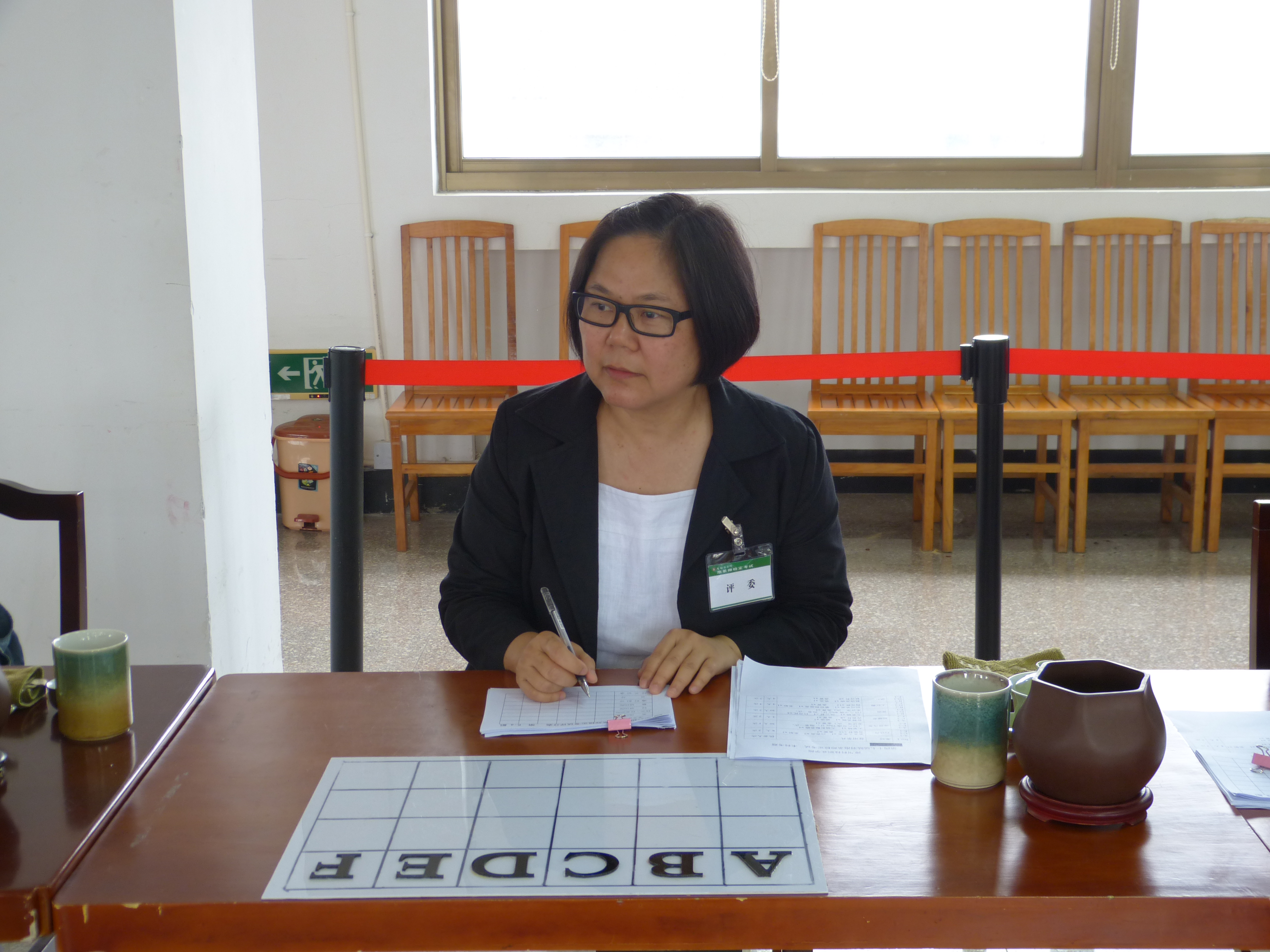
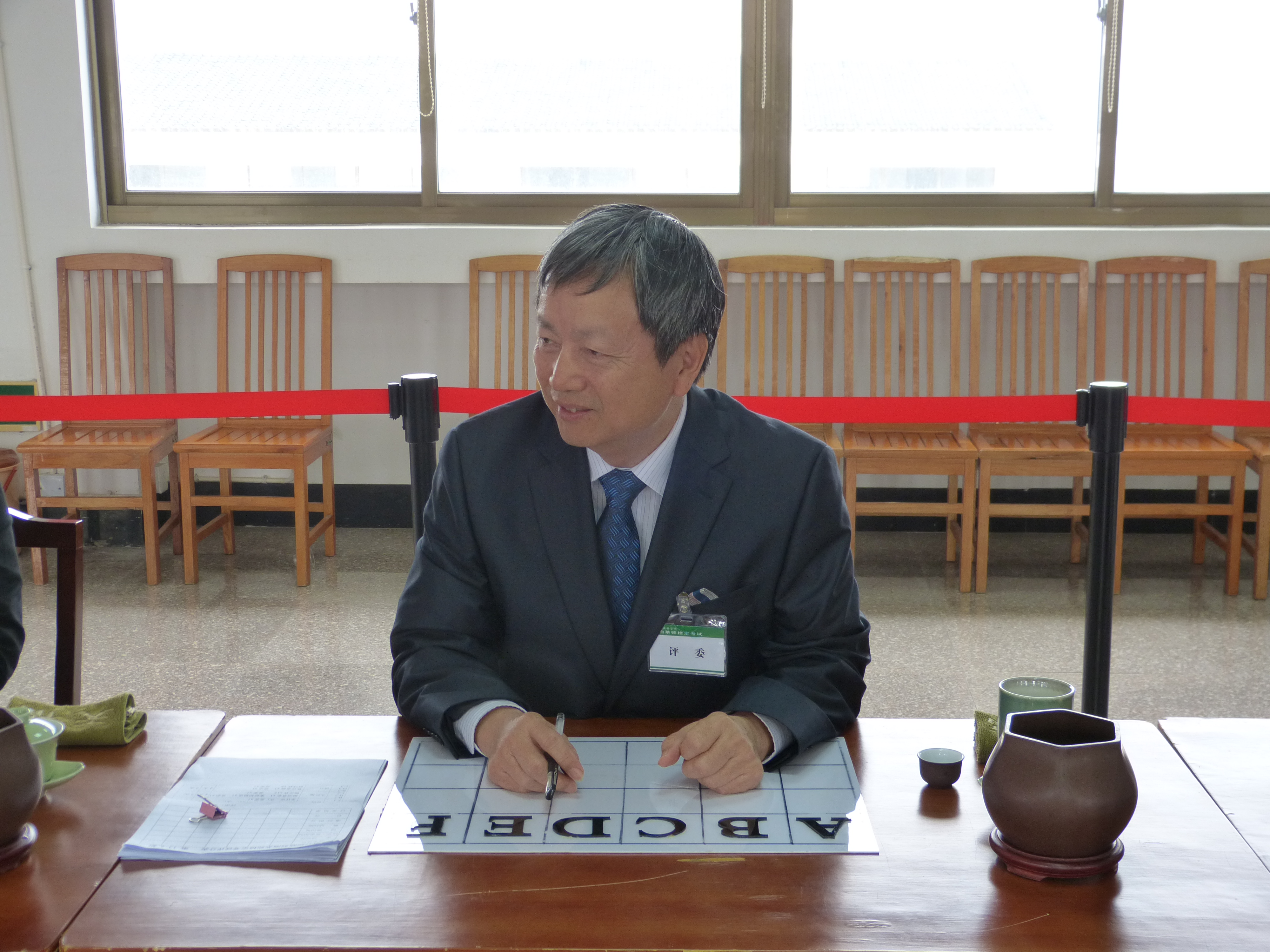
泡茶师检定考试评委许玉莲

泡茶师检定考试评委蔡荣章

泡茶师检定考试2015年漳州科技学院


  (2291)

第四十七届陆羽泡茶师检定考试 – 术科考题

2013.05.07(47-1)

漳州科技职业学院

第四十七届陆羽泡茶师检定考试  术科考题

标示颜色:粉红

No.1 茶叶 使用茶具 供茶人次
A-1

C-1

E-1

白牡丹 茶艺之家壶x1  白瓷盅x2  茶船x1

青瓷杯x16  盖置x2

8人 2次
A-2

C-2

E-2

冻顶乌龙 大茶桶x1  天福彩釉茶碗x4

(以八分满75cc计,泡茶一次,

奉评审一次)盖置x1

30人 1次
A-3

C-3

E-3

碧螺春 春舞盖碗x1  瓷盅x1

青瓷杯x8   盖置x1

4人 2次
B-1

D-1

F-1

普洱 大茶桶x1  风云杯x4  日月托x4

(以八分满40cc计,泡茶一次,

奉评审一次) 盖置x1

30人 2次
B-2

D-2

F-2

大红袍 银河单壶x1  紫砂相思盅x1  茶船x1

梅花杯x12    盖置x1

4人 3次
B-3

D-3

F-3

滇红 秋诗盖碗x1  瓷盅x1

秋诗杯x8    盖置x1

4人 2次


2013.05.07(47-2)

漳州科技职业学院

第四十七届陆羽泡茶师检定考试  术科考题

标示颜色:绿色

No.2 茶叶 使用茶具 供茶人次
A-1

C-1

E-1

大红袍 紫砂风云壶x1  紫砂风云盅x1

梅花杯x8   盖置x1

4人 2次
A-2

C-2

E-2

冻顶乌龙 大茶桶x1  天鹅杯x4  日月托x4

(以八分满30cc计,泡茶一次,

奉评审一次) 盖置x1

40人 2次
A-3

C-3

E-3

铁观音 虎啸风生壶x1 紫砂鸽子盅x2 茶船x1

新标杯x16  盖置x2

8人 2次
B-1

D-1

F-1

凤凰单丛 凤凰单壶x1 紫砂相思盅x1 茶船x1

天鹅杯x12  盖置x1

4人 3次
B-2

D-2

F-2

普洱 大茶桶x1  四喜杯x4

(以八分满80cc计,泡茶一次,

奉评审一次) 盖置x1

30人 1次
B-3

D-3

F-3

滇红 秋诗盖碗x1  瓷盅x1

秋诗杯×8   盖置x1

4人 2次


2013.05.07(47-3)

漳州科技职业学院

第四十七届陆羽泡茶师检定考试  术科考题

标示颜色:蓝色

No.3 茶叶 使用茶具 供茶人次
A-1

C-1

E-1

冻顶乌龙 西施壶x1   鸽子盅x2

新标杯x16  盖置x2 茶船x1

8人 2次
A-2

C-2

E-2

碧螺春 夏韵盖碗x1  瓷盅x1

青瓷杯x8  盖置x1

4人 2次
A-3

C-3

E-3

白牡丹 大茶桶x1   四喜杯x4

(以八分满80cc计,泡茶一次,

奉评审一次) 盖置x1

20人 2次
B-1

D-1

F-1

铁观音 鸽子壶x1   鸽子盅x1

鸽子杯x12  盖置x1  茶船x1

4人 3次
B-2

D-2

F-2

白牡丹 大茶桶x1  天福彩釉茶碗杯x4

(以八分满75cc计,泡茶一次,

奉评审一次)  盖置x1

30人 1次
B-3

D-3

F-3

祁红 秋诗盖碗x1  瓷盅x1

秋诗杯x8  盖置x1

4人 2次


2013.05.07(47-4)

漳州科技职业学院

第四十七届陆羽泡茶师检定考试  术科考题

标示颜色:大红

No.4 茶叶 使用茶具 供茶人次
A-1

C-1

E-1

铁观音 朱泥壶x1  朱泥双喜盅x1

朱泥双喜杯x8   茶船x1  盖置x1

4人 2次
A-2

C-2

E-2

碧螺春 大茶桶x1  天鹅杯x4  日月托x4

(以八分满30cc计, 泡茶一次,

奉评审一次) 盖置x1

40人 2次
A-3

C-3

E-3

肉桂 钟响壶x1   鸽子盅x2

新标杯×16   茶船x1  盖置x2

8人 2次
B-1

D-1

F-1

凤凰单丛 大茶桶x1    四喜杯x4

(以八分满80cc计,泡茶一次,

奉评审一次) 盖置x1

15人 2次
B-2

D-2

F-2

普洱 相思壶x1    相思盅x1

梅花杯×12  盖置x1 茶船x1

4人 3次
B-3

D-3

F-3

龙井 春舞盖碗x1  瓷盅x1

青瓷杯x8      盖置x1

4人 2次


2013.05.07(47-5)

漳州科技职业学院

第四十七届陆羽泡茶师检定考试  术科考题

标示颜色:紫色

No.5 茶叶 使用茶具 供茶人次
A-1

C-1

E-1

肉桂 紫砂大型壶x1   紫砂鸽子盅x2

茶船x1  新标杯x16   盖置x2

8人 2次
A-2

C-2

E-2

滇红 大茶桶x1    冬寂大盖碗x4

(以八分满150cc计,泡茶一次,

奉评审一次)  盖置x1

18人 1次
A-3

C-3

E-3

凤凰单丛 茶仙壶x1  紫砂盅x1

梅花杯x8   盖置x1  茶船x1

4人 2次
B-1

D-1

F-1

铁观音 大茶桶x1   风云杯x4  日月托x4

(以八分满40cc计,泡茶一次,

奉评审一次)  盖置x1

40人 2次
B-2

D-2

F-2

滇红 秋诗盖碗x1   瓷盅x1

秋诗杯×8   盖置x1

4人 2次
B-3

D-3

F-3

大红袍 银河单壶x1  紫砂如意盅x1 茶船x1

梅花杯x12   盖置x1

4人 3次


2013.05.07(47-6)

漳州科技职业学院

第四十七届陆羽泡茶师检定考试  术科考题

标示颜色:粉红

No.6 茶叶 使用茶具 供茶人次
A-1

C-1

E-1

茉莉花茶 大茶桶x1  风云杯x4  日月托x4

(以八分满40cc计,泡茶一次,

奉评审一次) 盖置x1

30人 2次
A-2

C-2

E-2

普洱散茶 银河单壶x1  紫砂相思盅x1  茶船x1

梅花杯x12    盖置x1

4人 3次
A-3

C-3

E-3

白牡丹 秋诗盖碗x1  瓷盅x1

秋诗杯x8    盖置x1

4人 2次
B-1

D-1

F-1

白牡丹 茶艺之家壶x1  白瓷盅x2  茶船x1

青瓷杯x16  盖置x2

8人 2次
B-2

D-2

F-2

普洱散茶 大茶桶x1  天福彩釉茶碗x4

(以八分满75cc计,泡茶一次,

奉评审一次)盖置x1

20人 2次
B-3

D-3

F-3

茉莉花茶 春舞盖碗x1  瓷盅x1

青瓷杯x8   盖置x1

4人 2次

2013.05.07(47-7)

漳州科技职业学院

第四十七届陆羽泡茶师检定考试  术科考题

标示颜色:绿色

No.7 茶叶 使用茶具 供茶人次
A-1

C-1

E-1

凤凰单丛 凤凰单壶x1 紫砂相思盅x1 茶船x1

天鹅杯x12  盖置x1

4人 3次
A-2

C-2

E-2

大红袍 大茶桶x1  四喜杯x4

(以八分满80cc计,泡茶一次,

奉评审一次) 盖置x1

30人 1次
A-3

C-3

E-3

茉莉花茶 春舞盖碗x1  瓷盅x1

青瓷杯×8   盖置x1

4人 2次
B-1

D-1

F-1

大红袍 紫砂风云壶x1  紫砂风云盅x1

梅花杯x8   盖置x1

4人 2次
B-2

D-2

F-2

毛峰 大茶桶x1  天鹅杯x4  日月托x4

(以八分满30cc计,泡茶一次,

奉评审一次)  盖置x1

45人 2次
B-3

D-3

F-3

普洱 新丽人壶x1 紫砂盅x1 茶船x1

新标杯x8  盖置x2

4人 2次


2013.05.07(47-8)

漳州科技职业学院

第四十七届陆羽泡茶师检定考试  术科考题

标示颜色:蓝色

No.8 茶叶 使用茶具 供茶人次
A-1

C-1

E-1

铁观音 鸽子壶x1   鸽子盅x1

鸽子杯x12  盖置x1  茶船x1

4人 3次
A-2

C-2

E-2

龙井 大茶桶x1  天福彩釉茶碗杯x4

(以八分满75cc计,泡茶一次,

奉评审一次) 盖置x1

20人 2次
A-3

C-3

E-3

玫瑰红茶 秋诗盖碗x1  瓷盅x1

秋诗杯x8  盖置x1

4人 2次
B-1

D-1

F-1

肉桂 西施壶x1   鸽子盅x2

新标杯x16  盖置x2 茶船x1

8人 2次
B-2

D-2

F-2

毛峰 夏韵盖碗x1  瓷盅x1

青瓷杯x8  盖置x1

4人 2次
B-3

D-3

F-3

祁红 大茶桶x1   四喜杯x4

(以八分满80cc计,泡茶一次,

奉评审一次) 盖置x1

30人 1次


2013.05.07(47-9)


漳州科技职业学院

第四十七届陆羽泡茶师检定考试  术科考题

标示颜色:大红

No.9 茶叶 使用茶具 供茶人次
A-1

C-1

E-1

肉桂 大茶桶x1    四喜杯x4

(以八分满80cc计,泡茶一次,

奉评审一次) 盖置x1

30人 1次
A-2

C-2

E-2

冻顶乌龙 相思壶x1    相思盅x1

梅花杯×12  盖置x1 茶船x1

4人 3次
A-3

C-3

E-3

龙井 春舞盖碗x1  瓷盅x1

青瓷杯x8      盖置x1

4人 2次
B-1

D-1

F-1

大红袍 朱泥壶x1  朱泥双喜盅x1

朱泥双喜杯x8   茶船x1  盖置x1

4人 2次
B-2

D-2

F-2

白牡丹 大茶桶x1  天鹅杯x4  日月托x4

(以八分满30cc计, 泡茶一次,

奉评审一次) 盖置x1

45人 2次
B-3

D-3

F-3

铁观音 钟响壶x1   鸽子盅x2

新标杯×16   茶船x1  盖置x2

8人 2次


2013.05.07(47-10)

漳州科技职业学院

第四十七届陆羽泡茶师检定考试  术科考题

标示颜色:紫色

No.10 茶叶 使用茶具 供茶人次
A-1

C-1

E-1

凤凰单丛 大茶桶x1   风云杯x4  日月托x4

(以八分满40cc计,泡茶一次,

奉评审一次) 盖置x1

30人 2次
A-2

C-2

E-2

玫瑰红茶 秋诗盖碗x1   瓷盅x1

秋诗杯×8   盖置x1

4人 2次
A-3

C-3

E-3

冻顶乌龙 银河单壶x1  紫砂如意盅x1 茶船x1

梅花杯x12   盖置x1

4人 3次
B-1

D-1

F-1

肉桂 紫砂大型壶x1   紫砂鸽子盅x2

茶船x1  新标杯x16   盖置x2

8人 2次
B-2

D-2

F-2

茉莉花茶 大茶桶x1    冬寂大盖碗x4

(以八分满150cc计,泡茶一次,

奉评审一次)  盖置x1

18人 1次
B-3

D-3

F-3

普洱 茶仙壶x1  紫砂盅x1

梅花杯x8   盖置x1  茶船x1

4人 2次


2013.05.07(47-11)

漳州科技职业学院

第四十七届陆羽泡茶师检定考试  术科考题

标示颜色:粉红

No.11 茶叶 使用茶具 供茶人次
A-1

C-1

E-1

毛峰 春舞盖碗x1  瓷盅x1

青瓷杯x8   盖置x1

4人 2次
A-2

C-2

E-2

玫瑰红茶 大茶桶x1  天福彩釉茶碗x4

(以八分满75cc计,泡茶一次,

奉评审一次)盖置x1

30人 1次
A-3

C-3

E-3

白牡丹 茶艺之家壶x1  白瓷盅x2  茶船x1

青瓷杯x16  盖置x2

8人 2次
B-1

D-1

F-1

大红袍 大茶桶x1  风云杯x4  日月托x4

(以八分满40cc计,泡茶一次,

奉评审一次)  盖置x1

30人 2次
B-2

D-2

F-2

祁红 秋诗盖碗x1  瓷盅x1

秋诗杯x8    盖置x1

4人 2次
B-3

D-3

F-3

普洱 银河单壶x1  紫砂相思盅x1  茶船x1

梅花杯x12    盖置x1

4人 3次

2013.05.07(47-12)

漳州科技职业学院

第四十七届陆羽泡茶师检定考试  术科考题

标示颜色:绿色

No.12 茶叶 使用茶具 供茶人次
A-1

C-1

E-1

肉桂 西施壶x1   鸽子盅x2

新标杯x16  盖置x2 茶船x1

8人 2次
A-2

C-2

E-2

玫瑰红茶 大茶桶x1   四喜杯x4

(以八分满80cc计,泡茶一次,

奉评审一次) 盖置x1

30人 1次
A-3

C-3

E-3

龙井 夏韵盖碗x1  瓷盅x1

青瓷杯x8  盖置x1

4人 2次
B-1

D-1

F-1

铁观音 大茶桶x1  天福彩釉茶碗杯x4

(以八分满75cc计,泡茶一次,

奉评审一次)  盖置x1

30人 1次
B-2

D-2

F-2

大红袍 鸽子壶x1   鸽子盅x1

鸽子杯x12  盖置x1  茶船x1

4人 3次
B-3

D-3

F-3

玫瑰红茶 秋诗盖碗x1  瓷盅x1

秋诗杯x8  盖置x1

4人 2次


漳州科技职业学院

第四十七届陆羽泡茶师检定考试  术科考题

标示颜色:绿色

No.12 茶叶 使用茶具 供茶人次
G-1


祁红 茶仙壶x1  紫砂盅x1

梅花杯x8   盖置x1  茶船x1

4人 2次
G-2


凤凰单从 大茶桶x1    冬寂大盖碗x4

(以八分满150cc计,泡茶一次,

奉评审一次) 盖置x1

18人 1次
G-3


冻顶乌龙 紫砂大型壶x1   紫砂鸽子盅x2

茶船x1  新标杯x16   盖置x2

8人 2次


2013.05.07(47-13)

漳州科技职业学院

第四十七届陆羽泡茶师检定考试  术科考题

标示颜色:蓝色

No.13 茶叶 使用茶具 供茶人次
A-1

C-1

E-1

凤凰单丛 钟响壶x1   鸽子盅x2

新标杯×16   茶船x1  盖置x2

8人 2次
A-2

C-2

E-2

滇红 大茶桶x1  天鹅杯x4  日月托x4

(以八分满30cc计, 泡茶一次,

奉评审一次) 盖置x1

40人 2次
A-3

C-3

E-3

铁观音 朱泥壶x1  朱泥双喜盅x1

朱泥双喜杯x8   茶船x1  盖置x1

4人 2次
B-1

D-1

F-1

茉莉花茶 大茶桶x1    四喜杯x4

(以八分满80cc计,泡茶一次,

奉评审一次)  盖置x1

30人 1次
B-2

D-2

F-2

白牡丹 春舞盖碗x1  瓷盅x1

青瓷杯x8      盖置x1

4人 2次
B-3

D-3

F-3

祁红 相思壶x1    相思盅x1

梅花杯×12  盖置x1 茶船x1

4人 3次

2013.05.07(47-13)


漳州科技职业学院

第四十七届陆羽泡茶师检定考试  术科考题

标示颜色:蓝色

No.13 茶叶 使用茶具 供茶人次
G-1


白牡丹 大茶桶x1   风云杯x4  日月托x4

(以八分满40cc计,泡茶一次,

奉评审一次)  盖置x1

30人 2次
G-2


肉桂 银河单壶x1  紫砂如意盅x1 茶船x1

梅花杯x12   盖置x1

4人 3次
G-3


茉莉花茶 秋诗盖碗x1   瓷盅x1

秋诗杯×8   盖置x1

4人 2次

  (3804)

如何引导大家重视茶汤-20130501周三小方块-蔡荣章

如何引导大家重视茶汤

蔡荣章

20130501周三小方块WEDNESDAY TEA CORNER

「我们知道茶汤是茶道的核心,为什么茶事活动时少人提到茶汤?」

「我愿听其详。」

「学校或社会上的茶道教室,上泡茶技艺课时,老师都只要求每一个动作应该怎么做,稍微有点误差都会被责骂,好像这才是茶道最重要的部分。茶汤谈论得不多。」

「是应该告诉同学每一个动作都是为了泡好这壶茶。如将茶荷调整方向再传递给茶友赏茶,是为了不让茶叶从荷口掉落下来。向壶内冲满水后要先放下热水壶、盖上盖子,然后按下计时器,是为了统一自己计算茶叶浸泡时间的习惯,否则一次从冲过水后开始计时,一次从盖上壶盖后开始计時,无法正确判断时间的长短。倒茶时要将茶汤滴干,是为了更好掌控下一道茶汤的浓度。如此将每一个泡茶动作的目的指向茶汤,自然会令学茶者意识到茶汤的重要。」

「泡茶练习时老师屡次纠正我们的动作而不喝我们的茶汤,仅有的二个学期都快过完了还是如此,这不得不让我们从潜意识里认为茶道的重心在动作。」

「这确是造成错误印象的原因之一。」

「我们到外面参加茶文化活动,有人质疑我们将重点放在茶汤。他们说茶汤在整个茶道表演(他们认为是在看表演)过程中只占小小的一部分,而且一喝便了,何劳那么小题大做。他们又说,浓一点淡一点不都也是茶,而且使用不同的温度还可以喝到不同的风味,为什么规定怎样的茶要用怎样的水温。再说,我们那么多人来看茶道表演,又有几个人喝到茶汤,我们怎么体会茶汤的艺术性,因此只好看看表演罢了。」

「你说到重点了,大家喝不到茶汤当然就把目标放在看表演的人、看泡茶人的肢体表现、看茶席的布置、看插花、看香道表演、看舞台的设计。茶道艺术展演的时候要让每一位与会者喝到茶汤,即使台上的泡茶师无法供应那么多茶,其他参与展演的人也要在台下提供,而且是提供与台上同样种类同样质量的茶。唯有如此才能将茶道的重心移到茶汤上。」

「杯子太小,汤量太少是不是也引不起大家的注意?」

「没有错,太少的汤量是不容易引起大家的注意,尤其在人多的场合。30cc以内的汤量较适合供应多次的小型茶会,只能供应一二次茶汤的茶会,每次要供应50cc以上。使用的杯子也很重要,质量不好的一次性杯子很难令人重视茶汤的重要性,既然设定为茶道艺术的活动,就应该使用优质的杯子。宁可管制与会人员、管控杯子,让每人有个好杯子使用,也胜于一大伙儿人进场得不到介绍茶道艺术的效果。」

  (1855)

泡茶师要坐着还是站着泡茶-20130429周一喝茶慢-许玉莲

泡茶师要坐着还是站着泡茶

许玉莲

20130429周一喝茶慢MONDAY SLOW TEA

我们这里指售卖茶汤,泡茶师一人掌席完成整个作品的呈献,不设助手、不离桌奉茶的品茗会,泡茶师要坐着还是站着泡茶?四位客人的小茶桌(约3尺长 x 1.5尺宽),即泡茶师两手伸长可及的范围之内短兵相接,不妨坐着泡茶奉茶,客人少、用具少而集中,泡茶师与客人接触的手势、眼神与波动的辐射范围也相对小,坐着绰绰有余了。

坐时要怎么坐?双脚必须平踏在地面,不要翘腿或任何其他姿势,掌席泡茶品茗是一项需要大量体力与不能分神的工作,有时单手需要提拿二千毫升的热水,故首先需要稳住下盘,上盘尤其左右双手运作时才不会顾此失彼。

五至十二人的茶桌(约8尺长 x 2.5尺宽),泡茶师要站着才能操作自如。多人的茶席,杯子杯托加多,食用茶食时也需要更多地方,整个茶席将需要调度,扩展桌面使用面积才够应付的,泡茶师这时站着将可以更从容进行工作,如把温杯的水倒掉、奉茶、添茶、上茶食等程序,站着的话整个人拥有伸展、转身余地,动作利落一些,不必勉强把手伸得长长,甚或因为上半身紧贴茶席而发生衣袖或衣服的前幅翻倒茶具的情形,也不会因为手势伸展动作的不顺畅,或上上下下起身拉椅子推椅子的不安而干扰客人的安静。

还有,就是站着掌席奉茶时不会被一边的煮水器挡着。很多煮水器身高达一尺多,除了造成奉茶不便,同时产生烫热感与危险。考虑到这个,煮水器若要置放茶席上,该位置应挖空给它降低才放加热器,席上就只是被看见放热水壶而已即安全许多。若不,煮水器应离开茶席,放在泡茶师身边一个矮架子即可。

站着掌席更重要的原因,是为了让泡茶师更加有优势创造一个能量更大的气场,泡茶师的视线可以远一些,波动辐射长一些,这样子才能关照全场人们的需要,协助人们与茶、器物和环境相处,他所想、所看、所做、所说、所泡出之茶汤才能波及十二人,达到冲击与感动作用,大家接受到这种传达的能量,就知道要跟着泡茶师的节奏,把心思收在茶席上,放在手上那杯茶汤上。

许玉莲

  (2167)

水的欣赏-20130417周三小方块-蔡荣章

水的欣赏

蔡荣章

20130417周三小方块WEDNESDAY TEA CORNER

泡茶的人最会欣赏水了,为了泡茶不远千里去提水、去赏水,除了生饮之外还讲究要用什么壶具煮水、用什么燃料煮水、用什么杯子饮水。知水者在泡茶之外,还会脫离泡茶而与水直接对话,这时的水是不必煮开就欣赏的,好的水、新鲜的水、知水者找到的水是干净的、无菌的,生饮更能享受水的甘美与原味。纯水(仅由氢2氧1组合而成)是空无一味的, 刚才所说的好水是微带矿物质(如100ppm以下) 、无他气污染, 喝来是甘美的。这甘美是清淨无味中体会到的味道,不像纯水那么空荡荡。

用上述的好水泡茶,可以让茶内的成分(含香气)自由地溶出,纯水的溶出效果反而没有那么好,矿物质或杂气含量太多的水(如300ppm以上),会干扰茶的味道与溶出(如铁质太多,茶汤会变黑)。至于好水泡茶,茶内的成分如何自由地溶出,要看水温、茶水比例、壶质等的掌握,好的茶汤要汤内的成分依所希望的比例组配,若咖啡因含量太多会显得太苦、茶多酚的比例太重会显得太涩。

以上对水的欣赏是将水捧在手心、含在嘴里的,还有另一种对水的欣赏是遥望。一潭水很秀丽,一湖水很平静,一线从天而下的瀑布很壮观,汪洋中的狂风巨浪很雄伟,都属于遥望。前者欣赏水的内质,是水的亲人、知己,后者欣赏水的外在表现,是水的朋友、观众,都还是直接面对水的本身,都是对水的直接欣赏。另一种遥望式的欣赏是欣赏池子里的游魚,观赏月夜湖面的光影,坐在小船上看着流水感歎逝者如斯不舍昼夜,这些都不是对水的直接欣赏,甚至于忽略掉水的存在。

茶屋的庭园里很少设魚池,甚至于不用假山瀑布,茶人们喜欢潺潺的水声,喜欢用石头凿出手水钵来洗手淨心,喜欢将水洒在树上来感受它的清凉,喜欢把水拿来饮用与泡茶,茶人是水的亲人水的知己。

  (2100)