Tag Archives: 茶人

我与茶如此相伴-20130710周三小方块-蔡荣章


我与茶如此相伴

蔡荣章

20130710周三小方块WEDNESDAY TEA CORNER

我小心翼翼把茶从茶罐拨入茶荷, 为着端详它的长相, 看它色泽从绿到红的变化, 期了解它被发酵了多少? 看它老嫩的程度知道它是在成长中还是长熟后被采摘下来的?一次被采摘了多少叶片?从它皮肤的皱褶度知道它被折磨的程度(即揉捻的轻重), 从它皮肤的褐变程度知道了它在炭火中被烘烤到了多高的温度。我还可以从它身躯的完整度知道它被外力破坏的程度(外形完整度),还可以从它的体态知道它是大叶树种还是小叶树种。我还可以从它散发出来的气息与光泽知道它曾闭关修炼了多少岁月(即陈放的年份)。我要享用它的香气与滋味, 我要欣赏它从茶干第二生命周期进入到茶汤第三生命周期的奥妙(第一生命周期是茶树阶段), 我必须深入了解它。

我不会拿着茶罐将茶倒入荷内,也不会在倒不出来的时候用抖动或敲击茶罐的方式使茶叶掉落。我不会撕开小包装袋直接将茶倒入壶内, 也不会用这个方式将茶倒入茶荷, 这种做法与手持渣匙的另一端将茶从茶罐中拨入茶荷, 再持茶荷将茶置入壶中是不一样的。在拿到铝箔袋包装茶时, 我会先将茶倒入泡茶时专用的茶罐, 当拿到行销时使用的罐装茶, 我也会先行打开, 将适当的份量置入泡茶专用的茶罐。如果行销时使用的罐子已足以作为泡茶时的茶罐, 我也会将外包装取下, 罐内的茶叶不再有另一层包装袋, 这样的事前准备让我在冲泡茶叶的时候能很顺畅地将茶叶请出茶荷, 供享用它的茶友欣赏, 并将之置入壶內冲泡。

如果是紧压茶(如茶饼、沱茶), 我会事先用手将它剥散,置入泡茶专用的茶罐內。剥离的程度尽量接近散茶,碎茶结成的小块就不特意剥散它了。剥散是一层层地剥离, 用手亲切地剥, 除非剥不动才假以工具。剥茶时、拨茶入荷时、置茶入壶时,难免有茶叶掉落桌面, 我会用手拾起, 或放入茶罐、或放入茶荷、或放入茶壶, 泡茶席的桌面是干净的、泡茶的手是干净的。

  (1980)

無我茶會Sans Self Tea Gathering(Wu-Wo Tea Ceremony)-Chapter 9 Problem Solving for Sans Self Tea Gathering-蔡荣章Rong-tsang Tsai

《無我茶會Sans Self Tea Gathering (Wu-Wo Tea Ceremony)180條》

蔡荣章著Author:Rong-tsang Tsai

ISBN 978-957-9690-08-9,“无我茶会Sans Self Tea Gathering(Wu-Wo Tea Ceremony) 180” ,First edition: 1999.9, Second edition: 2010.9.《无我茶会180条》,1999.9第一版,2010.9第二版.台北陆羽茶艺股份有限公司.2012.05.20修订版.-English Translator : Katherine Yip,英语翻译:叶德明.

Chapter 9  Problem Solving for Sans Self Tea Gathering(Wu-Wo Tea Ceremony)

128 How do we remedy the situation if an error occurs when tea is served?

Each participant is expected to know all the rules of a Sans Self Tea Gathering by heart. But errors do occur. Rectify the situation where possible if this does not disrupt the progress of the tea gathering. Leave it the way it is if you are not sure how to set it right, or if doing so will undermine the event flow. For example, your fellow participant has misplaced the cup served to you. All you need to do is to gesture him to move the cup back to the right position. This is considered a correctable error. However, if the person has mixed up the person to be served, which is hard to set right without disturbing the progress, then just let it be and consider this an uncorrectable error.

129. What if you are served one cup less?

You may start drinking when you have returned to your place after serving the others, and when your fellow participants have finished serving tea to you. However, if you have waited for an extended period, and there is yet one cup to be filled, then you may want to start drinking to avoid lagging behind. Sometimes, the other party may have taken too much time serving, or he may have simply made a mistake. It is more important to keep pace with the progress.

130. What if I can’t finish pouring the tea I have brewed and there is some left behind?

The amount of water for each brew is determined by the number and size of the cups you have brought along (as well as the ones provided by the organizer for serving onlookers). Calculation has to be done beforehand to ensure there is no surplus or shortage of tea. If the amount of water falls short, or the teapot is too small, then pour a little less tea into each cup. Conversely, if there is too much tea and can’t be finished in one round, then keep it till the next. If there is still some left behind at the end of the last round, just take it yourself.

Some people prefer to bring this surplus infusion home in the thermal flask; the problem is, it is hard to eliminate the smell of tea afterwards.  Some people may keep this surplus infusion in the upturned cap of the thermal flask, and pour it away when the tea gathering ends; others may even pour the infusion away there and then if the gathering is held in the countryside.  None of these ways are advisable; the fact that you have made an effort to brew well makes the infusion ‘precious’.  Discarding it would go against the intention to serve the best brew possible. Just bear in mind that controlling the amount of tea infusion and brew well is very important; should there be any infusion left behind, the best way is to take it yourself.

131. If the tea infusion is too difficult to stomach, what should I do?

When the tea is described as ‘difficult to stomach’, it probably means that the tea is too strong for the palate.  If this is the case, and the infusion is bearably strong, just drink it. You may also dilute it with some water if you worry that you body may not be able to take it because of the concentrated strength.  If the cup is filled to the brim, you may pour half of the infusion into a cup you have finished drinking from and add water to the infusion.

Such a cup of tea reminds us that we should make it a point to brew well and spare the others of the frustration. In any  case, if you have made an effort to bring along the tea, tea ware and hot water for brewing and serving, but come up with a brew that is ‘too difficult to stomach’, it will be a disgrace to not only you but also the tea.

132. If I attend the tea gathering but am not able to take tea on the day, what should I do?

This is rare and very unlikely. Having said that, there may be people who ‘are not tea drinkers but enjoy such an activity’; or, someone may not want to take tea at this juncture out of health considerations. If this is the case, fill each cup with hot water after taking the first brew.  This sends the signal to fellow participants that you would not be taking any more tea. If you are not able to take even the first brew, just leave the cups of tea as they are at the original spots. When it time to wipe the cups after the last brew, pour the tea infusion in each cup into the upturned cap of the thermal flask and discard it when the tea gathering is over.

Sans Self Tea Gathering is an activity of tea aficionados that promotes the Way of Tea. A ‘love of tea’ is essential in nurturing an enjoyment of this ‘activity’. If one enjoys the ‘activity’ but lacks a ‘love of tea’, he will be taking away the aura of ‘nothingness’ that makes a Sans Self Tea Gathering so special.


133. What should I do if the previous cup served has not been taken when I am about to serve the second brew?

When you serve with the ‘pitcher’ (or ‘spouted tea bowl’ for powdered tea) after finishing brewing for a second round, you discover that the first cup you served has not been taken. What should you do? At this juncture, observe and decide if the person has yet to do so, or he does not want to take it anymore.  If he is about to finish the cup when you show up, you may wait for a little while. If he does not want to drink, then there is no need to offer tea to him.  Consider health condition rather than the quality of the brew as the primary reason for his declining the offer.

The situation would have been handled differently if we are serving tea at home. Teachers of the Way of Tea would advise us to ask, “Would you like a cup of freshly-brewed tea?” If your guest agrees to this, pour away the tea which has become cold into the crucible, and refill the cup with some fresh brew. As the spirit and act of ‘frugality’ is embraced by the Sans Self Tea Gatherings, such follow-up offers are not promoted.

134. What if there is still tea infusion in the cup when I come to collect it?

A Sans Self Tea Gathering could be organized in honour of a dedicated person or occasion known as ‘an identified target’, to whom or to which the first cup of the first brew would be offered. One can drink the tea after collecting the cup if the infusion remains not taken at the end of the gathering. For Sans Self Tea Gatherings in general, however, any infusion not taken is considered the responsibility of the person to whom the tea is offered, in the sense that he is the one to clear the teacup of any content even if the tea infusion, for some reasons (such as the brew is too difficult to stomach, too much to finish or being left there out of oversight), remains in the cup when it is time for cup collection. What if the other party has overlooked this rule of a Sans Self Tea Gathering when you turn up to collect the cup? Just take your cup back and pour the infusion into the upturned cap of the thermal flask, and discard it after you have packed the tea ware (you may also pour it away at a suitable spot if the tea gathering is held in the countryside). It pays to find out if it has something to do with poor brewing or other reasons.

135. Is there anything I can do if the tea is not brewed to perfection?

Brewing a good pot of tea is a must for anyone serious about tea. Do the necessary if you notice that the tea infusion is either too strong or too weak before you serve – if the infusion is too weak, you may pour it back into the pot and steep a little longer; if the infusion is too strong, you may add some hot water to the infusion. If the infusion is far too strong and you want to dilute it but the tea pitcher is already full, you may pour a cup first and keep it for yourself. Take others’ tea first, pour half of the strong infusion into one of the emptied cups and add water to dilute.

If you are not sure whether the infusion is too weak or too strong when you pour the tea, you may pour some into your own cup first and try it to make sure it is of the desired strength.

136. If I don’t have enough water for brewing, or there is clearly too little tea infusion, what should I do?

Both scenarios may be attributed to inadequate preparation, or an unexpected increase of cups to be offered to onlookers. When you notice that there is not enough water for brewing during the last round, and there is no supply of hot water on site, you may gently ask the neighbours on your left and right if they have some to spare. If you have finished brewing and discover that there is a lot less infusion than you intend to serve, and the shortage could not be made up by simply having less infusion for each cup, you may need to brew one more time; the amount water would have to be adjusted according to what is needed. In this case, the two rounds of brewing would combine to make one brew.

137. May I offer a cup to my neighbour in the opposite direction?

In the event that there is still some infusion left in the pitcher after serving, you want to know if you could pour some tea into an emptied cup of your neighbour whom you want to get acquainted with but in the opposite direction (for instance, the neighbour to your right, if it is agreed to serve fellow participants to your left).  By the same token, you want to know whether you could offer a cup to a senior some distance away whom you want to introduce yourself to. The answer is ‘no’, given the fact that each activity has its own rules and restrictions instrumental to its success.

138. Concerns about hygiene for teacups

Each participant of Sans Self Tea Gathering brings along his own tealeaves and tea ware.  At the gathering, everyone brews, and takes tea brewed and offered in teacups by fellow participants. This has prompted some doubt about hygiene. Some people have come up with ideas about alternative arrangement. They suggest that one’s teacups be placed at one’s own ‘tea serving area’, and fellow participants pour tea into the teacups using tea pitchers (or spouted tea bowls). While this may allay worries about ‘the cleanliness of others’ teacups’; it will nonetheless create unnecessary distance among participants which should not be the case.  Come to think about it, human interaction is not as clinically hygienic as we imagine it to be – we shake hands with each other and we hug each other ever so often. What Sans Self Tea Gathering advocates is a natural and truthful flow of feeling among individuals; and hence the particular way of tea serving. Having said that, we should make sure the cups, tea ware, our hands and body are clean before attending the tea gathering.  Equally important are quality tealeaves and clean water for brewing.  At the tea gathering, we use the best of our knowledge and skill in brewing a good pot.  Not to be forgotten is a pleasant disposition and positive mindset to make you a great person to be with.

139. Could we find out the name of the tea we are served? And utter some words of praise if appropriate?

Sans Self Tea Gathering is to proceed in silence and no one should speak. As such, you should not try to find out what kind of tealeaves it is when you are enjoying the tea. But it would be hard to have the question hovering in your mind throughout the event, wouldn’t it? This is why you should focus on the brew without bothering about its name.  Likewise, when we offer tea to, say, the first, third and fifth fellow participants to our left, we do not need to know their names. We do not need to know the name of the mountain to appreciate its grandeur, nor the name of the cloud to appreciate its ethereal beauty. But if you just happen to know that the cup of tea was brewed by a certain participant, it is acceptable for you approach him after the tea gathering and find out more about his brew. Furthermore, if the brew is a very good one, it is perfectly fine to let the person know by way of praising. Tea drinking will become a chore if you keep bothering yourself about the name of the brew and its respective brewer, or reminding yourself how poor the brew is.

140. After offering the last brew, would it be possible for me to approach the tea guru I revere for his brew?

There were past incidents where participants went up to meet a certain tea guru after offering the last brew.  It might have started with just one participant, but before long, others followed suit until the crowd disrupted the procedure of the rest of the tea gathering. This was brought up during the post-event review, and it was felt that such disruption should be stopped. It is understood that the opportunities to get up close and personal with famed tea gurus may be difficult to come by; but this is best done during the ‘tea ware appreciation and networking’ session, or the ‘post-event activities’. One should bear in mind that in this case, reverence shown to some could be the cause of suffering, inconvenience and unpleasant experience of the others. This is certainly what tea aficionados would not want to happen.


141. Is it fine to exchange tea ware with fellow participants at the end of the tea gathering?

At the end of the Sans Self Tea Gatherings held over the past few years, some participants were seen exchanging tea ware as mementoes. At the beginning of the post-event review session, some people thought this was quite meaningful, especially for tea gatherings with international participants. As the discussion progressed, there were more and more opposing voices — they worried that if this becomes a trend, participants would have to make great mental effort in choosing the tea ware in case they need to exchange it with fellow participants.  While tea ware which has long been in one’s possession may not be highly-priced physically, it could have great emotional value, and the possibility of parting with it during a tea gathering could put one in distress. With this in mind, it is agreed that there should not be any exchange of tea ware during a Sans Self Tea Gathering.

142. Is it permissible to ask a few friends to stay back for more brews when the tea gathering is over?

Seating arrangement of a Sans Self Tea Gathering is decided by random drawing. As a result, friends and old acquaintances may not be sitting next to each other. Some of them tend to stay back after the tea gathering and continue to make more tea together.  This may create the impression that they only enjoy each other’s company and were forced to offer tea to other participants just now.

It is natural that people sit with their friends if not for seating arrangement by random drawing; for international events, people from the same country or region will certainly frock together. And yet, this would not have any contribution to the spirit of a Sans Self Tea Gathering. The tea gathering may be a picture of harmony free from national divides, ideological differences and personal relationship; but the small circles emerged after the event would surely defeat the purpose of a tea gathering that is supposed to be ‘san self’. Considering this, the organizer would not approve of any self-formed groups staying behind for more brews.

143. Is beverage other than tea allowed during Sans Self Tea Gatherings?

A ‘Sans Self Tea Gathering’ is the expression of the unique characteristics of ‘tea’ in the form of a tea gathering.  It is certainly not an occasion that picks ‘tea’ as the beverage of choice. To fully appreciate the spirit of a ‘Sans Self Tea Gathering’, the ‘love of tea’ is imperative.  It will be superficial and manipulative if one adopts its format and rules without the tea.

As such, non-tea beverage is not advisable. However, there is no restriction as to the type of tea used, and whether it is flavoured or floral-scented.

  (1982)

茶道艺术家精炼功夫 三.报到时的准备-20130708周一喝茶慢-许玉莲

茶道艺术家精炼功夫

.报到时的准备

许玉莲

20120708周一喝茶慢MONDAY SLOW TEA

「茶汤作品欣赏会」注重纯品茗的效果,纯品茗的环境要空气流通洁净,四周不要有过分杂乱的色彩与挂饰,不要多余的声响,不要有闲杂物品,而且这段时间要特别空出来不再处理其他事务,就是为茶而来,专心在茶上的。

泡茶师或主办方要为这些目的作出准备,而且需将这些与品茗者说清楚,还要为品茗者抵达茶会现场后可能会碰到的难题一一提供解说与服务,让品茗者感觉心安理得,品茗者才不会怯场,最后大家才会产生默契,如何使品茗者在陌生环境里处之泰然,泡茶师要不厌其烦的为对方着想做好种种安排。

「茶汤作品欣赏会」要采取「闭门」方式进行,所谓「闭门」即整个茶会环境(如第一段所述)为茶而设置,故要有场内、场外之分,此举让大家在场内可更投入。场外要有报到处,品茗者可提早十五、二十分钟到场,此处负责事务有:

一.接待-品茗者抵达后可在这里歇息、问候。寒暄完毕就要收拾心情进场品茗,进场后便不需要很多语言。

二.接受讯问-品茗者对如何入座、茶会进序等情况可能有不清楚的地方,可给予说明。因为「茶汤作品欣赏会」的举办形式属于茶道新兴方向,有必要安排工作人员在报到处做之前解说引导。

三.存放私人物品-如果属于家庭、公司等小型邀请式的茶会,有能力的话都要预备衣帽间帮忙品茗者收放外套、提袋、手机等物品。因为品茗者坐下来后如果怀里抱着一堆提袋、外套等,活动能力会降低,进行品茗没那么方便。但如果属于大型公开售票式的茶会,要处理这么多私人物品并不容易,不设衣帽间了,「茶汤作品欣赏会」的活动一旦普遍后,品茗者就渐渐知道不适宜带太多物品入场。

四. 提醒-工作人员要提醒品茗者不要带水和食物进场、手机要关掉或灭音、不可拍照(或可允许拍照,但限制于开场十分钟而已,并且拍照不可用闪光灯、照相机需灭音等)、不可录影。

五.衣装预备-「茶汤作品欣赏会」需要有「衣着规定」,大家可根据该次茶会的隆重和正式程度的规范来着装出席,这样大家处在同一种氛围才不会引起尴尬和不快。故报到处需要准备几件干净、正式上衣(男、女装都要),以备穿得不符合现场所需的品茗者借穿。不要因为品茗者的衣着「不符合规定」而拒绝他入场,应提早未雨绸缪为不及预备的人预备。

六.洗手间-附近要有洗手间以方便品茗者。

七.如果是次茶会采取席地而坐方式,要提早告知品茗者,品茗者便可安排适合席地而坐的衣装,比如需要较宽松的长裤,女士穿裙子需留意长度,坐下来要将两脚完全遮盖。如果该场合要脱掉鞋子,提早通知品茗者带一双干净的袜子来替换。报到处要预备一些新袜子给忘记带的人。


  (1937)

茶道艺术家精炼功夫二.「茶汤作品欣赏会」进行时的迟到者-20130701周一喝茶慢-许玉莲

茶道艺术家精炼功夫

.茶汤作品欣赏会进行时的迟到者

许玉莲

20130701周一喝茶慢MONDAY SLOW TEA

「茶汤作品欣赏会」是采取售票方式或发邀请柬给特定人士、之前已经预算好人数、在一定的时间才举办的发表会,唯一之目的是进行茶汤创作和赏用。关于规定时间,习惯了采用流水席方式泡茶喝茶的人们,对这种安排觉得有约束、不够自在。习惯了根深蒂固「客来奉茶」的人们会很不是滋味,认为泡茶师实在不懂礼仪,怎么了奉茶还要规定时间。 泡茶师不能只顾自己埋头苦恼泡茶就好,不理人们的感受,我们要协助大家度过这个「需要预约、守时」的难关。

要提早告知大家这种欣赏会是有安排时间的,票根或邀请柬上须写清楚茶会从什么时候开始又什么时候结束。如果是邀请的,邀请柬应该还要附上一联络方式,请临时未克出席的客人提早让我们知道。茶会举行的前一天,主办方或泡茶师最好再联络各受邀品茗者一次确认他们是否能够出席。

无论售票或邀请方式,时间到了就必须如期开场,如果茶席还有空位未被入坐,表示品茗者迟到或将缺席,泡茶师不可因此失去信心而慌了手脚,应如常的开始「茶汤作品」之创作,空座位不必撤走,留在原地,多出来的茶杯可收入备用柜子。

「茶汤作品欣赏会」已经开始进行中,我们要如何接待迟到的品茗者呢?可在入口处摆放一些椅子,让迟到者坐着休息。迟到者不宜抵达现场了随时就要入席,那会骚扰大家,大家也许在赏香也许在回味。要等到某个段落终结了,接待员才将他带入座位,并且以不惊动席上任何人为原则。什么时候才是适当时刻?比如本次「茶汤作品欣赏会」有三场,每场冲泡三道茶,于第一场每一道茶欣赏完毕、泡茶师预备要泡下一道茶之前都是迟到者适合进场的时候。如果有人在第一场完毕之后也无出现,我们就可当作缺席或废票,第二场开始前可将多出位子移走调整到对的数目,第二场已经进行中才抵达的人,可不招待入席了(票根上可标示这一点)。

迟到者入席时与泡茶师静静鞠躬示意,与左邻右舍静静微笑招呼,轻轻拉开椅子坐下即好,不必有语言寒暄,接待员可在入席之前提醒迟到者怎么做。泡茶师或点头或微笑施礼,就可继续进行下一道「茶汤作品创作」。

如果迟到者入席后肆无忌惮的高谈阔论,席中长辈或有经验者可提示他不宜过多语言。如果有人继续不顾及茶会中的安静,也不与泡茶师打招呼,对泡茶师的创作也没有给予重视和专注,这时,泡茶师应停下所有泡茶程序,静静等他结束谈话,互相施礼后才可开始进行泡茶。泡茶师的眼神要关注到每一位品茗者,当发现有人无法集中精神在茶汤上,泡茶师要及时带领他,泡茶师不要丢失任何一位品茗者,不要只顾着自己往前走,泡茶师要有将「品茗者」化为「茶汤作品欣赏会」的一部分的义务。

  (1900)

泡茶师要注意的工作安全-许玉莲

泡茶师要注意的工作安全

许玉莲

20130514马来西亚《光明日报》每周“茶人的第三隻眼”专栏

泡茶师掌席制作茶汤商品时需注意的工作安全有:一.泡茶姿势是否正确,二. 本身状况是否无恙处于良好状态适合泡茶喝茶,三.热水是否危险运用,四. 加热器(电源或火源)是否正常操作。没有顾及以上几点而掌席工作,长期(比如五年、十年、二十年)下来会严重影响泡茶师身体健康与安危,故我们不得不事先做好准备。

一说到泡茶姿势,很多人就将焦点放在泡茶师表面上的动作够不够优美是否有仪态、台风的方面去,但我们要说的是更重要的事情,掌席泡茶是一种运动,每一样茶器都有一个重量,泡茶时我们整个身体与四肢都需要出力,用多少力、用什么部位的力以及用力是否适当都影响泡茶的流畅度和绩效,不当的姿势更会直接造成肌肉受伤的可能性,比如双肩没有放松,手肘一直提高来操作,肩膀、手臂、背部、腰部则极大地增加疲劳以致受损。

坐着泡茶时,不能靠椅背,靠椅背则身体会自然弓着,脚掌会变得有点浮,双手则无处着力。坐或站,要两腿分开,与肩同宽并排,不要缠在一起,两脚掌要完全着地,身体自然地微微挺胸直腰,把肩部放松,提拿每一样用具时手肘都务必往下垂,手指不必翘上来,嘴唇要放松自然微微张开一点,嘴都憋得歪了,就表示太用力,而且用力用错地方。

二要注意当天身体与精神好不好,气候、睡眠情况、饮食都会令身体产生变化,有时我们比平时有精力,有时比平时疲劳、冷,精神欠佳时不要随便喝茶,以免带来刺激感。避免病菌传染,如遇到生病不可掌席。现在有不吃早饭的风气,有些泡茶师就这样开始工作掌席泡茶喝茶,空着肚子喝茶可能会带来肠胃不适,这是不负责任的榜样。有些泡茶师以为喝了茶就不必喝水或其他液体饮品,刚好相反,因茶有利尿作用,在排出大量水后,应同时也喝足够份量的水给身体补充。

三要注意热水器有没有被灌太满,水沸时是否会突然溢出来溅到人们的脸上手上?泡茶师有没有时时打开煮水器的盖子观看水滚的状况,热气以及烫热的盖子是否让人们觉得很有威胁感?

四电源加热器的电插头应装置在茶桌内,以避免电线被旁人绊倒,小心别让水溢流入电器里,造成意外。酒精生火加热的话,不可放在风扇底下吹,户外使用须防风,否则容易发生意外。盛装酒精的玻璃瓶如有裂口,不可再用,它受热爆裂时会伤及旁边人们。


  (1827)

第十三章 無我茶會簡史-蔡荣章

《無我茶會Sans Self Tea Gathering 180條》

蔡荣章著Author:Rong-tsang Tsai

ISBN978-957-9690-08-9 “无我茶会Sans Self Tea Gathering180,” First edition: 1999.9, Second edition: 2010.9《无我茶会180条》1999.9第一版 2010.9第二版 台北陆羽茶艺股份有限公司.2012.05.20修订版-English Translator : Katherine Yip英语翻译:叶德明

第十三章 無我茶會簡史

172.無我茶會的創辦

無我茶會是在臺灣一九九○年代前後的茶思想與環境下所研發出來的一種茶會形式,一九八九年由當時在臺北陸羽茶藝中心擔任總經理的蔡榮章創辦,一九九○年正式推出。

173.為什麼有無我茶會的誕生

無我茶會誕生的內在因素已如前述,外在因素有二:一是原有茶道聚會方式都是一人泡茶、數人為客品飲,或是多人泡茶,更多人為客品飲,如此無法將茶道精神充分表達,所以亟思一種人人泡茶、人人奉茶、人人喝茶的茶會方式。二是原有茶道聚會方式難能大規模舉辦,導致推廣效果受限,如何才能讓眾多人一起享用「茶道」,成了構思無我茶會的另一觸媒。

184.第一次無我茶會的舉辦

這是在一九九○年五月二十六日,蔡榮章將擬好的無我茶會綱要在陸羽茶藝中心正在舉行的第一期「陸羽茶道教室師資研習班」上唸給大家聽,並聽取大家的反應與意見,討論完畢,大家決定於下一個月的二日在離陸羽不遠的「妙慧佛堂」舉行12人的實驗性無我茶會。這是第一次無我茶會的舉辦,會後於現場即席進行檢討,並決定第二次的無我茶會。如此進行了三次實驗性無我茶會,也將茶會的架構確立了起來。

175.第一次公開舉辦的無我茶會

每次「陸羽泡茶師檢定考試」後,都會有一次頒證茶會,一九九○年六月二十三日是第13屆泡茶師頒證典禮,在臺北市中山堂的光復廳舉行,這次即以無我茶會的方式進行,新舊泡茶師70人先進行一場無我茶會,會後舉行頒證,由舊泡茶師分別將「泡茶師證書」頒發給新泡茶師。這是無我茶會的第一次公開舉辦。

176.第一次國際無我茶會

利用茶文化交流的機會把無我茶會介紹給日、韓茶界友人,很快地他們也愛上了這樣的茶會方式,於是利用文字、影帶讓他們帶回去教給其他的茶友。1990年12月18日就在「十方禪寺」的臺北市禪修道場舉辦了第一次國際無我茶會,共有中、日、韓七十余位茶友參加。由於佛堂或禪修道場比較容易有廣大的室內空間,所以初期常以之為無我茶會舉辦的場所。

177.無我茶會專書的出版

為便於大家推動無我茶會,乃於1991年3月出版中、日、韓、英四種語文的《無我茶會》專書,簡單、扼要地介紹無我茶會的做法及其精神。

到了1997年初,為了教學上的需要,將這些年來遇到的問題整理成了180條綱要,作為課堂上研討的依據。1999年初,「中華國際無我茶會推廣協會」應各茶道教室的要求,決定編印六本茶學基本教材,討論的結果,將《無我茶會180條》列為這六本基本教材之一,並率先於同年9月出版。這是無我茶會較為完整的思想記錄與實踐手冊。

2012年冬,《無我茶會180條》完成了一些理念性詮釋的增補,並譯成了英文,於是以《無我茶會Sans Self Tea Gathering—茶人的茶會作品》为名再行出版。

178.第一座無我茶會紀念碑在武夷山

1991年10月17日上午,第二屆國際無我茶會在中國東南的福建省武夷山幔亭峰舉行。會前經大家的努力,尤其是「武夷山莊」劉彩華副總經理與林馨主任的協助,在幔亭峰下的武夷山莊庭園內設置石碑一座,正面刻上「幔亭無我茶會記」,文曰:「一九九一年十月十七日,百餘位來自各方的茶人聚集幔亭峰頂,各自攜帶茶葉茶具圍成一圈,每人泡茶四杯,三杯奉給左邊三位茶友,一杯留給自己,人人泡茶,人人奉茶,不分彼此,天下一家。」背面刻上「無我茶會之精神」,文曰:「座位由抽籤決定,無尊卑之分;奉茶到左,飲茶自右,無報償之心;超然接納四方之茶,無好惡之心;盡力將茶泡好,以求精進之心;依計畫行事,遵守公共約定,無需指揮,培養團體默契。」

感謝名書法家黃美豐先生為我們書寫碑文,名石雕師何雙水先生為我們雕刻,以及贊助經費的諸位茶友們。

179.從「無我茶會推廣委員會」到「中華國際無我茶會推廣協會」

無我茶會創辦後,除以陸羽茶藝中心為基地,使其逐漸成熟外,並以「無我茶會推廣委員會」的組織對外舉辦各項講習與活動。到了1994年8月,經臺灣政府核准立案,成立「中華國際無我茶會推廣協會」,組織成自主性的社團法人。會址設置于陸羽茶藝中心,辦公室也由陸羽茶藝中心撥用。

180.無我茶會大事年表(1990~2012)

1990.05.26 無我茶會初稿研討。

1990.06.02 第一次實驗性無我茶會。

1990.06.23 十三屆泡茶師頒證典禮以無我茶會方式在臺北舉行,為無我茶會首次對外公開舉辦。

1990.11.14 中日茶友20名於妙慧佛堂舉行「清淨無我茶會」,為無我茶會首次向國外茶友介紹。

1990.12.18 中、日、韓70位茶友在臺北市十方禪寺舉行首屆國際無我茶會,由創辦人蔡榮章召集。

1991.03.01 中、日、韓、英四種語文之「無我茶會」專書出版。

1991.03.27 台北陸羽茶道教室從第50期「泡茶講座」起,加入無我茶會課程。

1991.05.12 「母親節親子無我茶會」在臺北中正文化中心舉辦,70人與會。

1991.08.04 百位茶友在臺北植物園的荷花池畔舉行「觀蓮節賞荷無我茶會」。

1991.09.08 50位茶友在浩然敬老院舉行「返璞歸真無我茶會」。

1991.10.17 中日韓百位茶友在武夷山幔亭峰舉辦「第二屆國際無我茶會」,由武夷山市茶葉學會會長姚月明召集,並立碑紀念。

1991.10.20 參加第二屆國際無我茶會的臺灣團員在香港茶具文物館舉辦無我茶會說明會。

1992.05.05 在宜興第三屆陶瓷藝術節上舉行無我茶會說明會。

1992.05.07 在上海湖心亭舉辦無我茶會說明會。

1992.09.20 臺北、高雄兩地60位茶友在高雄佛光山大雄寶殿舉辦「佛堂無我茶會」。

1992.11.09 「第三屆國際無我茶會」,中日韓200位茶友在日本金閣寺、長安寺、天橋立舉辦三場無我茶會。由煎茶道賣茶真流家元正木義完召集。

1993.02.06 在茶友廖純瑜家舉辦的元宵花燈無我茶會中,創辦人蔡榮章提出以彩虹為無我茶會會旗的構想。

1993.10.13 「第四屆國際無我茶會」於韓國景福宮廣場舉行。中日韓茶友350人與會。由韓國國際茶文化交流協會會長釋龍雲召集。

1994.05.01 陸羽茶藝中心開闢「無我道場」,作為訓練無我茶會的場地。

1994.05.08 五百人「甲戌母親節親子無我茶會」在臺北中正紀念堂廣場舉行。

1994.08.10 國際經濟商管學生會亞太地區年會120位各國學生代表在臺北來來大飯店舉行一場無我茶會的講習。

1995.05.31 臺灣關渡基督書院茶道社完成首期茶學講座,當晚舉行頒證無我茶會。

1995.10.27 第五屆國際無我茶會在武夷山召開,由武夷山市茶葉學會會長趙大炎召集。分別於「雲窩」(27日)與「玉女峰」下(28日)舉行兩場無我茶會,各二百人參加。

1996.05.05 這年母親節親子無我茶會分別在臺灣十個城鎮同步舉行,共有一千二百多人參加。

1996.09.25 臺灣台東武陵外役監舉辦「茶香飄武陵,邀月共飲之」的夜晚無我茶會,典獄長與五十位受刑人一同參加。

1997.01.12 香港茶藝大賽中,於藝術館演講廳舉辦一場「無我茶會之舉辦與精神所在」的演講與示範,隨後在尖沙咀海邊舉行50人的無我茶會。

1997.01.14 於馬來西亞吉隆坡茨廠街的陳氏書院舉辦「無我茶會研習營」,30位當地茶友參加。

1997.02  將歷年來發現的問題整理成《無我茶會180條》題綱,作為教學依據。

1997.03.08 臺灣聯合晚報以三分之二版面介紹無我茶會及旅行用茶具,標題為「中國茶文藝復興——無尊卑無報償無好惡……無我茶會開展茶文化沉靜之美」。

1997.11.22 「第六屆國際無我茶會」在臺灣举行,由中華國際無我茶會推廣協會理事長涂國瑞召集。先是臺北中正文化中心的千人無我茶會,26日并在高雄中正文化中心舉辦五百人夜晚無我茶會。

1998.00.00  法國茶文化協會在巴黎百貨公司舉辦無我茶會。

1998.03.07 新加坡茶界聯合當地各族群舉辦了一場跨種族的百人無我茶會。

1998.05.04 北京大學東方茶文化研究會於北大百年校慶時,在校園舉辦了一場無我茶會。

1999.10.16 第七屆國際無我茶會在杭州、新昌、天臺舉行,由浙江省茶葉學會與浙江省科學技術協會聯合主辦。

2000.10.22  義大利威尼斯大學講師Mr.Livio Zanini在Lack Garda湖濱舉行無我茶會,中華國際無我茶會推廣協會理事長陳光偉組團參加。

2001.05.06  「全球母親節親子無我茶會」於全球11個城市同步舉行,包括臺灣八個地區,以及杭州、義大利、新加坡等地,計有一千多位茶友以無我茶會方式向母親奉茶致敬。

2001.10.07  第八屆國際無我茶會於日本召開,由煎茶道賣茶真流家元正木義完召集。分別於愛知縣(7日)、靜岡(8日)、引左町(9日)三地舉辦一場無我茶會,各約250位茶友參加。

2003.04.00  北京陸羽茶藝中心成立,無我茶會的課程在基礎班的「茶藝講座」中設置。

2003.10.16  海峽兩岸陸羽茶文化與茶產業發展研討會於湖北天門市舉行「陸羽獻茶無我茶會」,20日並於安徽農業大學舉辦一場「海峽兩岸茶人金秋無我茶會」。

2004.05.00  擴大每年五月的母親節親子無我茶會為「世界奉茶日」,邀請各地的茶友在每年五月的第一個週末,共同以無我茶會等形式,奉茶給周遭的親友與不認識的人。

2004.08.21  第九屆國際無我茶會於新加坡召開,由新加坡留香茶藝創辦人李自強召集。假濱海城公園舉辦一場五百人無我茶會。

2005.11.02  第十屆國際無我茶會於福建武夷山召開,由武夷山市人民政府召集。於武夷山國家旅遊度假區(2日)暨武夷山市體育館(3日)舉行二場無我茶會,各三百人與會。

2007.09.28  「天福茶學院」(後更名為漳州科技學院)於福建省漳州市盤陀鎮成立,其中「茶文化系」設置了為期一學年的「無我茶會」課程。

2007.10.13  第十一屆國際無我茶會於韓國召開,由韓國國際茶文化交流協力財團總裁李真秀召集。分別於益山圓光大學(13日)、首爾昌慶宮(14日)舉行兩場無我茶會,各約四百位茶友參加。

2009.10.18  第十二屆國際無我茶會於美國三藩市召開,由全美茶文化学會會長林烱志召集。共有來自中國大陸、臺灣、日本、韓國等地及美國當地的茶友一百多人參加。

2010.01.10  馬來西亞紫藤文化企業集團於吉隆坡本部舉行迎春無我茶會,由茶藝學習中心主任許玉蓮召集。

2011.05.22  英國倫敦Teanamu Chaya Teahouse的Mr. Peisiong Wang在Holland Park召開無我茶會。

2011.05.28  第十三屆國際無我茶會在臺灣召開,由中華國際無我茶會推廣協會理事長王春樹召集。29日是臺北中正文化中心的千人無我茶會,30日是日月潭畔的四百人清晨無我茶會,31日是阿里山彌陀禪寺的三百人晨曦無我茶會。

2011.06.17  開始將無我茶會相關資料收錄於http://www.contemporaryteathinker.com

2012.05.27  美國拉斯維加斯茶文化學會在當地舉辦一場「沙漠甘泉無我茶會」。

2012.09.09  汶莱中华文艺联合会邀當地居民30人舉行無我茶會,馬來西亞紫藤文化企業集團茶藝學習中心主任許玉蓮前往指导。

  (2918)

無我茶會Sans Self Tea Gathering-Chapter 7- Taking your seat and Tea ware Appreciation -蔡荣章Rong-tsang Tsai

《無我茶會Sans Self Tea Gathering 180條》

蔡荣章著Author:Rong-tsang Tsai

ISBN 978-957-9690-08-9,“无我茶会Sans Self Tea Gathering 180” ,First edition: 1999.9, Second edition: 2010.9.《无我茶会180条》,1999.9第一版,2010.9第二版.台北陆羽茶艺股份有限公司.2012.05.20修订版.-English Translator : Katherine Yip,英语翻译:叶德明.

Chapter 7 Taking your seat and Tea ware Appreciation

75. How could we ensure seating mats are neatly aligned?

Each number plate is placed in such a way to mark the centre point of the front edge of the seating mat; as such, align your ‘seating mat’ (not the cloth liner) accordingly with the number plate, and the seating arrangement will be neat and as planned when everybody is seated.

76. How should we handle the number plate?

For plate made of cardboard, put it into the carrying bag once the seating mat is laid; this way, the seating area will look tidy. If the number is indicated by way of a souvenir, place it in an appropriate position for display alongside the tea ware. Pack it together with the tea ware when the event is over.

The number lots obtained at the registration counter should also be kept in the bag to keep the place tidy.

77. Should the cups be placed right side up or upside down?

Out of hygiene consideration, tea cups will be placed upside down when they are being laid out on the tea tray, while random drawing is going on and seats are being taken. In this case, turn the cups right side up when brewing begins. Having said that, tea cups can be placed right side up if they look a lot more appealing this way, and the venue is free from sand, draught and other hygiene concerns.

78.  If tea is to be served to onlookers, should the extra cups be displayed?

Generally, the organizer will distribute cups for onlooking guests to the participants when they sign in at the registration counter, if the decision was made beforehand. Participants will keep these extra cups in their carrying bags until the tea infusion for the onlookers is brewed and it is time for serving; there is no need to display these extra cups. There are three reasons for this arrangement: first, to avoid a cluttered brewing area and keep the place neat and visually appealing; second, for security reason, to avoid the cups being overturned or blown away by strong wind; third, to add an element of unexpectedness – onlookers would be pleasantly surprised as cups were hidden from sight and they have no clue that they will be served!

79. Should the snack be displayed if the tea gathering calls for ‘tea time snacks’?

If the tea gathering calls for ‘tea time snacks’, details including when it is to be served will be specified in the ‘Notification’.  Bring along the snack accordingly.  Do not take it out when tea ware is laid for hygiene reason. When the time comes, take it out and distribute.

80.  For Sans Self Tea Gathering taking place in the evening, where should the light be placed?

Participants would have to bring along their own lighting devices for an evening tea gathering. The light should reach the tip of the spout or the inside of the tea bowl, besides contributing to an aesthetically appealing impression, and not getting in the way of water pouring, tea distributing and serving, etc.

Pay attention to safety if candles or oil lamps are used. Make sure the tea towel, tea cloth and seating mat, etc, will be out of the lamp’s way when there is a draught to prevent burning.  Should gas stove be used, make sure there is no leakage when it is being transported.

81. What should we do if there is strong wind outdoors?

For an outdoor Sans Self Tea Gathering, the items prone to toppling over or being lifted in a gale will be the tea cloth, seating mat, cloth liner and tall, slender thermal flask. Under such circumstances, lay the thermal flask on its side on the windward end of the tea cloth. Use the carrying bag to hold the seating mat and cloth liner down. Other heavier personal items, pebbles and stones around can double up as weight.

82. What should we do if the venue is rain-soaked?

Bring along a cloth liner if it rained before you leave home for the tea gathering. If you are already on the way and there is no chance for you to get the cloth liner, be resourceful. If the tea gathering takes place at the countryside, gather some grass and leaves and lay them on the ground, provided this does not spoil the scenery; if brewing is to take place on concrete or stone-paved surface, just sweep away the water on small area, and avoid large puddles. One should be adaptive and prepared to solve problems.

83. The issue with insects for outdoor tea gatherings.

For outdoor event, insects are unavoidable gatecrashers. They will creep up your seating mat or make themselves at home on your tea tray. This issue was raised after the 5th International Sans Self Tea Gathering had taken place on a meadow at the Yunv Peak of the Wuyi Mountain. Some participants complained that insects had popped into their cups. Initially, the organizer responded by saying what seemed to be the obvious: we could spray the place with insecticide a few days before the event. There was a pause, then someone objected: What are insects compared to insecticide? Is insecticide any better than a few insects? Soon, the insects had garnered a lot of support – ‘If the mantis makes its way to my tea tray, I will bring it along to serve tea and let it leave slowly after I have returned to my seat’; ‘If a bug lands in my cup, I will avoid it when I drink, leave some tea at the bottom of the cup with the bug, and discard it.’

Towards the end, it seemed that no one objected to insects participating in the Sans Self Tea Gathering – instead, everyone was talking about the interesting experience they had with these ‘fellow participants’!

84. ‘Tea ware Appreciation and Networking’ session: When to begin, when to end and what are the alternatives?

This is the very first activity during a Sans Self Tea Gathering. When the tea ware is laid, participants could meet and greet fellow tea drinkers and appreciate their tea ware.  This is also the time for making new acquaintances. Normally, there is no definitive time for the beginning of this session.

The ‘beginning of tea brewing’, however, is a key moment. This should be clearly understood by each participant. This also marks the end of the ‘tea ware appreciation and networking’ session. When the time comes, everyone will have to return to the respective seats and begin brewing.

The ‘tea ware appreciation and networking’ session may not matter as much if it is a tea gathering among old acquaintances and friends. As such, it is appropriate to have a few minutes when everyone settle down and sit in quietude before brewing begins. Upon confirming that all participants are present, and tea ware laid, the organizer may suggest that everyone be seated and wait in silence, until the time comes for brewing. At this point, open the thermal flask as a cue that it is time to brew.

The ‘tea ware appreciation and networking’ session is a part of the Sans Self Tea Gathering. Background music is not recommended, as it may distract participants from seriously appreciating the tea ware and getting to know each other; worst still, this may give the wrong signal that preparation is still under way. Should there be briefing arranged for onlookers, it important to tell them what the participants are doing, from the time number plates are placed.

If an opening ceremony is required, have it at the place next to the venue for the tea gathering.  Let all participants sign in and lay the tea ware as usual.  Direct them to the place where the opening ceremony is to take place. When the ceremony is over, go back to the venue for the tea gathering and begin with the ‘tea ware appreciation and networking’ session. This is better than incorporating the opening ceremony into the ‘tea ware appreciation and networking’ session as the integrity of the event flow will be preserved. Likewise, it is better than having the ceremony before the participants laying out the tea ware, which may spoil the atmosphere of the tea gathering.

85. Etiquette during ‘tea ware appreciation’

All participants are required to bring along their own tea ware, which makes Sans Self Tea Gathering a great occasion to showcase individual tea ware; this is especially true for international gatherings whereby participants from different countries get together. Furthermore, the choice of tea ware speaks volume of an individual, which helps facilitate understanding among fellow tea drinkers.

Avoid touching or picking up the tea ware during the appreciation session. Firstly, it is for hygiene reason; secondly, it will also avoid breakage by accident. The exception is when the owner is at his place, and show you the tea pot himself or indicate that you can take up the tea pot to have a closer look.

Walk about gently to avoid kicking up dust and spreading it around, and take care not to step on or kick over the tea ware inadvertently.  Do not disturb participants who are busy laying out their tea ware to avoid delay. Try not to spend too long talking to one person, as he will need time to appreciate tea ware and mingle around. Keep track of your time, and make sure you have enough time to get back to your place before the ‘tea ware appreciation and networking’ session ends.

86. How to optimize the impact of networking?

The best time to build friendship is during the ‘tea ware appreciation’ session and the ‘post-event activities’.  Arrange some ‘networking coordinators’ to assist participants reaching out to fellow tea drinkers. If there are members of a few associations present at a particular Sans Self Tea Gathering, the ‘networking coordinators’ must be familiar with the members of these associations.

87. How to distribute ‘Backgrounder’ to members of the public at the venue

Normally, a Sans Self Tea Gathering taking place at a public venue is intended to be promotional in nature – besides having presenters briefing the public about the procedure and spirit of Sans Self Tea Gathering, ‘backgrounders’ can be distributed. There are three ways to distribute these: a) set up a service counter at the registration area and put up a sign that backgrounder would be given out upon request. Attend to requests throughout the entire tea gathering. b) Arrange to helpers walking about at the venue and giving backgrounders out to interested onlookers. c) Distribute backgrounders to tea-brewing participants beforehand, and let the participants distribute the backgrounders to the onlookers while they are explaining to them afterwards.


  (2018)

茶人事业与学茶人事业-蔡荣章

茶人事业与学茶人事业

蔡荣章

201303《海峡茶道》月刊专栏

「现在讨论这个话题其用意何在?」

我们发展茶文化,我们在学校开设茶文化课程,这些将茶文化谈得头头是道的人、这些学茶文化的人在社会上有没有他们立足的空间、他们能不能以茶文化为生、他们会不会受到大家的尊重?现代的世人到底将茶文化视为什么样的学科?这些都是我们要面对的问题,茶人与学茶人的事业是这些问题中最基层的一项。

「为什么要分成茶人与学茶人?」

我们将茶人视为偏重茶文化学术研究与茶道艺术创作的一群,将学茶人视为刚踏进茶文化领域的一群。前者或许已走过茶产业(如种茶、制茶、卖茶叶产品、卖茶汤产品),后者则可能走向茶产业,也可能直接走向茶文化学术与茶文化艺术。〝茶人〞与〝学茶人〞的走向与他们的事业是不相同的。

「茶人的走向与事业是什么?」

茶人要帮大家把茶文化、茶道、茶道艺术、茶产业的领域划分清楚(学术性上的),让大家有个认知与努力的方向。茶人的事业是学术研究与茶道艺术创作,他们的工作单位是在学校、研究机构、或个人工作室。他们从事历史性的资料整理与研究、他们从事茶文化的教育与传播、他们从事思想型(如茶道观念、茶道哲学)、艺术型(如茶道美学、茶道艺术、茶汤作品)、应用型(如产业经营型态、茶具与茶席设计)的创新。他们透过著作、演说、个人对茶产业或茶道艺术的展示(即现身说法),将这些知识流传下来。

「学术研究与茶道艺术创作有何不同?」

学术研究是将现有的茶文化成就加以认知、整理、整合、应用,茶道艺术创作是就茶道的艺术内涵加以艺术性的表现。前者较易理解,后者受限于对〝茶道艺术〞的认知而显得陌生。茶道艺术是以泡茶、奉茶、品茗的动作,与最终的茶汤作品为媒介所呈现的艺术,有如以声音为媒介所呈现的音乐、以线条色彩为媒介所呈现的绘画。茶人们如果以此为职志,他的茶人事业就是要成为茶道艺术家。

「学茶人的走向与事业又是什么呢?」

学茶人的走向也是茶产业、茶文化学术与艺术。茶产业的事业是种茶、制茶、卖茶叶、生产与销售茶食品、卖茶汤、经营茶餐厅、制造茶具、卖茶具、品茗环境设计与施工。卖茶叶还分茶叶批发与零售,卖茶汤是经营有泡茶师为客人泡茶的品茗馆。若是走茶文化学术与艺术的路子,那就直接进入纯喝茶与学术、艺术之路,艺术之路包括茶音乐、茶歌舞戏剧与纯茶道的展演。这两类是可以互相衔接的,先进入茶产业,有了实际经验后再进入学术与艺术领域,或先进入学术与艺术领域,有了心得后再转入产业界。

「茶产业与学术艺术除互相衔接外,有什么可以相互结合的?」

茶产业有了经验以后,学术艺术有了心得以后,可以担任茶产业的顾问。

「茶文化,不管是茶产业还是学术与艺术,有了以上的岗位分配就可以受到社会大众的尊重了吗?」

有了以上的岗位分配还脱离不了只被视为一个〝产业别〞,我们如何在泡茶的時候不被视为只是一项劳动的工作,而会有如我们看到一个人弹琴时的那种尊重呢?这有赖社会对茶文化、对茶产业的认知,如果大家只理解到茶的社会与保健功能是不够的(如知道茶可促进社会和谐、茶是表现孝敬很好的媒介、茶可预防很多疾病),我们还要让社会大众体悟到茶道的思想与艺术内涵,经常有人谈论茶道的美学与哲学境界,经常有人举办茶汤作品欣赏会或展示纯属茶道意境的演出。这不是远离了〝童子奉茶是道〞的生活面,而是建高建好茶文化的楼层,让大家看得到、让大家认识到它的美与雄伟。

茶人.学茶人事业一览表.蔡荣章2013-2-2

领域 事业 具体工作 工作单位 职称 转换
学茶人 茶产业 茶叶、泡茶、茶具、茶食、环境 种茶、制茶、卖茶、品茗馆、茶食、茶餐、茶具产制、环境设计施工 企业体、个人工作室 投资者、职工、设计师 茶学、茶道艺术、茶产业、茶企顾问
茶学 茶学研究 茶叶、泡法、茶史、茶俗、茶思、推广 学校、茶道教室、个人工作室 教师、研究员
茶道艺术 纯喝茶、茶道艺术 茶道艺术、茶文、茶画、茶乐研究与创作 学校、企业、个人工作室 教师、研究员、茶道艺术家
领域 事业 具体工作 工作单位 职称 转换

茶人

茶产业 茶企业经营、产业研究 茶叶商品行销、茶文化商品行销、茶业政经 企业体、学校、研究机构 投资者、经理人 茶道艺术、茶道、茶文化、茶产业
茶文化 茶文化研究、教育、传播、茶文化应用 茶叶、泡法、茶史、茶俗、语文、教育、宣传 企业体、学校、研究机构 教师、研究员、作家、传道人
茶道 茶道研究、茶道应用、茶道哲学 茶思、茶会、泡茶、茶道特质 学校、研究机构、个人工作室 教师、研究员、作家、传道人
茶道艺术 茶道美学、茶道艺术、茶道哲学 茶道艺术、茶汤、茶道艺术展演、茶道艺术创作 学校、研究机构、个人工作室 教师、研究员、茶道艺术家、作家、传道人

  (1927)

茶道艺术家的精炼功夫-20130617周一喝茶-许玉莲

茶道艺术家的精炼功夫

许玉莲

20130617周一喝茶慢MONDAY SLOW TEA

泡茶师在从事茶汤作品发表会时要有常识、见识与胆识,才能够协助喝茶者参与一起创作。为什么要说这些,因为泡茶师如缺乏定力与气魄罩住茶席上茶、器物、人与时间的掌控,全场气流便不跟着他的节奏走,主要人物荒腔走调没能引导出席者进入该旋律,喝茶者看不出泡茶师的需要没办法配合,其「茶汤作品」遭漠视便是顺理成章的事。

喝茶者参与「茶汤作品」发表会一起创作部分包括什么呢,举例:出席礼服的规定、什么时间开始与结束、席间不再处理其他杂务、什么时候可说话、要说些什么,提拿各种茶具有一定手势、前后次序要如何配合大家、细心观赏茶叶、知道茶具要如此搭配的目的、了解这茶将要呈现怎样的茶汤风格,接受和欣赏在泡茶师主导下所呈现出来的作品等等。

泡茶师为了让大家可全神贯注在「创作」上,就有必要在茶会邀请柬或茶会票根上明确告知出席者这是什么形式的茶会,注明出席者需要做些什么来配合该场地和茶会所需,比如着装规定,小孩不允许进场。泡茶师也可在茶会入口处注明告示出席者:手机要关闭、不可带水瓶进场、不可摄影。诸如种种不利于茶汤创作的部分,泡茶师有责任提早让出席者知道。想得周到的泡茶师,还可预备一些适合的礼服在后台,万一有客人需要可借给他穿,以免他被拒场外。

茶道艺术家进行茶汤作品发表时,不能只仗持着泡茶技艺很好就可完成的,茶汤这件艺术品的大前提是必须有人将之品饮,所以作品的完成会有许许多多品茗者的参与,如何让人们理解茶道艺术家在进行着什么,如何让品茗者乐于听从整个茶汤作品创作的程序旋律并追随,如何让品茗者加入成为茶道艺术的一份子,茶道艺术家有责任引领、并且要将从A地(现实生活)到B地(通过茶汤作品创造的新境地)的「手续」说清楚。

泡茶师要勇于表明立场,所谓立场即针对将要冲泡之茶叶有充分了解,知道要怎么冲泡怎么品赏它,才能将其本质表现得一百分,为了要将这个美丽的茶汤精炼出来给大家享用,故此整个茶汤作品发表会的一切有形、无形法、时间、人物都得听他的调度。如此,泡茶才能升华成茶汤作品,泡茶师才能升华至茶道艺术家。

  (1995)

茶汤呈献给您的途径-20130605周三小方块-蔡荣章

茶汤呈献给您的途径

蔡荣章

20130605周三小方块 Wednesday Tea Corner

〝茶汤欣赏会〞强调茶汤,直指茶道、或说是茶文化的核心,过去我们在门外绕得太久,说了老半天的社会功能、修身养性与健康,最后才关照一下茶的本体,导致人们忽略了对茶本身的重视与欣赏。潜意识里认为喝一杯茶是极平常之事,且是免費的。现在人们看到的茶道(表演)也多强调泡茶者的服装、茶席的设计,而少将焦点放在茶的身上,甚至于连茶汤都喝不到。

我们强调茶汤,其实是强调茶,甚至于强调泡茶与奉茶,只是最终的作品呈现是茶汤,所以将茶汤列为茶道艺术的最终作品。对茶的欣赏,还要从茶汤扩展到冲泡之前的茶干与冲泡之后的叶底,茶干、茶汤、叶底是茶的三个生命体。

谈茶道,可以述说茶的修身養性与促进社会和谐的功能,可以述说茶的制造与产业,可以述说茶的冲泡与欣赏。当我们述说的是茶的冲泡与欣赏,而且将注意力往美学集中,就进入到了茶道艺术的领域。如果以茶道艺术为主体来举办茶事活动(Tea Event),而且让来宾坐下来好好欣赏茶汤,这时的茶事活动就可以说是茶汤欣赏会。如果以茶道艺术为主体,但重在展示茶道的內涵,来宾无法充分欣赏茶汤之美,这时的茶事活动就可称为茶道表演。如果只是以茶为名,展示的是与茶有关的歌舞,这时的茶事活动就称为茶艺歌舞。

茶汤欣赏会必須由泡茶师掌壶,因为只有训练有素的泡茶师才能将茶泡好,且将茶汤配合简单的言语、举止,結合茶具、茶食、环境呈献给来宾享用。当泡茶师精炼到可以将茶道艺术随心所欲地展现,就可以称他为茶道艺术家。茶道艺术家可以要求举办茶汤发表会,大家视同参加音乐会或参加画展般地参加他的茶汤作品发表。如果场地太大,或同一时间的客人数太多,茶道艺术家可以举办茶汤作品联合发表会。

茶汤欣赏会已进入到茶道艺术的境界,不只泡茶师要穿戴正式整齐,与会的来宾也要依邀请柬上的服装要求(Dress Code)着装自己。这不是讲排场或为茶道艺术加上额外的枷锁,而是大家共同成就一件艺术作品、大家共同享用茶道艺术与茶汤作品。泡茶师的泡茶服、参加茶汤欣赏会或茶汤作品发表会的礼服都可以不是制式的做法(即所谓的制服),但须符合功能性与场合隆重程度的要求,须合乎主办单位的规划(即请柬上的服装要求)。

茶汤欣赏会也好,茶汤作品发表会也好,除了接待式的情况是间接付费外,与会者是应该付費的。付費的标准不应该只是茶叶的市价,它包括了茶叶购进后泡茶师给予的精炼过程,包括茶具、泡茶用水的讲究,包括茶食、品茗环境的用心,包括泡茶师在茶道专业上的修习等等。它不是茶叶茶具销售的手段,它是独立的一件茶汤商品,也不是说只付泡茶师与茶道艺术家吃住等旅费就可以。美好的事务总是高价的,不因茶汤作品的一喝即逝、不因乐声或舞姿的瞬间停留而有损其艺术价值。


  (1925)

从泡茶师考试到茶汤欣赏会-20130529周三小方块 -蔡荣章

从泡茶师考试到茶汤欣赏会

蔡荣章

20130529周三小方块 Wednesday Tea Corner

泡茶师检定考试的术科考试(另有学科考试)是检测使用各种不同的茶器,泡好各种不同茶叶的能力,而且能够应用在各种不同的场合。

所谓使用任何的茶具,是指考题指定使用什么茶具就要使用什么茶具,包括材质、式样与大小。材质可能包括陶、瓷、金属,质量总会在一定程度之上(主办单位知道太差品质的壶具是不宜泡茶的)。式样可能包括了侧提壶、橫把壶、飞天壶、提梁壶,及各自不同的造型。浸泡器(如壶、盖碗等)的大小应该配合供茶的份量,如果考题提供的是150cc的壶,但要供应二道各8杯的茶汤,又注明了每杯八分满的容积是30cc。这很明显的要考生连泡二次来供应一道茶(也就是总共泡四次来供应二道茶)。如果考试有题大桶茶法,考场会提供相应的大桶茶用具。

所谓泡好各种不同的茶叶,这包含了二项检测的意义。一是什么茶都要会泡。每届的泡茶师检定考试都会从各种不同制法的茶类中选出三种茶作为考题,而且令茶叶品质不一。考生必須从外观上了解茶的制法与品质特征。二是要有把茶泡好的把握,且这个把握是在所泡茶叶总道数的80%以上。泡茶师检定考试设有4位评审,每位评审要为每位考生的3种茶打出3个分数,4位评审共有12个分数, 分数在70分以上者才算及格, 获10个以上的及格分数视为通过术科考试。每位考生必須同时通过学科与术科考试才算取得泡茶师资格,不是学、术科的平均分数是否及格。

术科考试的成绩还包括大桶茶用茶量与汤量的〝经济〞考量,与三种茶总共泡茶〝时间〞的掌控。大桶茶法是历届泡茶师检定考试皆有的术科考题,用茶量是否超过〝茶、汤比为2%〞的衡量标准太多、泡出的汤量是否离题目要求的太远,考场的监考官在测量所剩茶叶与茶汤之后,当场宣布扣分情形(在简章中曾明定)供评审员参考。三种茶要求在40分种内完成,超过45分钟也有扣分标准,监考官会在该场考试结束时公告超时扣分情形。为什么要有上面二项的要求?第一,泡茶师要将茶叶做最有效的应用。第二,泡出的茶汤要足以供应所需的人员与杯数,也不能造成浪费。第三,要有把握在规划的时间内将茶泡妥,否则如何应用到生活上所需的各种场合?

术科考试的成绩评定不将茶汤、动作、服装、仪态、礼节等项目拆开,只有〝泡茶〞一个总分,最后再扣掉该扣的经济与时间分数,免得动作、服装、仪态、礼节等〝包装〞的项目太过影响了〝泡好茶〞的核心目标。

通常每场术科考试为4~6位考生,为免相邻的考生相互干扰,考题都是单数号与双数号分开的,但是三种茶的冲泡总道数一致,茶叶的冲泡难易度也大致相同。这项公平的考虑是各场间都要做到的。

评审在考试前务必充分理解各种考试用茶的品质,主办单位都会安排评委试茶时间。除以评茶鉴定法识茶外,还要确定每种茶最低与最高浓度的标准。评审席上备有白开水供评审饮用,备有茶水杯供评审倒掉或吐掉评饮后的茶汤。每场泡茶结束后即行公布成绩。

通过泡好茶的技术检定后,泡茶师接下來就是要提供泡好的茶给自己与周遭的朋友享用,这时就要从泡茶师检定的考场进入到茶汤欣赏会的会场。茶汤欣赏会让自己与客人专注在茶道的氛围与茶汤色、香、味、性的欣赏与享用上。

有能力举办茶汤欣赏会的人一定要是能泡好茶的泡茶师,不能只是将自己与茶席装扮得漂漂亮亮。茶汤欣赏会是属于茶道艺术的领域,它的主体是泡茶、奉茶、与茶汤,尤其茶汤是最终呈现的作品。所以茶汤欣赏会又称为茶汤作品发表会,几位泡茶师联合举办的茶汤欣赏会就被称为茶汤作品联合发表会,能很好将茶泡好,很好掌控这样茶会的泡茶师就被称为茶道艺术家。

泡茶师经过励炼后就可以成为茶道艺术家,他就可以主动举办茶汤作品发表会或茶汤作品联合发表会,也可以在经理人的协助之下承办各种以茶汤欣赏為主的茶事活动(Tea Event)。茶汤欣赏会都将如举办室內音乐会一般,成为人们追求艺术内涵、享受文化生活,建立业余兴趣的主要活动,不论是企业体的产品发表会、婚礼的举办、各项活动的开幕议式,或家族成员的聚会、一群爱茶人的生活品味,泡茶师都可以为他们承办大小规模不一的茶汤欣赏会。

茶道艺术家要有找茶的能力,找寻自己能夠很骄傲呈现给客人的好茶。有能力将搜寻到的茶施以泡饮之前必要的精练。如果茶汤欣赏会上的茶是由承办单位准备,茶道艺术家也要事先充分理解并行试泡。茶道艺术家还要懂得在什么时间奉上一道怎样的茶食,这道茶食或由自己制作或是有人帮忙料理。茶道艺术家还要准备好搭配茶的适当茶具,这套茶具的组配要令自己使用起来得心应手。茶汤欣赏会的时候,茶道艺术家应用茶具、水、茶食、品茗环境,与他素有的茶道知识与修养,将茶完美地呈现给客人享用。这时的茶是包括了冲泡之前的它、冲泡之后的茶汤、品饮完毕之后的它,以及茶食、环境、动作、言语等,如交响乐般的组合与搭配。


  (2208)

如何引导大家重视茶汤-20130501周三小方块-蔡荣章

如何引导大家重视茶汤

蔡荣章

20130501周三小方块WEDNESDAY TEA CORNER

「我们知道茶汤是茶道的核心,为什么茶事活动时少人提到茶汤?」

「我愿听其详。」

「学校或社会上的茶道教室,上泡茶技艺课时,老师都只要求每一个动作应该怎么做,稍微有点误差都会被责骂,好像这才是茶道最重要的部分。茶汤谈论得不多。」

「是应该告诉同学每一个动作都是为了泡好这壶茶。如将茶荷调整方向再传递给茶友赏茶,是为了不让茶叶从荷口掉落下来。向壶内冲满水后要先放下热水壶、盖上盖子,然后按下计时器,是为了统一自己计算茶叶浸泡时间的习惯,否则一次从冲过水后开始计时,一次从盖上壶盖后开始计時,无法正确判断时间的长短。倒茶时要将茶汤滴干,是为了更好掌控下一道茶汤的浓度。如此将每一个泡茶动作的目的指向茶汤,自然会令学茶者意识到茶汤的重要。」

「泡茶练习时老师屡次纠正我们的动作而不喝我们的茶汤,仅有的二个学期都快过完了还是如此,这不得不让我们从潜意识里认为茶道的重心在动作。」

「这确是造成错误印象的原因之一。」

「我们到外面参加茶文化活动,有人质疑我们将重点放在茶汤。他们说茶汤在整个茶道表演(他们认为是在看表演)过程中只占小小的一部分,而且一喝便了,何劳那么小题大做。他们又说,浓一点淡一点不都也是茶,而且使用不同的温度还可以喝到不同的风味,为什么规定怎样的茶要用怎样的水温。再说,我们那么多人来看茶道表演,又有几个人喝到茶汤,我们怎么体会茶汤的艺术性,因此只好看看表演罢了。」

「你说到重点了,大家喝不到茶汤当然就把目标放在看表演的人、看泡茶人的肢体表现、看茶席的布置、看插花、看香道表演、看舞台的设计。茶道艺术展演的时候要让每一位与会者喝到茶汤,即使台上的泡茶师无法供应那么多茶,其他参与展演的人也要在台下提供,而且是提供与台上同样种类同样质量的茶。唯有如此才能将茶道的重心移到茶汤上。」

「杯子太小,汤量太少是不是也引不起大家的注意?」

「没有错,太少的汤量是不容易引起大家的注意,尤其在人多的场合。30cc以内的汤量较适合供应多次的小型茶会,只能供应一二次茶汤的茶会,每次要供应50cc以上。使用的杯子也很重要,质量不好的一次性杯子很难令人重视茶汤的重要性,既然设定为茶道艺术的活动,就应该使用优质的杯子。宁可管制与会人员、管控杯子,让每人有个好杯子使用,也胜于一大伙儿人进场得不到介绍茶道艺术的效果。」

  (1870)

泡茶师要坐着还是站着泡茶-20130429周一喝茶慢-许玉莲

泡茶师要坐着还是站着泡茶

许玉莲

20130429周一喝茶慢MONDAY SLOW TEA

我们这里指售卖茶汤,泡茶师一人掌席完成整个作品的呈献,不设助手、不离桌奉茶的品茗会,泡茶师要坐着还是站着泡茶?四位客人的小茶桌(约3尺长 x 1.5尺宽),即泡茶师两手伸长可及的范围之内短兵相接,不妨坐着泡茶奉茶,客人少、用具少而集中,泡茶师与客人接触的手势、眼神与波动的辐射范围也相对小,坐着绰绰有余了。

坐时要怎么坐?双脚必须平踏在地面,不要翘腿或任何其他姿势,掌席泡茶品茗是一项需要大量体力与不能分神的工作,有时单手需要提拿二千毫升的热水,故首先需要稳住下盘,上盘尤其左右双手运作时才不会顾此失彼。

五至十二人的茶桌(约8尺长 x 2.5尺宽),泡茶师要站着才能操作自如。多人的茶席,杯子杯托加多,食用茶食时也需要更多地方,整个茶席将需要调度,扩展桌面使用面积才够应付的,泡茶师这时站着将可以更从容进行工作,如把温杯的水倒掉、奉茶、添茶、上茶食等程序,站着的话整个人拥有伸展、转身余地,动作利落一些,不必勉强把手伸得长长,甚或因为上半身紧贴茶席而发生衣袖或衣服的前幅翻倒茶具的情形,也不会因为手势伸展动作的不顺畅,或上上下下起身拉椅子推椅子的不安而干扰客人的安静。

还有,就是站着掌席奉茶时不会被一边的煮水器挡着。很多煮水器身高达一尺多,除了造成奉茶不便,同时产生烫热感与危险。考虑到这个,煮水器若要置放茶席上,该位置应挖空给它降低才放加热器,席上就只是被看见放热水壶而已即安全许多。若不,煮水器应离开茶席,放在泡茶师身边一个矮架子即可。

站着掌席更重要的原因,是为了让泡茶师更加有优势创造一个能量更大的气场,泡茶师的视线可以远一些,波动辐射长一些,这样子才能关照全场人们的需要,协助人们与茶、器物和环境相处,他所想、所看、所做、所说、所泡出之茶汤才能波及十二人,达到冲击与感动作用,大家接受到这种传达的能量,就知道要跟着泡茶师的节奏,把心思收在茶席上,放在手上那杯茶汤上。

许玉莲

  (2187)

品茗馆之龙井-许玉莲

品茗馆之龙井

许玉莲.文/摄影

现代茶思想龙井 龙井外形扁平,挺秀的样子好神气,似剑状,有些呈弧度的似镰刀微微弯,很有线条美,将龙井拨出时,茶叶会自自然然地滑滑地向四面八方倾泻,滑成一座小山的样子。

现代茶思想龙井

茶干色泽黄中带绿,整体均匀;闻茶干,有清新的芽香,香气会迅速散播在空气里。吃茶干,小小一片含在嘴里,其芽香味可充满整个口腔,

冲泡时的水气,可捕抓到一丝丝从这股芽香挥发出来的青青草原气息。

现代茶思想龙井


现代茶思想龙井

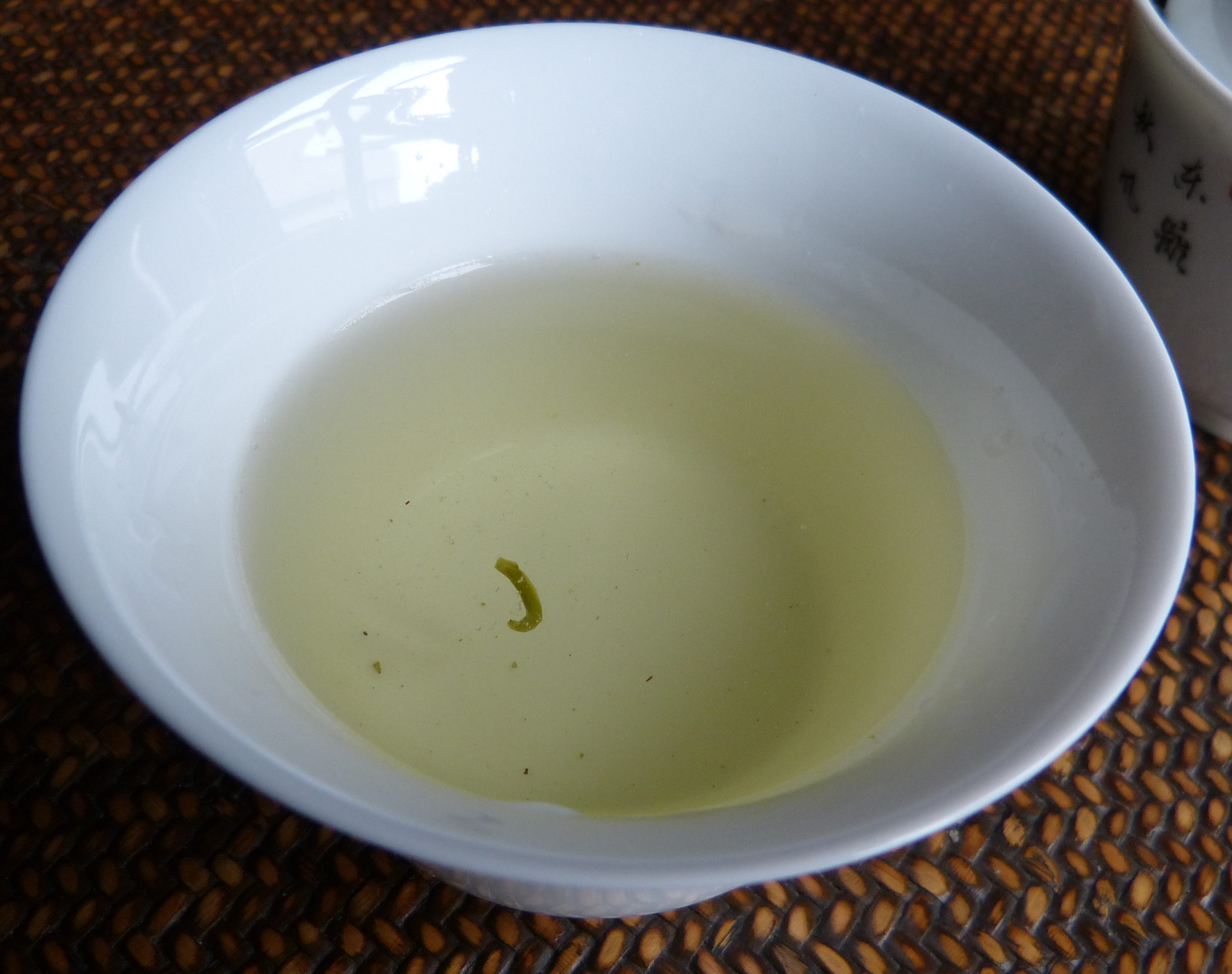
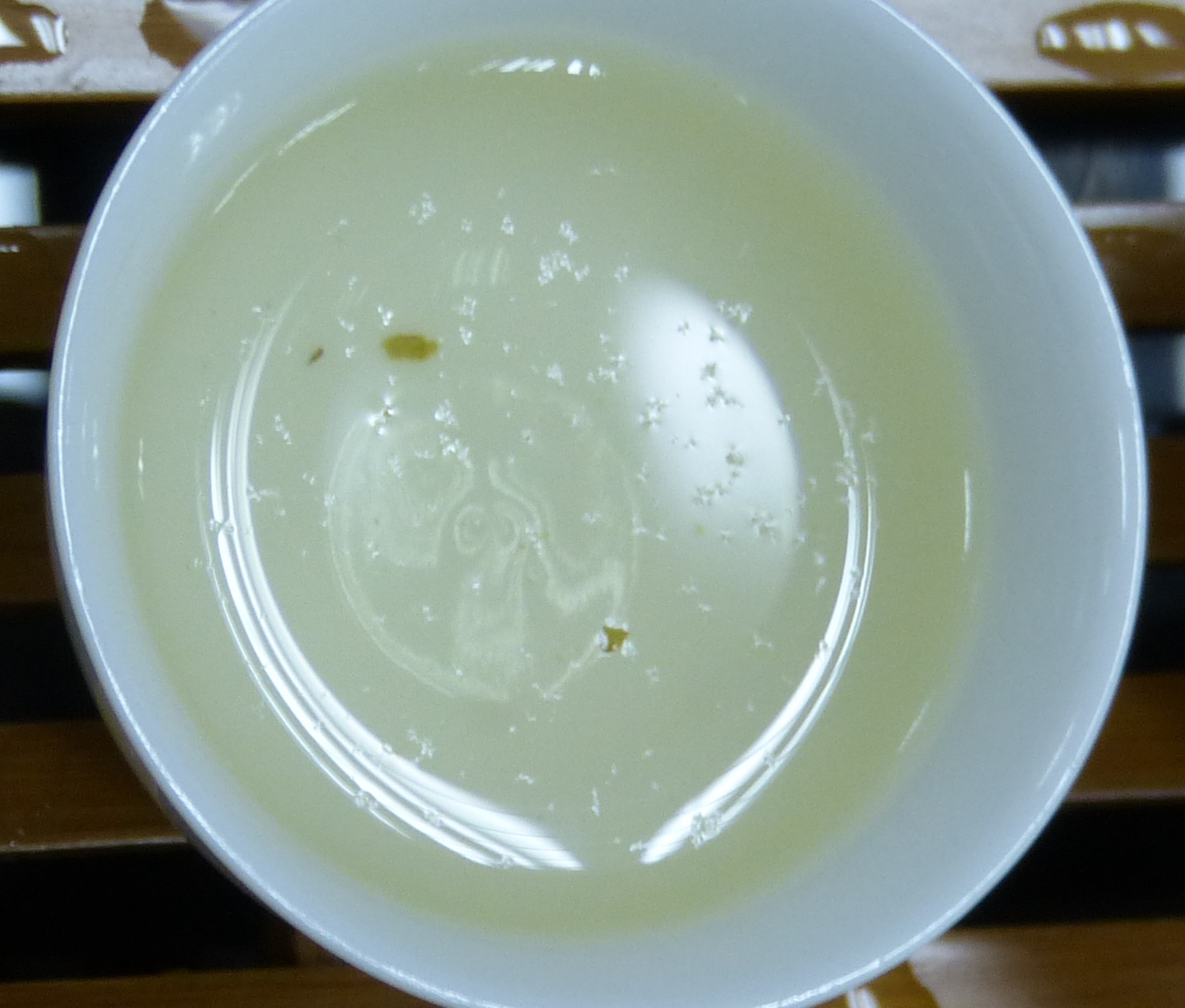
其茶汤水柔软,水色是嫩嫩的淡淡的鹅毛黄,汤水香气清纯。水面会有微量的细细茸毛,那是属于嫩芽头的。

茶汤入口滋味醇厚,有花蜜香味在上颚,喉底回甘,留有一种乳香味在嘴里,似咀嚼坚果或瓜子时,到最后会有一丝乳香的感觉,让人恋念。

现代茶思想龙井

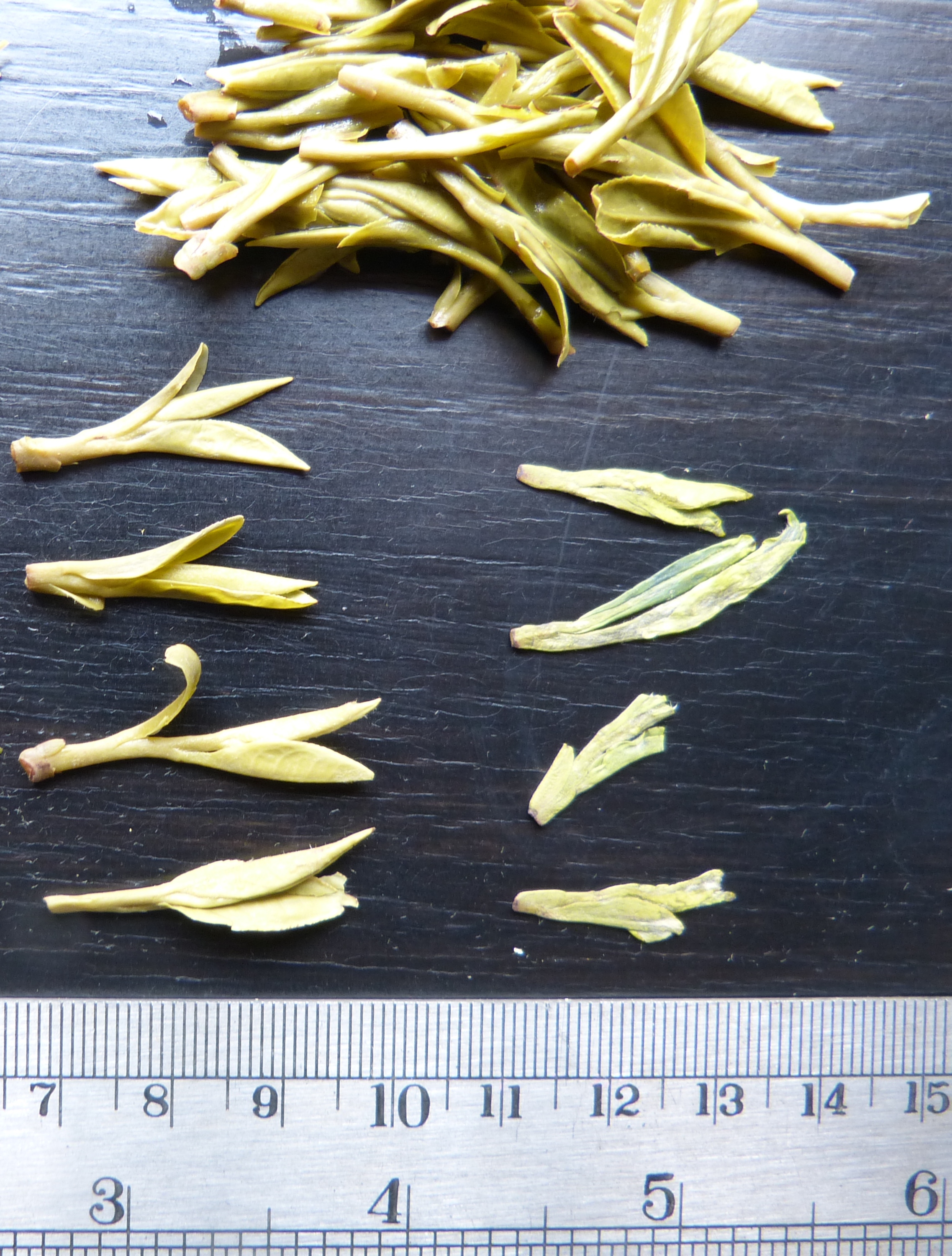
泡过的芽头体态彷如刚采下的新鲜叶子,有弹性,吃茶渣,带植物的清爽苦味。

现代茶思想龙井

现代茶思想龙井

上图:看龙井茶叶的大小。(上排:cm、下排:inch)


  (2282)

泡茶小助手茶签茶匙-许玉莲

泡茶小助手茶签茶匙

许玉莲

20130205马来西亚《光明日报》每周“茶人的第三隻眼”专栏

茶签是一支约十六cm长的针状竹制物,也有用名贵花梨木或沉香木做的,早期它主要被泡茶者拿来通壶嘴,因出汤时茶叶常常堵住在「壶流」,要把茶签伸进壶嘴将茶叶「推」下去,茶水才可流出。后期壶里的出水孔大多做成网状和球状以阻挡茶叶入「流」,很多不再需要茶签。

但茶签有另一重要用处:可当作泡茶者的手指来使唤,这样才不会将茶叶折断,要将茶荷里的茶叶拨入茶壶,用茶签轻轻划一下足矣,手指头的大小不顺,力度太强。要从茶罐倒茶叶入茶荷,茶签的长度也可帮忙进入罐内「邀」茶叶出来。茶叶在茶荷被观赏时,要更清楚看茶叶的细节部位,可用茶签翻动茶叶指出要点。

茶签有两种设计,一种就单一只有针状造型,叫茶签。第二种茶签有一物二用功能,它另一头的形状像「匙」,叫做茶匙,表示这件器物除了茶签可帮忙拨茶叶,也可用茶匙部位从茶壶内把茶渣「请」出来观赏。喝完茶后即刻用手指往壶里挖掏茶渣太粗鲁,要用茶匙,况且那样做也太烫手了。像这种双重功能的茶器,当要用那一头时就以该部位名称呼之。

如果一头有茶签一头有茶匙,泡茶者就务必让它们分工,做「干燥的工作」拿茶叶是茶签,做「潮湿的工作」挖茶渣是茶匙,不可混乱,这是对茶叶的「干、湿」,「未用、已用」的留意与尊重,对茶具的尊重,对专业的尊重,对人的尊重。如果泡茶时凡事只是虚应故事而已,茶道就无法产生感受力了。

茶匙也有只是单一匙状造型而已,不与茶签同在,这时针状的造型会变成直平状或斜平状的刀片形,此部位要当作茶签(像手指这样拨茶叶)来用是没有问题的。要单独准备一支茶签,一支茶匙也可以。这种造型的茶匙也被称为「茶杓」,泡饮抹茶时可用于从茶罐掏拿茶粉。

有人见到一些可爱的茶树枯枝,捡回家弄干净当茶签用,那是一种单纯的趣味,偶尔为之无不可,但不代表每一样茶具都要这样「捡破烂」回家才显泡茶意义。有人规定凡泡茶者必须自己亲手制作茶签、茶匙、茶荷等竹器,否则就断定他是一个不懂泡茶之人。没有必要如此偏执,艺术的发展也需要分工。


  (2265)