Tag Archives: 茶汤作品

許玉蓮自序《茶鐸八音 茶文化復興之聲》我的茶文化辨識系統

許玉蓮自序《茶鐸八音 茶文化復興之聲》我的茶文化辨識系統

此書不是有關風花雪月、通過茶道抒發心情的茶書。不是附庸風雅以茶道消遣生活的茶書。不是不吃人間煙火,將茶道包裝得素素雅雅就好的茶書。此書收集了我由2010年1月24 日至2012年10月23日在專屬網站、報刊、及雜志發表過的稿子,這些稿子是我自1992年進入茶界,經過20年茶道教學工作的一位茶道老師對當代茶文化復興發展之思路,也是一位有20年茶道教學經驗的老師對茶文化復興工作不畏懼地提出看法的表態。

說它不畏懼,因爲當發覺連一些新興發展茶道的地方如汶萊、杜拜的大衆,或一些新接觸茶道的族群如馬來民族、印度民族都受到一些以訛傳訛,穿鑿附會的資訊污染時,又或是看似擁有豐富茶道經驗的人們依舊用人云亦云的論調來評述茶道時,我們知道茶道裏充斥著種種道聽途說,所說的話也傳得比什麽都更快更遠,我們無論提出批判性或建設性的看法都需要極大勇氣。

我們認爲學茶道之道應構造出一套科學的,具體的系統,讓人們能夠輕易掌握及享受它。在長期面對愛好茶道的大衆對茶道之好奇、迷惑、質疑、關注和挑戰等情況之下,比如他們說“第二道茶是最好喝的。”,他們問“爲什麽要洗茶?倒掉不喝?”我們就要針對這些每一細節思考什麽是做對了的,什麽是做錯了的,要如何改過,還有,怎麽才能將之做得更好,實實在在的清清楚楚的,協助大衆進入茶道境地。

此書充滿我對茶道的激情,它針對我所看到的、所聽到的,所想的、所做的茶道說出我自己的感動,提出我自己的做法,它是屬于我的一張茶文化辨識系統檢查表,以我的生命我的愛來審視。

許玉蓮

2012.10.30

于紫藤茶藝學習中心 (2823)

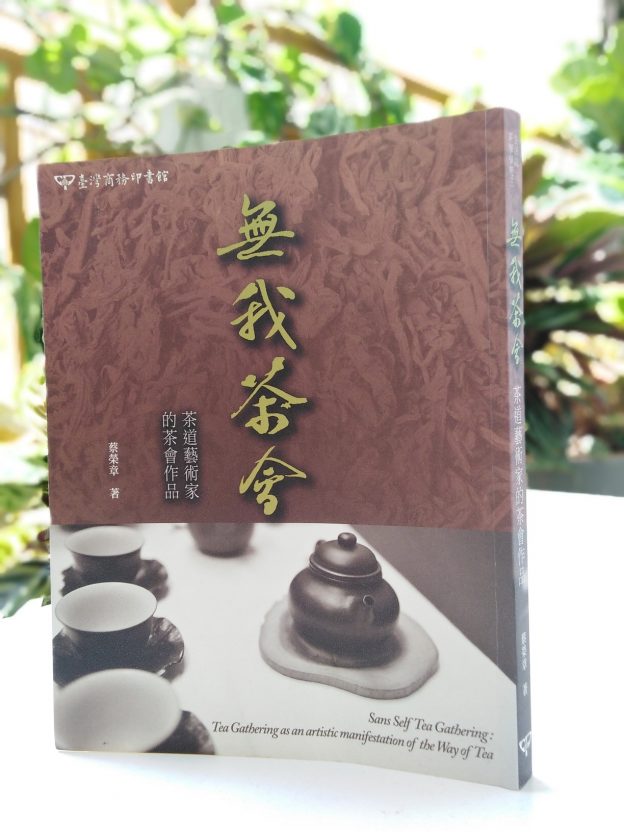
許玉蓮的跋-無我茶會的理想國《無我茶會-茶道藝術家的茶會作品》蔡榮章著

許玉蓮的跋無我茶會的理想國《無我茶會-茶道藝術家的茶會作品》蔡榮章著

0四八年二月一日.晴

我拿著老師給我的地圖,來到地球北緯24°4′51″,東經117°31′54″的所在地,那裏有個小山坡,斜坡路兩旁有大樹有草,空氣是靜、涼的。我一步一步往上走,坡上原來有座木头筑造的平台,由十二根大树头架起,約比我矮一點的高度,其棚顶用帆布遮盖,其南、北、西三面由許多蔓延性植物披挂下來當作圍牆,東面敞開,只見平台上滿滿坐了一地的年輕人,他們正全神貫注聽著面前一位長者說話。我再走前幾步, 只聽到那長者說: 「無我茶會最重要的是把茶泡好………」,我蹑手蹑腳爬上平台與那群年輕人坐在一起,一會兒,不懂從那裏走出一位少年,雙手捧著一碗茶畢恭畢敬奉給我。就這樣我也聽了半天長者的泡茶課。

太陽下山的時候,下課。那少年又冒出來把茶碗收回去。

我問:你們在做什麽?那長者是誰?

他說:他是我們茶道長者,已經百歲,定時在這茶道講壇開課,每一社區有志要成爲茶道老師的人都要來這裏聽他的課,我自小媽媽就叫我來做茶道義工,他住在講壇後的小屋,有十三位像我這樣的學生,輪流侍奉他的生活與上課所需。今天是我的奉獻日,我要負責老師的飲食和茶事。

隨後我說我要找地方投宿,奉茶少年說可住入他家,所以我就住入他的家了。

0四八年二月二日.有風

奉茶少年要去探望舅舅,我跟著一起去。他說:半年前舅舅突然患疾,醫生一直無法醫治,舅舅便回到家裏修養。

到了舅舅家,看見有三個男人圍聚大飯桌,埋首在一張畫滿箭頭的地圖紙。

少年說:舅舅在我們社區的下水道防漏工作部服務了二十多年,他天天在下水道鑽來鑽去,最熟悉整個下水道的形勢、方向和道路的駁接補漏情況,他要在離世前把這些所有實際經驗都記錄下來,他說現有的地圖已經過時。那兩位是自願來幫忙畫地圖、代書的大學生。

舅舅看見我們,叫我們過去,指點給我們看下水道的來龍去脈。他因疾頭發脫落,身體瘦弱,說話聲音低低的,精神卻靈活。

舅媽捧出茶來,一碗一碗交我們手上,陪著我們喝。

茶後她問舅舅:社區豪華大墓園的人剛剛又來推銷豪華大喪禮,問你要不要預購?

有個小女孩從舅媽身後閃出來,抱著舅舅,她說:爸爸吩咐我們無須擔心,把他的骨灰撒在一號山頭就可以了。

0四八年二月三日.大晴

早晨醒來,少年全家高高興興換上幹淨衣服,利落地各自准備了茶葉與茶具,說要泡茶去。少年叫我也收拾一套。

他說:我們每一個社區每周有自己約定的時間,到茶道廣場進行無我茶會。

我說:誰會去?

他說:大家都去,包括地方首長、明星、左鄰右裏,大家會將那個早上時間預先安排好,真走不開的話,每個家庭也有代表去。

我說:誰做工作人員呢?

他說:誰做都可以,我自小知道那個工作團好像自然形成的,誰有時間就誰做,誰要請假便找人代替。

抵達茶道廣場,大家默契地進入無我茶會的律動。

觀摩聯誼時聽到兩位老人對話,記錄如下。

甲:無我茶會強調對「無」與「有」的信念,到底是怎麽回事?

乙:你不喜歡的,就把它忘掉,那是「無」, 重新建立你喜歡的,那是「有」,生命永遠在你掌握之中。

甲:名譽地位是我喜歡的, 就無需丟棄了?

乙:不丟棄會變成包袱,要丟棄, 要不在乎它。重新再建構你喜歡你覺得榮耀的名譽與地位。每天清晨起來, 還沒有想到什麽事之前,是多麽輕松,我們每次參加完無我茶會都要還原成那個「什麽都無」的樣子,再去重建新的「有」。

甲:如果我原來就「無」任何東西,要怎麽建立「有」?

乙:如果原來就一「無」所有,原來就窮困潦倒,那窮困潦倒就是原來的「有」,現在要把它丟棄,從「無」中重建新的「有」,重建新生命。

0四八年二月四日.陰

吃完早飯,少年的媽媽邀我入茶席,精精致致地泡了一道茶給我喝,並告訴我少年回校參加升學研討。學校聘請了各個學派的專家來演講,讓學子了解各流派學說以及自己的興趣後才思考進修那個科系。他會在校裏呆上一天。

媽媽叫哥哥帶我四處走走。哥哥說:散散步吧。我們就出發了。走到河邊銀杏樹下,我們發現一只跌失的錢包,厚厚的裝了很多鈔票,哥哥拾起幾根樹枝,在地上豎起成三腳架的樣子框住錢包。

我問:有什麽作用?

他說:讓路人看見,別把它原本位置錯亂,讓失主回頭找時容易發覺。

過了河,漸漸走到熱鬧街道,我們在候車站停下來,候車站有一排電腦設備,有幾人在操作,哥哥也去排隊,我問他要做什麽?

他說:報稅。政府定時告知確實的繳稅額。我們從銀行轉賬即可。

約五分鍾後,哥哥辦好了,他又告訴我政府各有關部門的計劃、事項、工程等都可以在路邊這些電腦系統詢知、討論和跟進。

接著哥哥帶我到市立圖書館,我們在歷史資料收藏室找到一位年輕管理員,哥哥把資料冊子交還,找了另一份新的資料擬登記帶走,年輕管理員望望那份資料的題目和日期,與哥哥說:這一份還不夠呢,另有三份更詳盡的類似資料,在某櫥某格某編號。

0四八年二月五日.陰

傍晚,少年的爸爸給我們煮茶,正喝著時,鄰居氣敗急壞走進來說:新聞報道 A作家跳樓自殺,死了。他是我最喜歡的作家。

我們問:爲什麽呢?

鄰居說:都說他過時了,不受歡迎了,大衆都不買他的書了,他受不了這種冷落而消沈。

爸爸給鄰居大大力的擁抱,再給他一碗茶喝。大家一時間都陷入無言。

臨睡前,我聽到少年與爸爸在陽台上對話。

少年:人死了是何意義?

爸爸:完成了這一輩子的「活」、 這一輩子的「有」。

少年:死後又是什麽?

爸爸:死就是這輩子的結束,是種「無」 。

少年:死後的肉體與靈魂呢?

爸爸:都分解成各種最基本的原素了, 只是快慢不一。

少年:爲什麽快慢不一?

爸爸: 火化最快,自然腐化第二, 在冷凍環境最慢。靈魂分解速度與意志力有關。

少年: 分解後呢?

爸爸:再被其他生物與非生物所用, 不論是肉體的還是靈魂的。

少年:生死也是一種「有」與「無」?

爸爸:對,死是「無」,還原成各種基本原素是「有」, 基本原素組成新的生物或非生物又是另一次「無」與「有」。

少年:基本原素組成新的生物是不是叫投胎?

爸爸:不是, 只是原素的重新組合, 包括了生物與非生物。

0四八年二月六日.雨

期限已到,我來到我第一天抵達的地方,准備啓程回家。

在一片細雨中,我看見茶道讲坛变了样子,其棚顶、其南、北、西三面墙由一种我不知名的金属器覆盖着,估计以防风雨,許多年輕人穿着雨衣往茶道講壇的方向走去,已经在平台上的年轻人魚貫而入找到自己的位置就坐下。同一時间,我也看見那茶道長者撐著雨傘緩緩走上講壇。

0一三年二月一日.晴

回到家第一件事情,我打開筆記本,看看本學期最後一個研究項目,老師出的題:「你去看看他們的無我茶會做得怎樣了,地址與時間在這裏」。我將考察日記作爲交給老師的報告, 並在總結欄記下我觀察所得的答案:一切無恙,繼續前行。

許玉蓮

0一三年一月六日

于紫藤茶藝學習中心


(2626)

陆羽茶道教室的经营模式-20130925周三小方块-蔡荣章

陆羽茶道教室的经营模式

蔡荣章

20130925周三小方块WEDNESDAY TEA CORNER

台北陆羽茶艺中心的茶道教室1981年1月4日开始第一个班别“茶艺讲座”的上课,这个阶段的上课是免费的,包括上课使用的茶叶、茶具与非泡茶课时每人的盖碗茶(泡茶课时已经有茶喝了)。但必须繳交新台币500元的保证金,8次课上完,泡茶考试与学科考试及格取得结业证书后退回保证金。缺课时可以在以后任何一期补上所缺的那次课,考试不及格时也可以在以后任何一期的同样考试时补考,不必再繳费用,补完课、补完试,依旧发给原期的结业证书并行退费。

除了基础班的茶艺讲座,后续开设的班别亦复如此。为执行上完课才可毕业的规定,每次上课必须签到,缺席的那次必然是空白,等补课时方行补签。

保证金的收费方式一直维持到1986年,为求茶文化教育的独立发展,改变成收费的制度。开始是将保证金的500变成收费的500,然后逐渐调高,从800到1000,从1000到1200、2000元不等,依课程所需的成本而定。收费的制度下,依然是上完全部学时并通过考试才发证,补课补考依然不另行收费。但是这样的收费标准,直到目前仍然无法支付包括房租在内的所有成本,除非班别密集得天天午晚皆是,每班的学员数都能够在30以上。

陆羽茶艺中心之所以能够采取这种几近公益式的教学方式,是因为它另有茶具开发部门,生产的茶具透过关系企业天仁茗茶与天福茗茶的销售网向外销售。“陆羽茶艺”品牌的茶具支持着教学,教学支持着茶具的研发(包括知识的与形象的),但这种做法要依赖经营者对茶文化的支持、相信茶文化与企业的永续经营是相互链接的,而且拥有经济支撑项目的营利能力。还得告诉学员,让有心办好茶学教育的单位能够赚钱,我们才能够享受更好的品茗氛围。陆羽茶道教室至今仍然处于需要扶持的状况,茶文化的私塾教育要能健康发展,学习费用还得提高,大家享受茶汤与茶道艺术(不只是茶叶商品)的需求还待大大醒觉。

1996年4月13日为期一年的师资班开课后,上完全部课程后才能结业的办法改成了:出席率达到80%以上(长年上课要一次不缺是不容易的)。补课的规定依旧,虽然必须等到一年后(尚无法并排开两个师资班)。可以补足80%的出席率,也可以补满全部课时。

陆羽茶道教室为了可以贯彻泡好茶的理念,制定了两个非得把茶泡好的制度与课程:

a. 从1983年起每年举办1-2届的泡茶师检定考试。检测的办法是在各类茶中抽取三样,依指定的茶具与供茶需求(如泡几道、泡给几个人喝),在40分钟内把茶泡出。如果能将茶汤泡出一定标准,且有80%以上的稳定度,就可通过术科考试,再通过学科考试(制茶、识茶、泡茶、茶具、茶史等方面的知识),就可以取得泡茶师证书。这个泡茶师检定考试的制度,除引导大家重视泡茶、重视茶汤外,也培养一些能够泡好茶的茶文化工作者、在茶事活动上有批精炼的先锋部队。

b. 除了1982年12月开设的泡茶讲座外,复于1999年10月25日起开设了“泡茶研习班”,利用“车轮式泡茶练习法”,一组五六位学员轮番上阵,第一位就坐后“置茶”与泡第一道,第二位泡第二道,第三位泡第三道,—-第五位泡第五道并去渣清具。每道茶冲泡之前都将茶壶传阅,每人看淸壶内的茶况,记录下自己所判断的“浸泡时间”。等茶泡好,大家品赏过茶汤,老师做出标准浸泡时间的判断(茶汤浓度标准时则依原冲泡时间,不标准时则提出标准时间)。每人算出自己的误差值(秒数),五道以后再计算总误差。就这样一次又一次地练习,以不同的茶叶与茶具为题,求得误差值的减少。这种泡茶练习除对茶况的认知外,必须关注置茶量、水温、前数泡的太浓或太淡、与前泡“间隔时间”的长短、茶壶出水的速度等等,是学习掌握茶汤浓度很有效的办法。

上面不厌其烦地介绍陆羽茶道教室在“学茶者必须认真且付出代价的学习” 、“必须具备泡好茶能力”的理念下所做的努力,也说明一个茶道教室,不论是学校体系还是民间的单位,有了思想与目标的指引,它的课程体系才容易显得有个性与富生命力。


  (1986)

無我茶會Sans Self Tea Gathering (Wu-Wo Tea Ceremony)-Chapter 14 Presenter’s Script for Sans Self Tea Gathering-蔡荣章Rong-tsang Tsai

《無我茶會Sans Self Tea Gathering (Wu-Wo Tea Ceremony)180條》

蔡荣章著Author:Rong-tsang Tsai

ISBN 978-957-9690-08-9,“无我茶会Sans Self Tea Gathering(Wu-Wo Tea Ceremony) 180” ,First edition: 1999.9, Second edition: 2010.9.《无我茶会180条》,1999.9第一版,2010.9第二版.台北陆羽茶艺股份有限公司.2012.05.20修订版.-English Translator : Katherine Yip,英语翻译:叶德明.

Chapter 14     Presenter’s Script for Sans Self Tea Gathering

A Sans Self Tea Gathering requires neither an event director nor master of ceremonies. However, the Organizer may assign a presenter to brief observers about the procedure and the meaning behind this unique form of tea gathering, if it is held in public. Such arrangement helps promote Sans Self Tea Gathering; it facilitates understanding of the concept, which is not to be confused with event facilitation.

Presenter’s Script for Sans Self Tea Gathering

Steps

Subject

Talking Points

1.Placing of number plates

a. Event

report

a. Ladies and gentlemen, we will be hosting a Sans Self Tea Gathering at __________ (time).

Please join us. During the tea gathering, our fellow brewers will be offering tea to you.

b. What is

Sans Self Tea Gathering

b. Participants of Sans Self Tea Gathering bring along their own tea wares. Seated in a circle or loop, they serve tea to fellow tea drinkers; this way, each participant enjoys tea brewed by different persons. It is essentially a form of tea gathering where everyone brews, serves and drinks tea.

 c.On-site happening

c. Seat number plates are being placed. Participants are seated in a circle or loop. Later on, they will take their places according to the numbers they have drawn. This realizes the first principle of Sans Self Tea Gathering, namely “there is no hierarchical differentiation.”

___(number) participants are attending this tea gathering; therefore, the number plates will be arranged in __(number) circles or loops.

d.Engaging the crowd

d. Ladies and gentlemen, today, each participant will be brewing four cups of tea, two of which will be served to you, our dear guests. Please stay with us. You will get to enjoy different types of tea (including those from Japan, South Korea, China ……).

e.Introducing the main and co-organizers

e. This Sans Self Tea Gathering, entitled  _________(name of tea gathering),  is held in conjunction with the _______ (occasion). It is organized by (the International Sans Self Tea Gathering Promotion Association) (and ____), and co-organized by _____. The Organizers wish to express their gratitude to the parties and individuals who have lent us their assistance and support.

2.Signing in

a. Drawing lots

a. Ladies and gentlemen, as you can see, the participants are arriving. Seats are determined by random drawing; no one knows who will be next to them until they are seated. This embodies the spirit of the tea gathering whereby we accept things the way they are – there is no hierarchical differentiation.

b.Participating parties

b. Participating in today’s ____ (name of tea gathering) Sans Self Tea Gathering are (all) fellow tea drinkers from ____ (I can see participants (from Japan) coming in….) .

c. Taking the seats

c. Participants are now taking their places according to the drawn numbers; some of them are already taking out their tea ware.

d. Tea Utensils

d. Ladies and gentlemen, take a look at these tea wares, how they are wrapped and being carried about. Tea ware for Sans Self Tea Gathering should be kept simple. Hot water is stored in the participants’ thermal flasks. There are different kinds of tea ware, too, including those for (matcha). Participants are free to make their choices of tea ware and brewing methods, thus realizing the second principle of Sans Self Tea Gathering: that “there is no restriction as to the school or regional practice in brewing”

e.Tea ware appreciation and networking

e. When tea ware is laid, participants may proceed to appreciate others’ tea ware, and greet and talk to each other. This is what we called the “Tea Ware Appreciation and Networking” session. It is a good time for photos; once brewing begins, no photos are allowed. Participants may ask non-participants to take photos for them outside the circle.

If the owner is not around, or no permission is given, participants should not touch the tea ware of the others when they are appreciating it.

3.  TeaBrewing

a. When to brew tea

a. When the “Tea Ware Appreciation and Networking” session is about to end, participants will return to their seats and begin brewing. Timing is stated in the “Notification” distributed prior to the tea gathering. There is no event director or master of ceremonies at the venue; everyone follows the pre-determined schedule, just as the third principle of Sans Self Tea Gathering goes: “Everyone follows pre-agreed arrangement”. When there is no event direction at the tea gathering, people could focus on the beauty of collective rhythm. Today, I am here to explain to you what Sans Self Tea Gathering is all about. Imagine I was not here talking, the impression of the tea gathering would be much more graceful.

b. Venue clearing

b. When brewing begins, the area inside the circle or loop formation must be cleared so as not to compromise the integrity of the venue. Filming crews and photographers have to move out; if necessary, take a few snap shots and leave the area promptly.

c. Observing silence

c. No talking is allowed once brewing begins; everyone will concentrate on making tea. Participants offer tea to each other without verbal exchanges, such as  “thank you” and “have some tea, please” – a slight bow, and a smile, is enough. A peaceful and tranquil environment is conducive to an aesthetic experience and the bond between people, matters and space the tea gathering brings. This is another characteristic of Sans Self Tea Gathering, namely “Appreciating mutual-understanding and the beauty of collective rhythm”.

d. Ways of serving tea

d. Ladies and gentlemen, now you will see how tea is served. Each participant offers tea to the three fellow participants on his (left), and reserves the last cup. This way, tea is served in the same direction.  “Uni-directional flow of tea serving” is a rule of Sans Self Tea Gathering. When you serve tea to your left and receive tea from your right, you are “expecting no action of reciprocity”, which is one of the seven principles of Sans Self Tea Gathering.

e. Setting aside personal preferences

e. The four cups of tea a person drinks could be entirely different, because the choice of tealeaves is personal. Sans Self Tea Gathering wishes each person to accept and appreciate tea without letting personal preferences get in the way. Preference rules out things you don’t like, which could be something intrinsically wonderful. By rejecting, we could be depriving ourselves of the blessings in life. “Setting aside personal preferences” is the way of tea that Sans Self Tea Gathering advocates.

f. Getting better each time

f. Not all tea is masterfully brewed. There may be one or two cups that are downright bitter and astringent. When this is the case, we should ask ourselves: “Have I brewed a bad pot, too?” “Brewing a good pot” is basic. Bad brew is a disgrace to ourselves, disservice to the others, and yes, to the tea brewed. “Getting better each time” is one of the seven principles of Sans Self Tea Gathering.

g. Second cup

of tea/round of serving

g. The participants will be serving their second cup of tea to our guests. Today, you will be drinking various kinds of tea brewed by fellow tea drinkers from different places (Taiwan,…). This is indeed a gathering of friendship and goodwill. Hold on to the cup; this will be used for the fourth round of serving.

h. Third cup of tea/round of serving

h. The third cup of tea will be served with the tea pitcher; again, it will be served to the three persons on one’s left with a cup reserved for oneself.

i. Alternatives for the directional flow of tea serving

i.Tea can be served either to your left or to your right. Likewise, it is not a must to offer tea to your three immediate neighbours; alternative arrangements can be made. For example, one may be serving tea to the second, fourth and sixth fellow tea drinkers, or the first, third and fifth fellow tea drinkers next to him, on either side, as long as the arrangement is made clear in the Notification in advance.

j. A brief history of Sans Self Tea Gathering

j. Sans Self Tea Gathering was introduced in Taiwan in 1990. Today, it has won worldwide recognition. This unique form of tea gathering takes place in different countries, including China, Japan, Korea, Singapore, Malaysia, etc. They take turn hosting an international Sans Self Tea Gathering at given years. This year (next year), we will be having the __th International Sans Self Tea Gathering at _______(country/place) in _______(month).  You are all welcome to join us.

k. Fourth cup of tea/round of serving

k. The fourth cup is now ready. This is dedicated to all our guests. This time, it could be a different person serving you a different kind of tea. With the Way of Tea, we are encouraged to brew for others, even strangers. This practice is certainly upheld in a Sans Self Tea Gathering.

l. Cups used by the guests

l. Ladies and gentlemen, enjoy your tea. The participants will begin packing their tea ware shortly.  To avoid any inconvenience and to stay friendly to our environment, they will collect the cups they have distributed. (If the cups are given away as souvenirs, revise the script)

m. Embracing the ‘beauty of the void’

m. When the last brew has been taken, there will normally be a short session of music appreciation that demonstrates the ‘beauty of the void’ embraced during a Sans Self Tea Gathering. This is a time when participants relish the aftertaste, and refresh their memory on what has happened in the course of the gathering. The music comes on without any introduction and requires no applause. As the music fades away, participants begin collecting their tea ware and the tea gathering is coming to an end. (Revise the script if other forms of post-tea activities are arranged. Omit if no such activities are arranged.)

4. After-tea Procedures

a. Post-tea activities

a. (No explanation is required)

b. Wiping the cups

b. Before packing, wipe each used cup to avoid it being too messy when others come and collect their cups. This gesture is in line with the spirit of the Way of Tea, whereby we put others’ interests first. The tea ware will have to be washed when one is back at home.

c. Collecting the tea cups

c. After wiping the used cups, participants will proceed to collect their tea cups from other participants, (as well as tea cups from the guests, along the way). Silence is still observed.

d. Packing the tea ware

d. After the cups have been collected, pack tea ware properly.

e. Tea ware for travelling

e. Ladies and gentlemen, pay attention to these ‘travel’ tea ware used by the brewers. You may want to prepare a set similar to this, so you can enjoy tea when you are travelling or going out with your family. Note the way these items are packed: Tea cups must come with ‘cup covers’. Two of the cups are ‘hooked’ onto the teapot and bundled up with a wrapping cloth, while the other two cups are stacked with the tea pitcher and bundled up with another wrapping cloth. The idea is to proceed in a well-planned, systematic manner to the very end. There is this common saying: What has begun well must end well.

f. Service Counter

f. Ladies and gentlemen, (The Sans Self Tea Gathering Promotion Association) operates classes on the Way of Tea conducted by experienced instructors at different places. There are also classes on Sans Self Tea Gathering at fixed time and venues.  For more information, please proceed to our service counter.

g.Thank you

g. We would like to express our gratitude to ______ for providing us with ______ for the today’s Sans Self Tea Gathering. (Omit if not applicable)

h.The End

h. Ladies and gentlemen, we appreciate your feedback about this Sans Self Tea Gathering. Thank you for participating, and we look forward to brewing tea together next time.

i. Group photo

i. To commemorate this special occasion, we would like to invite all our guests to come together for a group photo.

This Sans Self Tea Gathering has come to an end. We would like to thank everyone for a wonderful time together. See you soon.


  (3543)

無我茶會Sans Self Tea Gathering (Wu-Wo Tea Ceremony)-Chapter10Problem Solving-蔡荣章Rong-tsang Tsai

《無我茶會Sans Self Tea Gathering (Wu-Wo Tea Ceremony)180條》

蔡荣章著Author:Rong-tsang Tsai

ISBN 978-957-9690-08-9,“无我茶会Sans Self Tea Gathering(Wu-Wo Tea Ceremony) 180” ,First edition: 1999.9, Second edition: 2010.9.《无我茶会180条》,1999.9第一版,2010.9第二版.台北陆羽茶艺股份有限公司.2012.05.20修订版.-English Translator : Katherine Yip,英语翻译:叶德明.

Chapter 10  Problem Solving for Sans Self Tea Gathering(Wu-Wo Tea Ceremony)

128 How do we remedy the situation if an error occurs when tea is served?

Each participant is expected to know all the rules of a Sans Self Tea Gathering by heart. But errors do occur. Rectify the situation where possible if this does not disrupt the progress of the tea gathering. Leave it the way it is if you are not sure how to set it right, or if doing so will undermine the event flow. For example, your fellow participant has misplaced the cup served to you. All you need to do is to gesture him to move the cup back to the right position. This is considered a correctable error. However, if the person has mixed up the person to be served, which is hard to set right without disturbing the progress, then just let it be and consider this an uncorrectable error.

129. What if you are served one cup less?

You may start drinking when you have returned to your place after serving the others, and when your fellow participants have finished serving tea to you. However, if you have waited for an extended period, and there is yet one cup to be filled, then you may want to start drinking to avoid lagging behind. Sometimes, the other party may have taken too much time serving, or he may have simply made a mistake. It is more important to keep pace with the progress.

130. What if I can’t finish pouring the tea I have brewed and there is some left behind?

The amount of water for each brew is determined by the number and size of the cups you have brought along (as well as the ones provided by the organizer for serving onlookers). Calculation has to be done beforehand to ensure there is no surplus or shortage of tea. If the amount of water falls short, or the teapot is too small, then pour a little less tea into each cup. Conversely, if there is too much tea and can’t be finished in one round, then keep it till the next. If there is still some left behind at the end of the last round, just take it yourself.

Some people prefer to bring this surplus infusion home in the thermal flask; the problem is, it is hard to eliminate the smell of tea afterwards.  Some people may keep this surplus infusion in the upturned cap of the thermal flask, and pour it away when the tea gathering ends; others may even pour the infusion away there and then if the gathering is held in the countryside.  None of these ways are advisable; the fact that you have made an effort to brew well makes the infusion ‘precious’.  Discarding it would go against the intention to serve the best brew possible. Just bear in mind that controlling the amount of tea infusion and brew well is very important; should there be any infusion left behind, the best way is to take it yourself.

131. If the tea infusion is too difficult to stomach, what should I do?

When the tea is described as ‘difficult to stomach’, it probably means that the tea is too strong for the palate.  If this is the case, and the infusion is bearably strong, just drink it. You may also dilute it with some water if you worry that you body may not be able to take it because of the concentrated strength.  If the cup is filled to the brim, you may pour half of the infusion into a cup you have finished drinking from and add water to the infusion.

Such a cup of tea reminds us that we should make it a point to brew well and spare the others of the frustration. In any  case, if you have made an effort to bring along the tea, tea ware and hot water for brewing and serving, but come up with a brew that is ‘too difficult to stomach’, it will be a disgrace to not only you but also the tea.

132. If I attend the tea gathering but am not able to take tea on the day, what should I do?

This is rare and very unlikely. Having said that, there may be people who ‘are not tea drinkers but enjoy such an activity’; or, someone may not want to take tea at this juncture out of health considerations. If this is the case, fill each cup with hot water after taking the first brew.  This sends the signal to fellow participants that you would not be taking any more tea. If you are not able to take even the first brew, just leave the cups of tea as they are at the original spots. When it time to wipe the cups after the last brew, pour the tea infusion in each cup into the upturned cap of the thermal flask and discard it when the tea gathering is over.

Sans Self Tea Gathering is an activity of tea aficionados that promotes the Way of Tea. A ‘love of tea’ is essential in nurturing an enjoyment of this ‘activity’. If one enjoys the ‘activity’ but lacks a ‘love of tea’, he will be taking away the aura of ‘nothingness’ that makes a Sans Self Tea Gathering so special.


133. What should I do if the previous cup served has not been taken when I am about to serve the second brew?

When you serve with the ‘pitcher’ (or ‘spouted tea bowl’ for powdered tea) after finishing brewing for a second round, you discover that the first cup you served has not been taken. What should you do? At this juncture, observe and decide if the person has yet to do so, or he does not want to take it anymore.  If he is about to finish the cup when you show up, you may wait for a little while. If he does not want to drink, then there is no need to offer tea to him.  Consider health condition rather than the quality of the brew as the primary reason for his declining the offer.

The situation would have been handled differently if we are serving tea at home. Teachers of the Way of Tea would advise us to ask, “Would you like a cup of freshly-brewed tea?” If your guest agrees to this, pour away the tea which has become cold into the crucible, and refill the cup with some fresh brew. As the spirit and act of ‘frugality’ is embraced by the Sans Self Tea Gatherings, such follow-up offers are not promoted.

134. What if there is still tea infusion in the cup when I come to collect it?

A Sans Self Tea Gathering could be organized in honour of a dedicated person or occasion known as ‘an identified target’, to whom or to which the first cup of the first brew would be offered. One can drink the tea after collecting the cup if the infusion remains not taken at the end of the gathering. For Sans Self Tea Gatherings in general, however, any infusion not taken is considered the responsibility of the person to whom the tea is offered, in the sense that he is the one to clear the teacup of any content even if the tea infusion, for some reasons (such as the brew is too difficult to stomach, too much to finish or being left there out of oversight), remains in the cup when it is time for cup collection. What if the other party has overlooked this rule of a Sans Self Tea Gathering when you turn up to collect the cup? Just take your cup back and pour the infusion into the upturned cap of the thermal flask, and discard it after you have packed the tea ware (you may also pour it away at a suitable spot if the tea gathering is held in the countryside). It pays to find out if it has something to do with poor brewing or other reasons.

135. Is there anything I can do if the tea is not brewed to perfection?

Brewing a good pot of tea is a must for anyone serious about tea. Do the necessary if you notice that the tea infusion is either too strong or too weak before you serve – if the infusion is too weak, you may pour it back into the pot and steep a little longer; if the infusion is too strong, you may add some hot water to the infusion. If the infusion is far too strong and you want to dilute it but the tea pitcher is already full, you may pour a cup first and keep it for yourself. Take others’ tea first, pour half of the strong infusion into one of the emptied cups and add water to dilute.

If you are not sure whether the infusion is too weak or too strong when you pour the tea, you may pour some into your own cup first and try it to make sure it is of the desired strength.

136. If I don’t have enough water for brewing, or there is clearly too little tea infusion, what should I do?

Both scenarios may be attributed to inadequate preparation, or an unexpected increase of cups to be offered to onlookers. When you notice that there is not enough water for brewing during the last round, and there is no supply of hot water on site, you may gently ask the neighbours on your left and right if they have some to spare. If you have finished brewing and discover that there is a lot less infusion than you intend to serve, and the shortage could not be made up by simply having less infusion for each cup, you may need to brew one more time; the amount water would have to be adjusted according to what is needed. In this case, the two rounds of brewing would combine to make one brew.

137. May I offer a cup to my neighbour in the opposite direction?

In the event that there is still some infusion left in the pitcher after serving, you want to know if you could pour some tea into an emptied cup of your neighbour whom you want to get acquainted with but in the opposite direction (for instance, the neighbour to your right, if it is agreed to serve fellow participants to your left).  By the same token, you want to know whether you could offer a cup to a senior some distance away whom you want to introduce yourself to. The answer is ‘no’, given the fact that each activity has its own rules and restrictions instrumental to its success.

138. Concerns about hygiene for teacups

Each participant of Sans Self Tea Gathering brings along his own tealeaves and tea ware.  At the gathering, everyone brews, and takes tea brewed and offered in teacups by fellow participants. This has prompted some doubt about hygiene. Some people have come up with ideas about alternative arrangement. They suggest that one’s teacups be placed at one’s own ‘tea serving area’, and fellow participants pour tea into the teacups using tea pitchers (or spouted tea bowls). While this may allay worries about ‘the cleanliness of others’ teacups’; it will nonetheless create unnecessary distance among participants which should not be the case.  Come to think about it, human interaction is not as clinically hygienic as we imagine it to be – we shake hands with each other and we hug each other ever so often. What Sans Self Tea Gathering advocates is a natural and truthful flow of feeling among individuals; and hence the particular way of tea serving. Having said that, we should make sure the cups, tea ware, our hands and body are clean before attending the tea gathering.  Equally important are quality tealeaves and clean water for brewing.  At the tea gathering, we use the best of our knowledge and skill in brewing a good pot.  Not to be forgotten is a pleasant disposition and positive mindset to make you a great person to be with.

139. Could we find out the name of the tea we are served? And utter some words of praise if appropriate?

Sans Self Tea Gathering is to proceed in silence and no one should speak. As such, you should not try to find out what kind of tealeaves it is when you are enjoying the tea. But it would be hard to have the question hovering in your mind throughout the event, wouldn’t it? This is why you should focus on the brew without bothering about its name.  Likewise, when we offer tea to, say, the first, third and fifth fellow participants to our left, we do not need to know their names. We do not need to know the name of the mountain to appreciate its grandeur, nor the name of the cloud to appreciate its ethereal beauty. But if you just happen to know that the cup of tea was brewed by a certain participant, it is acceptable for you approach him after the tea gathering and find out more about his brew. Furthermore, if the brew is a very good one, it is perfectly fine to let the person know by way of praising. Tea drinking will become a chore if you keep bothering yourself about the name of the brew and its respective brewer, or reminding yourself how poor the brew is.

140. After offering the last brew, would it be possible for me to approach the tea guru I revere for his brew?

There were past incidents where participants went up to meet a certain tea guru after offering the last brew.  It might have started with just one participant, but before long, others followed suit until the crowd disrupted the procedure of the rest of the tea gathering. This was brought up during the post-event review, and it was felt that such disruption should be stopped. It is understood that the opportunities to get up close and personal with famed tea gurus may be difficult to come by; but this is best done during the ‘tea ware appreciation and networking’ session, or the ‘post-event activities’. One should bear in mind that in this case, reverence shown to some could be the cause of suffering, inconvenience and unpleasant experience of the others. This is certainly what tea aficionados would not want to happen.


141. Is it fine to exchange tea ware with fellow participants at the end of the tea gathering?

At the end of the Sans Self Tea Gatherings held over the past few years, some participants were seen exchanging tea ware as mementoes. At the beginning of the post-event review session, some people thought this was quite meaningful, especially for tea gatherings with international participants. As the discussion progressed, there were more and more opposing voices — they worried that if this becomes a trend, participants would have to make great mental effort in choosing the tea ware in case they need to exchange it with fellow participants.  While tea ware which has long been in one’s possession may not be highly-priced physically, it could have great emotional value, and the possibility of parting with it during a tea gathering could put one in distress. With this in mind, it is agreed that there should not be any exchange of tea ware during a Sans Self Tea Gathering.

142. Is it permissible to ask a few friends to stay back for more brews when the tea gathering is over?

Seating arrangement of a Sans Self Tea Gathering is decided by random drawing. As a result, friends and old acquaintances may not be sitting next to each other. Some of them tend to stay back after the tea gathering and continue to make more tea together.  This may create the impression that they only enjoy each other’s company and were forced to offer tea to other participants just now.

It is natural that people sit with their friends if not for seating arrangement by random drawing; for international events, people from the same country or region will certainly frock together. And yet, this would not have any contribution to the spirit of a Sans Self Tea Gathering. The tea gathering may be a picture of harmony free from national divides, ideological differences and personal relationship; but the small circles emerged after the event would surely defeat the purpose of a tea gathering that is supposed to be ‘san self’. Considering this, the organizer would not approve of any self-formed groups staying behind for more brews.

143. Is beverage other than tea allowed during Sans Self Tea Gatherings?

A ‘Sans Self Tea Gathering’ is the expression of the unique characteristics of ‘tea’ in the form of a tea gathering.  It is certainly not an occasion that picks ‘tea’ as the beverage of choice. To fully appreciate the spirit of a ‘Sans Self Tea Gathering’, the ‘love of tea’ is imperative.  It will be superficial and manipulative if one adopts its format and rules without the tea.

As such, non-tea beverage is not advisable. However, there is no restriction as to the type of tea used, and whether it is flavoured or floral-scented.

  (2346)

茶喜欢自己的老窝-20130904周三小方块-蔡荣章

茶喜欢自己的老窝

蔡荣章

20130904周三小方块WEDNESDAY TEA CORNER

「有人说普洱茶的入仓,其仓储的地方很重要?」

「没错,普洱茶的入仓是将“原料茶”先行筛分、拼配、或紧压成块状后上架陈化,藉助温湿度的控制与时间的长短,使茶叶逐渐转化,苦涩味降低,滋味变得醇和厚实,汤色渐次红变,这时间不是三五个月,而是三五年,十年二十年,不但需要人的技术与经验,仓储空间是否够老影响很大。」

「为什么新的仓储空间不好呢?」

「这是环境养茶与茶养环境的问题,新的仓储空间还属茶养环境的阶段,我们需要的温湿度还没能在新的仓储空间得到调剂,我们需要的微生物群还未在新的仓储空间形成,新的仓储空间也还有一些不利茶的杂气与物质。我们住在老家不也是比较舒服吗?」

「仓储空间除新旧之外,还要考虑什么条件?」

「还要考虑所处的纬度与气候、结构型式、结构体的保温保湿性,避免阳光直射、避免杂味,而且易于调节气流。一切要依想将茶精炼成什么风格而定。」

「用来泡茶的壶是不是也是老的好?」

「跟仓储空间同样道理,当茶养好了壶,壶就会回过头来养茶,但不是指壶内滿是茶垢的那种环境,我们说老家住得比较舒服也不是指脏乱的家。而且风味相去太大的茶也不宜使用同一把壶(住不同个性人的老家也不会舒服),您说我有清洗后壶壁完全不会附着茶汁与茶气的壶,(如奈米级的材质或釉面),那又属于天天换新家的意思了。」

「我们用来存放茶叶的罐子,是不是也是放惯了同类型的茶才更好?」

「是的,这与仓储空间的道理一样。而且特别重要的是您要不要让茶转化,若只求保持原状或仅是放着让它老化,选只罐身无透气性盖子能密封的罐子。若欲求其转化,则要选择适当透气性的罐子且放于湿度较高的地方。如果转化到一定程度后不让它继续转化,还要从透气性的罐子移放到无透气性的罐子。上述这个转化偏重于普洱茶类的入仓效应,其他茶类是陈化成老茶,以无透气性的罐子为宜。」


  (1912)

不再迷思紫砂壶的运用与保养-20130826周一喝茶慢-许玉莲

不再迷思紫砂壶的运用与保养

许玉莲

20130826周一喝茶慢MONDAY SLOW TEA

(一)泡茶的壶最美

喜欢那些紫砂一厂壶,双手握着把玩特别舒服,触觉肌理有柔软感,不是硬梆梆的。十多年前我们收了一支提壁壶,用来冲泡普洱,普洱是自己调配的,以渥堆普洱饼茶做基料,加少许下关青沱茶,投茶进壶倒热水,马上感觉到壶体袅袅冒热气,一下一下仿如做吐纳练功,看着它我们自然而然安静地等待茶浸泡。

伴着我们一起泡茶喝茶约半年后,最初未用时貌似粗糙石头的提壁壶,已悄然变得像块玉那么温润的样子了,它壶体的颗粒因有亮泽而均匀凸现,水色流丽,褐泥中常夹杂着飘忽不定的一抹银紫色,轻轻地触动了我们心灵特别柔软的那一瓣,叫做美。

(二)和壶做朋友

我们一直使用一支一厂的掇球壶冲泡熟火乌龙茶,是红泥壶,但隐隐然乏黄色,泡茶久了,色泽变为更深沉的红,润亮。它烧结程度很高,传热也快,我们喜欢它泡出的茶汤风格:香味清醇高扬。

我们一直说:不要为养壶而买壶、为养壶而泡茶。一支壶只收藏着放在那边,没有人给它茶喝,没有人抚摸它、珍惜它,它永远就是一个物件而已。即使有用到它来泡茶,但中心点没有放在喝茶,那支茶壶也是不会有生命力和吸引力的。

茶壶是为喝茶而生的,把茶壶带回家后,我们要关心一下各茶壶的材质、烧造工艺、造型等身世来历,花些时间和它们做朋友,我们就会发现每一个壶都有适合它性质的茶。

(三)新紫砂壶使用方法

一.用清水将壶身内外冲洗干净,以一块干净软布协助清理。洗涤好了即可开始泡茶用。

二.有些壶需要浸洗的话,将热开水倒入一容器,放一点茶叶入水,把壶和壶盖分开泡进水里,几个小时后把壶取出,用清水沖洗干净。如壶内有些细沙,彻底洗刷干净即可泡茶。

三.不必使用其他材料如米粥、豆腐、甘蔗等与新壶和水一起煮。不必把新壶拿去煮或蒸,不可用洗洁精清洗砂壶。

四.如新壶身上有肉眼可见的蜡、油、污迹、泥块、茶垢等状况,或嗅闻到奇怪异味,不可用于泡茶品茶。

(四)善待砂壶的心思

一.实实在在的使用茶壶泡茶来品赏。不要把茶壶当傻瓜,以为它不晓得冷暖,天天拿它去烧煮或泡在水里,有时甚至泡馊了也没放在心上。

二.泡茶时不必一直用热水往壶的头上浇淋、不必边淋水边用毛刷子刷壶身、不必用布不断地推搓壶身。

三.每次泡饮完毕,要将茶渣清除干净,把茶壶用清水冲洗,再用干净布擦拭壶外,打开盖子放在卫生处让它晾干。

四.每一次让壶彻底干燥后,才再使用第二次。

五.提拿茶壶时要小心谨慎,一手扶把一手托底,放时要轻声轻气。数人观赏茶壶时,茶壶不要放在人手上传来传去,桌上铺一块软布,把茶壶置放布上,郑重把壶请过来。

  (2878)

茶道艺术家精炼功夫 五. 如何让品茗者专心品茶-20130812周一喝茶慢-许玉莲

茶道艺术家精炼功夫

. 如何让品茗者专心品茶

许玉莲

20130812周一喝茶慢MONDAY SLOW TEA

「茶汤作品欣赏会」的举办,是要安排一个专门的地方来品茗(包括茶席设置、泡茶、奉茶),就彷如人们也去听演奏、去欣赏画作的一种艺术爱好。品茗会中的「茶」成分含量高达百分之百,就是为了「茶」而来,故此人们都会为了「茶」而努力,除了茶席、茶具、茶叶、水、茶法直接影响茶的事物要完善以外,细节甚至包括不要有多余器物、手势、色彩、气味、声响的干扰,以便专心一致品茗。

这和某个活动为庆祝开幕、公司为庆祝佳节、茶界为了推广茶叶商品上市、或大家到林园赏梅花开了庆祝好天气的「茶会」是不一样的。后者之茶会中的「茶」含量相对的弱,人们举办和出席这类茶会另有社交、露脸、广宣、给面子、谈生意经、认识新朋友、叙旧聊天等其他目的,茶并不是人们在乎的对象,完成交际和交流才是相对重要的事。

也有另一种以茶为媒介,但重点放在空间的「装置艺术」以及在这空间里的「人结合其他艺术的演出」的「茶会」,那与我们要说的「茶汤作品欣赏会」里的「茶」成分并不一样。

有些泡茶师以为要吸引品茗者的注意力,莫不如将珍贵的茶器都摆上茶席吸睛。披挂一身「戏服」如将军袍、皇妃袍来震慑现场。把泡茶动作做得夸张一点。加一段故事进去泡茶的过程。这样就不怕品茗者不专心看了。若然这样,就属于「茶艺表演」了,不算「茶汤欣赏」。

「茶汤作品欣赏会」泡茶师要如何让已经养成错误「茶会习惯」的茶友进入「茶汤作品欣赏会」要的品茗状况?泡茶师不能把品茗会想要达到的目的变成一套书面规则比如:「勿喧闹聊天」、「尊重泡茶师」等字条张贴就可达到预期效果,也不是拿着麦克风一直指令:「安静、专心」,茶友就可以安下心来品茗的。这些流于表面的、浮躁的举动让品茗者更骚动。

预先邀约品茗者出席是必要的,让他们知道这场品茗会是什么形式、所需时间等资讯,以便品茗者可充分安排自己当天的约会行程,安排好一些事务才放松心情参加品茗会。开始和结束要守时,人们的生活才不会因为品茗而被耽误,也就无须那么紧张兮兮的了。泡茶师要锻炼规划的能力,笃定的把整个过程按部就班呈现,不要把「泡茶」看得太随便,泡茶师要训练不对的时间不泡茶的坚持。

品茗空间可大可小、可以在户外或室内,重点不是那处地方有多美的风景或布置,泡茶师要做的是付出真心来做,要先感受品茗者的感受,比如当天气候炎热,提早准备一个清凉的环境,有适温的饮品做接待,化妆间要干净、提供面巾使用,让大家整装待发。别用发热的照射灯照在人们的头顶、脸上。泡茶师要锻炼到有洞悉能力,在他人未说之前已万事俱备。

泡茶师要学习各方面的艺术、美术、科学等知识,这样才有办法辨别其中品质如何,知道怎样爱惜手上的茶器、茶叶。那不止泡茶席上的事物,那还包括泡茶师知道要怎样把头发梳理好、把手维持干净、把衣服穿好,泡茶师要有「锻炼一丝不苟」的精神。

泡茶师了解茶、物、人要够深,够柔软,他知道要怎么做才能将「茶汤作品」创作得最好的面貌,并且将之做出来让人们看到、嗅到、尝到。够深刻,泡茶手势才不会机械化,有些泡茶师动作虽熟练,但仍然觉得他刀斧味重,因为他眼神焦虑,肢体僵硬,那是生吞活剥的交差。够柔软,泡茶师才不会时刻带着审判之心泡茶,泡茶师不但了解、并很容易就可以说出每个茶的特性以及很轻易就泡得很好喝,他享受和茶溶为一起,他享受泡茶给别人喝。

如有这样的泡茶师往茶席轻轻一站,所有的人都会静下来,安心专心等茶喝。

  (1955)

莫让比赛规则改变茶道艺术的纯度-蔡荣章

莫让比赛规则改变茶道艺术的纯度

蔡荣章

201306《海峡茶道》专栏

「如果茶艺竞赛或茶艺师证照考试的规则要求我们得穿旗袍或唐装,然后在成绩评定标准上又有服装这一项,我们肯定会穿旗袍或唐装。如果没有要求穿哪一款式的服装,但在成绩评定标准上有服装这一项,我们也会想办法穿件出奇制胜的衣服以求得这个项目的高分。这样长时间实施的结果会不会误导茶文化界与社会大众,以为茶道艺术就是要这样穿着或这么重视打扮?」

「会的,这是比赛或考试的规则制定与出题时应留意的。如果主办单位想要利用服装的穿着令社会大众重视茶道艺术,可以在参加资格上注明要穿着〝适合泡茶的正式服装〞,且在成绩评定上保留服装这一项,如此才可以避免将茶道艺术制式化。至于什么是方便泡茶的正式服装,泡茶者可以有自己的打算,茶文化界也可以提出意见或做出样品。然而到了茶道艺术发展成熟后,成绩评定栏上就不必要有服装这一项了。」

「为什么到了茶道艺术发展成熟后,成绩评定栏上就不必要有服装这一项了?」

「因为服装不是茶道艺术的本体,就像音乐,大家不会将音乐家的服装视为音乐的一部分。如果茶道艺术的成绩包含了服装,就稀释了茶道艺术的纯度。你会说服仪也影响了茶道艺术的表现,没错,但在茶道艺术本身的评价上是要将服装隔离的。」

「如此说来,茶席的设计以及茶席上的插花、焚香、挂画也都不能视为茶道艺术的本体了?」

「没有错,茶席上的〝茶具设置〞直接影响茶道艺术的表现,应视为茶道艺术的本体,但装饰的部分如插花、焚香、挂画,以及泡茶者的穿着只是影响着茶道艺术的对外感染力,只能视为茶道艺术的包装。若以一套茶具为例,包装保证了它在搬运中不被打破,这是属于上述的〝茶具设置〞性质,应视为茶具商品的一部分,但包装的华丽部分就纯粹属于打扮了,在从事这套茶具泡茶功能评估时就要将华丽与否分离开来。」

「为什么还看到比赛或考试的评分标准上有配乐这一栏?且注明要与茶艺主题相协调,若欠缺艺术感染力,要行扣分。这不也稀释了茶道艺术的纯度?」

「对的,就纯艺术的角度来看,茶道艺术是茶道艺术,音乐是音乐。再说,茶道艺术有自己的声音,如煮水、倒茶叶、倒茶汤、茶具与人的移动、人的话语、风的吹送、屋外的鸟叫等等,不需要再拿另外一首音乐与茶道艺术同台演出。有人说,有音乐为伴泡起茶来较自在。那是因为泡茶者尚缺独挑大梁的能力,我们喜欢茶道艺术的纯度。」

「有次参加茶艺竞赛,评分标准上有仪容仪表礼仪一项,赛后评委讲评时两个人强调了微笑的重要性。泡茶时是不是从头到尾都要保持微笑才好?」

「泡茶时专心泡茶,脸上表情自然就是一副认真的样子,如果他是属于安然自若型的,表现出来的就是轻松愉快的,如果他是属于严肃型的,表现出来的就是一板一眼的,如果他是属于紧张型的,倒茶时手都会有点抖动,但只要是认真的、有把握的,这抖动的仪态还是优美的。到了奉茶的时候,亲切热忱,面带微笑总是要的,但如果将面带微笑列为茶道艺术必备的表情,那就强制性地掺入了不一定必要的原素,而且会有如加上音乐、加上强烈视觉效果的服装、加上夸张的肢体语言一般,削弱了茶道艺术的纯度,分散了欣赏茶道艺术的专注度。」

「刚才说到夸张的肢体语言,有人认为只是平铺直叙地泡茶只见功能性而没有艺术性,所以喜欢增加一些手势,甚至于舞动着身体。增加的这些可不可以算是茶道艺术的一部分?」

「如果泡茶者认为填加的这些手势与身体的舞动是属于他所要呈现的茶道艺术,那我们就要以加进去这些后的全部来衡量他的茶道艺术,如果我们认为加进去的这些动作太稀释了茶道艺术,如茶的成分已降到70%以下,我们会将之视为茶艺歌舞。茶道艺术是以泡茶、奉茶、茶汤为媒介所呈现的艺术,内涵的充实与否,表现的技法优良与否都要在泡茶、奉茶、茶汤的本体上评估,否则就有如研判声乐家歌唱得好坏还要从他的肢体舞动上打分数一样可笑。」

「我参加的那一次茶艺比赛,在评分标准上有〝茶艺创意〞一项,所要求的是〝表演富有创意,视角独特,形式新颖〞,这是茶道艺术高低的衡量标准之一吗?」

「不应该是,不只对茶道艺术不可以如此鼓励,对其他艺术项目也不可以将之列为分数加减的项目,否则大家为了得高分,拼命呈现创意,呈现视角独特,呈现形式新颖,结果不见得是件好作品。例如一幅水墨画,在人体上涂上墨汁,让他在纸上滚个一圈,完成了一件抽象性的作品。这在当时算是创举,富有创意、视角独特、形式新颖,此项分数准得高分,但难保就是件好作品。

早期的茶艺竞赛上也看过温壶时先在壶盖与壶口间垫张纸,然后从壶外淋水,淋过一阵子后,打开壶盖,取下纸张,再行置茶。说是壶内全干,置茶闻香与泡起茶来的效果更佳。这样的做法在当时应该也是富有创意、视角独特、形式新颖,但是不是就可以把茶汤表现得好、茶道艺术的内涵与形式表现得深刻就不得而知了。

然而有了这项评分标准,参赛者容易掌握,得分容易,往往就因此获得名次,社会大众也因此被误导为艺术创作理当如此、茶道艺术表现理当如此。要知道,所有的创意必须建构在更丰富的内涵、更耐人寻味的美感境界、更隽永的物质与精神享受才有意义,否则徒然稀释了艺术的纯度,大众被创意吸引,忽略了该项艺术的本质与本体。

梵谷的绘画被重视,不能解释为他用了如火焰般的创意笔触。梵谷这种笔法可以说是富有创意、视角独特、形式新颖没错,但评论界不会以此作为着力点,大多说到他的每一笔都充满了激情,是欣赏其作品所呈现的意涵与境界。」

「茶道艺术可以分解成:茶汤30分、茶艺演示30分、茶席茶具20分、仪容仪表20分吗?」

「不可以的。在教学上可以提醒同学要留意茶汤、泡茶动作、茶席设置、茶具、服饰—-,但茶道艺术是整体的表现,不但不可以依上述诸原素分别论功行赏,甚至于主体部分的泡茶、奉茶、茶汤也无法拆开来看。分开来评分的结果,经常发生茶汤泡得不怎么样,但动作、服仪优美者夺了冠。要知道茶道艺术的核心在茶汤,茶泡不好,只有动作与服仪仍然不及格。评委的组成如果是从评茶界找一位、从表演界找一位、从设计界找一位、从音乐界找一位,他们对茶道艺术要有认知、有合理的评分标准,否则也容易发生上述的结果。

绘画作品的评比是不可以这样设计评分标准的:色彩30分、线条结构30分、布局10分、透视合理性10分、创意10分、装裱10分。如果大小的比赛规则都是如此订定,绘画艺术将被封死在这样的棺材内。依此类推,音乐的评比或欣赏也没人会将旋律、音色、合声等分开。

泡茶可以很随意,就如任何人都可以随便哼唱两声,泡茶可以很严谨地进入茶道艺术领域,就如歌唱进入音乐的殿堂。当泡茶要进入了茶道艺术的时候,应该以艺术的方法栽培它、呵护它,茶界的前辈们要以艺术的角度评判它。」


  (2017)

茶道艺术家精炼功夫 四. 泡茶师的着装规则-20130715周一喝茶-许玉莲

茶道艺术家精炼功夫

. 泡茶师的着装规则

许玉莲

20130715周一喝茶慢MONDAY SLOW TEA

「茶汤作品欣赏会」就是泡茶师在从事一项「茶汤作品」创作的「工作」出来让大家享用。泡茶师在「茶汤作品欣赏会」工作时有工作适合穿的「工作服」,所以不必再另外以营造了什么氛围、什么主题来决定泡茶师的「工作服」,「茶汤作品欣赏会」的氛围与主题就是「茶汤作品欣赏会」,泡茶师的「工作服」的着装规则:

一.不要戴帽子、头巾、太阳眼镜、围巾、披肩、手套。

二.不要低胸、tube top、吊带、露肚皮、小背心的衣着。

三.内衣不要外露。长裤要穿在腰上,不要露出内裤。

四.不要无袖、短袖的衣着。

五.不要胸口挖空、裙摆开叉的衣着。

六.不要过宽、过紧的衣着。不要「强调身体」的衣着。

七.穿裙不要短过膝。

八.衣料不要透明可透视内衣裤。

九.不要睡衣、短裤、袜装裤子、破烂衣装、牛仔裤、运动装的衣着。

十.不要穿露趾鞋子、球鞋、走路不安全的鞋。

十一.衣服上不要有不雅字眼、不安全的铁片、铁链装饰。

十二.头发全部梳拢上去,不要遮着额头和脸。头发上不要有发饰品,不用气味强的发油。头发保持自然色。

十三.不要化浓妆、不用气味太强的化妆品。不涂会脱色的口红。不涂香水。不搽指甲油、不留长指甲。

十四.不要戴饰物:项錬、手錬、手环、绳子、腕表、戒指。

十五.不一定要穿民族礼服或「国服」。

十六.不一定要穿传统造型服装。

十七.不一定要穿(公司或团体)制服。

十八.不一定要穿「茶服」。

十九.不一定要穿什么颜色的服装。

二十.不一定要什么款式。

二十一.要穿隆重、正式的泡茶师「工作服」:衣料、款式要有品质,要整齐干净,要显得专业和自信。

二十二.要可安全实施茶汤创作的「工作服」:衣服大小适中合身约比体型大二寸,这样才能操作自如。太窄行动不便,取拿煮水壶、泡茶器使不出力、站不稳,产生危险,连手也伸不到品茗者前方,要怎么奉茶呢。太阔会绊倒泡茶席的茶具,站起、坐下、走路都会有障碍。

二十三.衣领开口离开颈项约一至二寸之间即可。

二十四.衣袖要合身、袖子长度要手臂的3/4之长度。

二十五.穿裙长度要过膝,席地而坐裙子长度要盖完双脚。

二十六.外套要扣上纽扣。

二十七.领带要夹住、蝴蝶结要系紧。

二十八.需要脱鞋时预备替换的干净袜子。

二十九.要穿包脚趾的正式鞋。

(注:以上不包括宗教规范的着装。)


  (2974)

茶道艺术家精炼功夫 三.报到时的准备-20130708周一喝茶慢-许玉莲

茶道艺术家精炼功夫

.报到时的准备

许玉莲

20120708周一喝茶慢MONDAY SLOW TEA

「茶汤作品欣赏会」注重纯品茗的效果,纯品茗的环境要空气流通洁净,四周不要有过分杂乱的色彩与挂饰,不要多余的声响,不要有闲杂物品,而且这段时间要特别空出来不再处理其他事务,就是为茶而来,专心在茶上的。

泡茶师或主办方要为这些目的作出准备,而且需将这些与品茗者说清楚,还要为品茗者抵达茶会现场后可能会碰到的难题一一提供解说与服务,让品茗者感觉心安理得,品茗者才不会怯场,最后大家才会产生默契,如何使品茗者在陌生环境里处之泰然,泡茶师要不厌其烦的为对方着想做好种种安排。

「茶汤作品欣赏会」要采取「闭门」方式进行,所谓「闭门」即整个茶会环境(如第一段所述)为茶而设置,故要有场内、场外之分,此举让大家在场内可更投入。场外要有报到处,品茗者可提早十五、二十分钟到场,此处负责事务有:

一.接待-品茗者抵达后可在这里歇息、问候。寒暄完毕就要收拾心情进场品茗,进场后便不需要很多语言。

二.接受讯问-品茗者对如何入座、茶会进序等情况可能有不清楚的地方,可给予说明。因为「茶汤作品欣赏会」的举办形式属于茶道新兴方向,有必要安排工作人员在报到处做之前解说引导。

三.存放私人物品-如果属于家庭、公司等小型邀请式的茶会,有能力的话都要预备衣帽间帮忙品茗者收放外套、提袋、手机等物品。因为品茗者坐下来后如果怀里抱着一堆提袋、外套等,活动能力会降低,进行品茗没那么方便。但如果属于大型公开售票式的茶会,要处理这么多私人物品并不容易,不设衣帽间了,「茶汤作品欣赏会」的活动一旦普遍后,品茗者就渐渐知道不适宜带太多物品入场。

四. 提醒-工作人员要提醒品茗者不要带水和食物进场、手机要关掉或灭音、不可拍照(或可允许拍照,但限制于开场十分钟而已,并且拍照不可用闪光灯、照相机需灭音等)、不可录影。

五.衣装预备-「茶汤作品欣赏会」需要有「衣着规定」,大家可根据该次茶会的隆重和正式程度的规范来着装出席,这样大家处在同一种氛围才不会引起尴尬和不快。故报到处需要准备几件干净、正式上衣(男、女装都要),以备穿得不符合现场所需的品茗者借穿。不要因为品茗者的衣着「不符合规定」而拒绝他入场,应提早未雨绸缪为不及预备的人预备。

六.洗手间-附近要有洗手间以方便品茗者。

七.如果是次茶会采取席地而坐方式,要提早告知品茗者,品茗者便可安排适合席地而坐的衣装,比如需要较宽松的长裤,女士穿裙子需留意长度,坐下来要将两脚完全遮盖。如果该场合要脱掉鞋子,提早通知品茗者带一双干净的袜子来替换。报到处要预备一些新袜子给忘记带的人。


  (1937)

什么时候不必自备茶杯-许玉莲

什么时候不必自备茶杯

许玉莲

有一次我接待来自国外的茶友,是一家茶艺私塾的老师及学生们,她们一行到吉隆坡出席一项活动,完了说要来看看我们,由一位相识的业者陪同过来。有同事负责交给我当日要品赏的茶叶:武夷岩茶金毛猴,我将茶叶倒入茶荷,细细看了一下,了解茶况后就将茶叶传给来宾赏茶。然后我就把茶壶和茶杯从柜子里取出,摆放在泡茶席。当时品茗者共十三人,我把选好的茶杯一一准确放在它们的位置后,突然那位老师从自己的提袋拿出一个小布袋,打开小布袋拿出一个茶杯和杯托,说自己有备用的茶杯,就将茶杯排列在十三个杯子傍边。其他几位学生也纷纷效仿要拿出自己的杯子,茶席上一时眼花缭乱,摆上了几款材质、优劣、造型、色泽都不一样的茶杯。

又有一次,公司有员工大集会,负责人请几位同事出列泡茶比赛,规则是全部人拿着一个茶杯轮流到各席去品茶,喝完投票。主持比赛事项的人员就准备茶席,也准备了一盘干净的品杯摆放在观众席让大家用,有两位同事执意跑回去自己座位,将自己的茶杯拿出来,才到比赛席上喝茶。

另一次,我出席一个活动,主办方的开幕仪式是请专人泡老普洱茶请大家喝,有工作人员前来分茶杯,依序再来一位工作人员持茶海将茶倒入杯。坐在我隔壁的一位同行从自己口袋里取出一个茶杯来装茶,拒绝了主办方安排的杯。

以上茶会状况,来宾没有必要取出自己的备用茶杯来品茶,我们自备茶杯的用意,是预备去到一些活动现场,出席者太多,主办方无法那么方便提供几百、几千个茶杯,我们每人自备便可轻易解决。偶尔一群茶友约定到某地点泡茶,大家约定带自己的茶杯也很好。有些茶会也特别指定出席者需要自己预备茶杯来参加,尤其是主办茶席式的茶会,来宾可拿着自己的杯在现场游走索茶喝。但是上述三项茶会,较倾向「主题式」的泡茶,即有专业泡茶师在掌席,安排好了要泡什么茶,知道要怎么表达茶汤的风格,才决定要选择怎么样的茶壶、茶杯来实行的,茶具材质、大小、造型对茶汤香味的表现影响非常大,属于泡茶师创作部分,品茗者应给与关注和尊重。

20130625马来西亚光明日报每周专栏《茶人的第三隻眼》 (2409)

茶道艺术家精炼功夫二.「茶汤作品欣赏会」进行时的迟到者-20130701周一喝茶慢-许玉莲

茶道艺术家精炼功夫

.茶汤作品欣赏会进行时的迟到者

许玉莲

20130701周一喝茶慢MONDAY SLOW TEA

「茶汤作品欣赏会」是采取售票方式或发邀请柬给特定人士、之前已经预算好人数、在一定的时间才举办的发表会,唯一之目的是进行茶汤创作和赏用。关于规定时间,习惯了采用流水席方式泡茶喝茶的人们,对这种安排觉得有约束、不够自在。习惯了根深蒂固「客来奉茶」的人们会很不是滋味,认为泡茶师实在不懂礼仪,怎么了奉茶还要规定时间。 泡茶师不能只顾自己埋头苦恼泡茶就好,不理人们的感受,我们要协助大家度过这个「需要预约、守时」的难关。

要提早告知大家这种欣赏会是有安排时间的,票根或邀请柬上须写清楚茶会从什么时候开始又什么时候结束。如果是邀请的,邀请柬应该还要附上一联络方式,请临时未克出席的客人提早让我们知道。茶会举行的前一天,主办方或泡茶师最好再联络各受邀品茗者一次确认他们是否能够出席。

无论售票或邀请方式,时间到了就必须如期开场,如果茶席还有空位未被入坐,表示品茗者迟到或将缺席,泡茶师不可因此失去信心而慌了手脚,应如常的开始「茶汤作品」之创作,空座位不必撤走,留在原地,多出来的茶杯可收入备用柜子。

「茶汤作品欣赏会」已经开始进行中,我们要如何接待迟到的品茗者呢?可在入口处摆放一些椅子,让迟到者坐着休息。迟到者不宜抵达现场了随时就要入席,那会骚扰大家,大家也许在赏香也许在回味。要等到某个段落终结了,接待员才将他带入座位,并且以不惊动席上任何人为原则。什么时候才是适当时刻?比如本次「茶汤作品欣赏会」有三场,每场冲泡三道茶,于第一场每一道茶欣赏完毕、泡茶师预备要泡下一道茶之前都是迟到者适合进场的时候。如果有人在第一场完毕之后也无出现,我们就可当作缺席或废票,第二场开始前可将多出位子移走调整到对的数目,第二场已经进行中才抵达的人,可不招待入席了(票根上可标示这一点)。

迟到者入席时与泡茶师静静鞠躬示意,与左邻右舍静静微笑招呼,轻轻拉开椅子坐下即好,不必有语言寒暄,接待员可在入席之前提醒迟到者怎么做。泡茶师或点头或微笑施礼,就可继续进行下一道「茶汤作品创作」。

如果迟到者入席后肆无忌惮的高谈阔论,席中长辈或有经验者可提示他不宜过多语言。如果有人继续不顾及茶会中的安静,也不与泡茶师打招呼,对泡茶师的创作也没有给予重视和专注,这时,泡茶师应停下所有泡茶程序,静静等他结束谈话,互相施礼后才可开始进行泡茶。泡茶师的眼神要关注到每一位品茗者,当发现有人无法集中精神在茶汤上,泡茶师要及时带领他,泡茶师不要丢失任何一位品茗者,不要只顾着自己往前走,泡茶师要有将「品茗者」化为「茶汤作品欣赏会」的一部分的义务。

  (1900)

一场学校的茶汤欣赏会-20130626周三小方块-蔡荣章

一场学校的茶汤欣赏会

蔡荣章

20130626周三小方块 Wednesday Tea Corner

先到场的来宾已在门口等待,他们都已将自己的雨伞提包相机寄存在衣帽间。邀请柬上标明的入场时间到后,大门打开,大家排队进入〝洁手净心〞的走道。有位工作人员从大玻璃盅舀了一杓茶汤淋到自己伸出的双手,冲洗后的茶汤汇集于手下的陶盆。在陶盆的旁边取一张纸巾将手擦干,进入会场。

会场布置了十七座茶席,每席有各自的茶具规划与设置的风格。七张品茗者的坐椅围绕在每个茶席的前方,中间的一张坐椅靠背外侧贴了茶席的编号(即1~17号)。大家自由参观茶席,在茶汤欣赏会开始前自动找到自己的茶席坐下,茶席上的座位没再标示号码,也就是可以随意就坐的意思。每人的邀请柬上除标示有茶会程序外还附有一张入场券,券上有本次茶汤欣赏会第一第二第三场要参与的茶席号数。

茶汤欣赏会的时间一到, 司仪透过广播传出声音: 「各位老师,各位同学, 现在我们要进行由泡茶师掌席的第一届茶汤作品发表会。本茶汤欣赏会强调茶道艺术的完整性,请大家把手机调为静音,不要拍照,也不要有太多的言语。我们备有专责的摄影人员,会把照片存放在茶文化系的网站上。谢谢。」接着响起了四响锣声,十七位掌席的泡茶师从后台出现,进入到各茶席的泡茶位子站定,大家给予欢迎的掌声。泡茶师向自己席上的老师同学行个礼,大家回礼后坐下來,开始从事他的第一场茶汤作品创作。

茶汤欣赏会分成三个场次,每场半小时,泡茶三道。起场时是小心翼翼地将茶从茶罐內请出到茶荷,传递茶荷要来宾欣赏就要冲泡的茶叶,接着置茶入壶。泡茶师端详着壶内的茶量,调控好水温,胸有成竹地将水冲入壶内,按下计时器,眼睛观照着席上的来宾,意在邀请大家陪茶度过蛻变成汤的时刻。茶汤分送到来宾面前,大家观看着茶汤,端起杯子欣赏飘送出来的香气,有人将茶放回桌面,等茶变得温热再喝,也再次观赏茶叶重生成茶汤后的英姿,有人已迫不及待地享用起来。茶汤欣赏会每场的第二十分钟会敲锣一声,提醒泡茶师结束泡茶、收拾茶具,三十分钟时敲锣二声,表示到了换场的时间。这时司仪广播:「请各位来宾在前往新茶席前,将自己的杯子放回泡茶师原先放置的地方,并向泡茶师致谢。我们五分钟后进行第二场的茶汤欣赏会。」

五分钟后,敲了一声锣。泡茶师在自己的茶席上,等来宾坐定收拾了心情,开始第二场的茶汤作品创作。拿出茶叶罐,很有信心地将茶拨入茶荷,请来宾欣赏茶第一生命周期的茶干,然后置茶入壶,以该茶过度到第二生命周期需要的水温浇灌,倒出茶汤,请来宾欣赏茶第二生命周期的茶汤。连续三次的茶汤欣赏,如果还有时间,泡茶师将已贡献完茶汤的茶叶展现在茶盘上,让来宾欣赏即将进入第三生命周期的叶底。下一个一声锣终将响起,是茶汤作品创作结束的提醒,十分钟后的二声锣是第二场的结束。五分钟后,来宾找到第三场的茶席坐下,开始第三场的茶汤作品发表会。

每一场不换茶的种类,但重新创作三道一組的茶汤作品,新来宾到来后,泡茶师准备一组新的杯子迎接大家。供应三道茶汤后,泡茶师还会提供一道白开水给来宾品赏,一方面补充来宾身体的水分一方面显示泡茶师对泡茶用水的用心。第三场茶汤欣赏会依然是请来宾赏茶叶,闻茶香,尝茶味,看叶底,依然是请来宾欣赏茶叶三个生命周期的变化。第三场的第一道茶汤之后,泡茶师为来宾准备了茶食,这些茶食是每位泡茶师特别为他的茶汤选配的,事先已准备好在茶席的侧柜内。享用完茶食,泡茶师继续他的第二道茶汤。进行二十分钟后仍然一声锣响起,提醒泡茶师结束泡茶,泡茶师供应完最后的一道白开水,收拾茶具,来宾将自己的杯子放回泡茶师原定的地方。

司仪广播道:「第一届茶汤作品发表会就要结束,我们今晚每人享用了三席丰美的茶汤, 我们的身心充满着茶叶各生命周期的芬芳。请各茶席的泡茶师,也是我们崇敬的茶道艺术家出列到台前,让我们以热烈的掌声向他们致谢。」掌声之中,缓缓的四锣声伴随而来,掌声在锣声停息后静止了下来。司仪接着宣布:「第一届茶汤作品发表会到此结束,谢谢老师与同学的参加,晚安。」


  (1992)

茶道艺术家精炼功夫 一.不设音乐的纯茶道内涵的「茶汤作品欣赏会」-20130624周一喝茶慢-许玉莲

茶道艺术家精炼功夫

一.不设音乐的纯茶道内涵的茶汤作品欣赏会

许玉莲

20130624周一喝茶慢MONDAY SLOW TEA

要如何让出席者知道无音乐?我们需要设身处地了解到大众早已习惯了一般有音乐做背景的茶会,所以初涉纯茶道艺术领域的品茗者进入无音乐的场地会感觉很陌生,并且甚至可能会有一点惶恐。

由于场地安静,人们讲话自然而然不再用喊的可轻声轻气了,低语使谈话的人的距离可靠近些,靠得那么亲近的两个人,似乎要说一些「真心话」才合乎情境,门面话突然变得多余,如此一来语言突然间就变得很矜贵,不是那么重要的话好像也没有讲的必要了,我们迫得需要面对这一份静谧,静得要听自己的呼吸,静得要问自己在想什么,静得要正视每一人及茶席每一物。本来这就是纯茶道要营造的一种境地,但若果没有受过此类训练的大众对这种环境感觉不安,我们就要安慰他。要不然时间到了,泡茶师进场泡起茶来,大众还以为泡茶师在彩排呢。也许,大众认为这位泡茶师做得不够,没把背景音乐做好,还要给泡茶师扣分呢。

首先,我们要在茶会入口处张贴一张说明,告知出席者此茶会的形式,说明文字举例:(一)本次茶汤作品欣赏会无采用任何音乐。(二)本次茶汤作品欣赏会的背景音乐是无音乐。(三)本次茶汤作品欣赏会的背景音乐:静默。以上皆用比较平铺直述的文字,要是换做其他较成熟的艺术领域如:舞蹈、音乐等,或是一些营运得较成熟的艺术产业,艺术家如果能够有别于千篇一律、交出不一样的作品,那可是要成为大肆宣传的「卖点」了,广告词可能就变成「A大师茶道作品新领域-无音乐的听觉震撼,静寂的灵魂触动」之类。

除了进场告知的说明,到了进行的时候,我们也要做轻微调整如:(一)请出泡茶师后,空中可有一个声响(可是乐器或非乐器)响起,暗示出席者「茶道艺术家要开始泡茶了」,最后结束也以同一个声响作为句号「茶道艺术家要泡完茶了」。(二)还没请出泡茶师,我们可请一位「演员」持着「无音乐」告白展示全场,让出席者有心里准备去接受这样的作品发表会,过后才请出泡茶师入场进行茶汤创作。

以上几种「安慰手段」,可在茶汤作品欣赏会发展初期当作茶道艺术家与品茗者之间的桥梁,茶道艺术家有义务要将出席者从桥那边带过来桥这边,以便一起享用作品成果。茶道发展逐渐成熟当人们 慢慢懂得后,这些多余告知就可功成身退。


  (1882)